
Spring
A useful season for cities, archaeology and greener landscapes; the mountains can remain cool.
A small country of remarkable variety
Lebanon compresses Mediterranean cities, a narrow coast, high mountains, the Bekaa Valley, ancient sites and cedar forests into a country of short distances and striking contrasts.
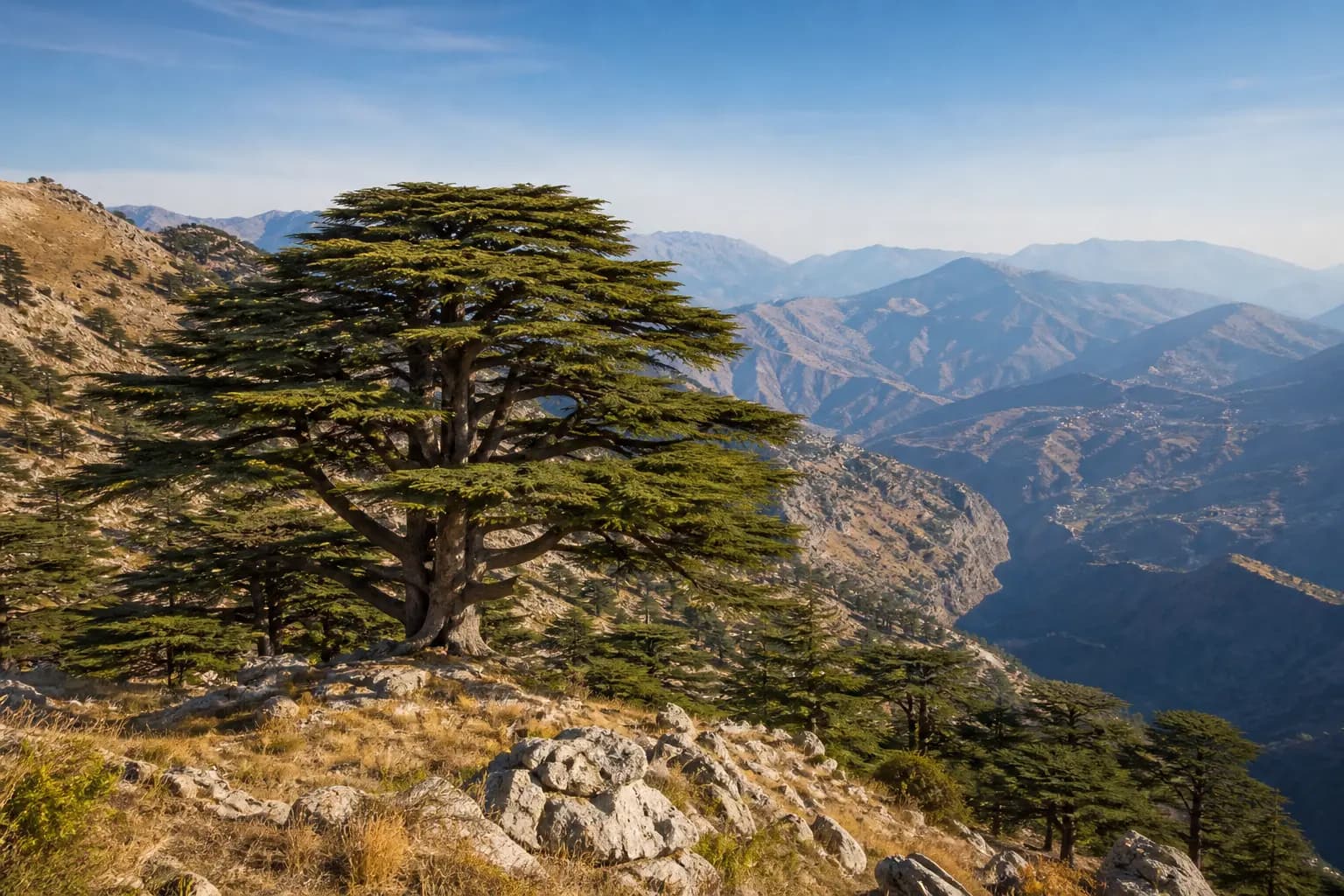
Lebanon lies on the eastern Mediterranean, bordered by Syria and Israel. Beirut is the capital and largest city, Arabic is the official language, and English and French are widely used in tourism and urban life.
For archaeology, distinguish a large temple visit at Baalbek from Byblos’s multi-period site and Tyre’s separate archaeological areas. Allow time for a museum or guide to explain what you are looking at rather than collecting several ruins in a day.
For walking, choose the landscape and difficulty first: a cedar grove visit, a village walk and a Qadisha Valley trail have different demands. For coastal time, decide whether you want a historic harbour, an organised beach facility or swimming access; a coastal address alone promises none of those.
Use these themes to build a route within current official advice. Short distances offer variety, but weather, access and driving time determine which combinations are sensible.
Beirut and historic ports line a narrow coastal plain. The Mount Lebanon range rises sharply behind it, before the land drops into the broad Bekaa Valley and climbs again towards the Anti-Lebanon range.
These height differences explain why one day can move from a warm coast to much cooler mountain air. In winter, snow can cover high ground while Beirut remains mild.
The colour fields show the approximate landscape zones from the Mediterranean in the west to the Anti-Lebanon range in the east, not administrative boundaries. Map outline: Natural Earth
The coast has hot, dry summers and mild, wetter winters. Temperatures fall with altitude, and the mountains can receive substantial snow while Beirut remains comparatively mild.
Spring and autumn often suit city visits, archaeology and walking; summer is busiest on the coast, and winter brings mountain activities where conditions allow.
A useful season for cities, archaeology and greener landscapes; the mountains can remain cool.
Coastal life and swimming come to the fore, while cities and inland areas can be hot at midday.
Often comfortable for itineraries combining cities, food, history and nature.
Milder and wetter on the coast, with snow and winter conditions in the high mountains.
The people later called Phoenicians were organised around coastal cities including Byblos, Sidon and Tyre. Their sailors and merchants built networks across the Mediterranean, trading with Cyprus, North Africa and farther west.
Phoenician settlers founded colonies, among them Carthage in present-day Tunisia, which later became the most powerful western Phoenician city. The Phoenician consonantal alphabet was adapted by the Greeks and became an important ancestor of later Mediterranean writing systems.
Byblos, Sidon and Tyre were major port and trading cities.
Sea routes connected the Levant with North Africa and southern Europe.
A writing system spread through trade and became historically influential.
After the Phoenician era, the territory of modern Lebanon continued to be shaped by new empires, religions and trade routes. Roman temples, Byzantine churches, medieval fortifications, Mamluk mosques and souks, and later Ottoman buildings all survive in different places.
Baalbek contains some of the world's most imposing Roman temple remains. Byblos presents several civilisations on one site, Tripoli is especially rich in Mamluk architecture, and Beirut brings archaeology, museums and older districts into the modern capital.
Temples, city plans and archaeological remains shape several visitor sites.
Churches and religious traditions left a clear mark on the landscape.
Fortresses, souks and religious buildings reflect changing centres of power.
Tripoli in particular preserves strong environments from this period.
Several centuries shaped administration, trade and the built environment.
Trade and growing cities connected the coast more closely with the wider world.
Lebanon cedar was valued in antiquity for large, durable timber and became connected with maritime trade, royal building projects, literature and religious traditions. A green cedar now stands at the centre of Lebanon's flag.
Cedars of God above Bsharri is the best-known grove and forms part of a UNESCO World Heritage property with Qadisha Valley. Important protected cedar landscapes also exist in the Shouf Biosphere Reserve and Tannourine Cedar Forest Nature Reserve.
The best-known grove of old Lebanon cedars above Bsharri.
A deep valley of monasteries, paths and dramatic mountain slopes.
Two other protected mountain areas with important Lebanon cedar forests.
Modern Lebanon emerged from the end of Ottoman rule and the French Mandate, becoming independent in 1943. Its recent history includes rapid cultural and economic change, civil war from 1975 to 1990, reconstruction and continuing political and economic pressures.
A travel guide cannot reduce that history to a few dates, but understanding it helps explain the contrasts visible in Beirut and across the country today.
Several Ottoman centuries ended after the First World War.
The modern state took shape during the mandate period.
Lebanon became an independent republic.
The war affected the country and its cities for fifteen years.
Beirut and other parts of the country were rebuilt and transformed.
Culture, restaurants and commerce continue alongside traces of earlier periods.
Lebanese communities around the world maintain family, business and cultural links with the country. Return visits and multilingual households are part of everyday life.
Arabic is official, while English and French are widely used. Visitors commonly hear speakers move between two or three languages in a single conversation.
Lebanese communities across several continents maintain close ties with the country.
Arabic, English and French are often heard side by side.
Global connections are visible in everyday life, culture, business and food.
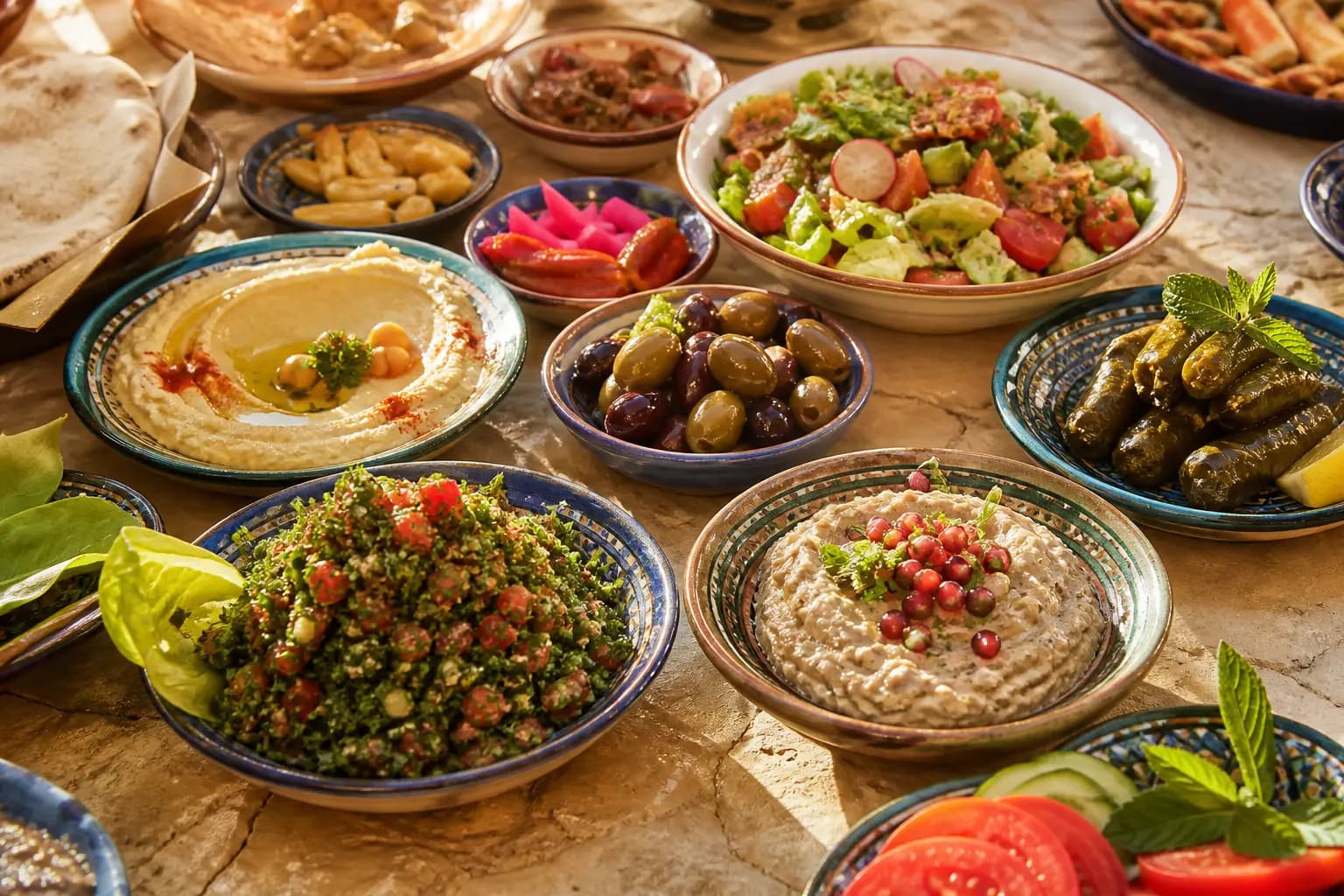
Mezze means ordering several dishes for the table. Hummus, moutabbal, tabbouleh, fattoush, labneh and stuffed vine leaves can begin a meal before grilled meat or fish. Start with a few plates and add more after checking portions; a mezze order can already be a substantial meal.
For breakfast or a quick lunch, manakish with zaatar or cheese is a familiar choice. Bakery stops and simple sandwiches offer a different pace from a long restaurant meal. Knafeh and baklava are well-known sweets, with different towns offering their own preparations and specialities.
Many mezze dishes suit vegetarians, but a vegetable dish is not automatically vegan. Ask about yoghurt, cheese, butter, meat fillings and stock. For allergies, check ingredients and cross-contact directly: sesame in tahini, nuts, dairy and wheat appear in many dishes. A translated allergy note can help with the conversation.
Wine from the Bekaa Valley and arak are part of Lebanese food culture, though availability and customs vary by venue and area. Arrange a driver if drinking is part of the meal. For fish sold by weight or a set menu, establish the price and inclusions before ordering.
Coffee, conversation and shared food often shape a visit. Greet people before getting down to an arrangement, allow time for introductions and follow your host’s lead about seating, shoes and the pace of a meal.
Expect variation between households and neighbourhoods. Ask before photographing people, check how a place of worship receives visitors and avoid assuming that one area’s dress or drinking customs apply everywhere.
Arabic place names and their English or French spellings can differ. A map pin and the local name are useful when discussing a meeting point, especially outside the busiest visitor areas.
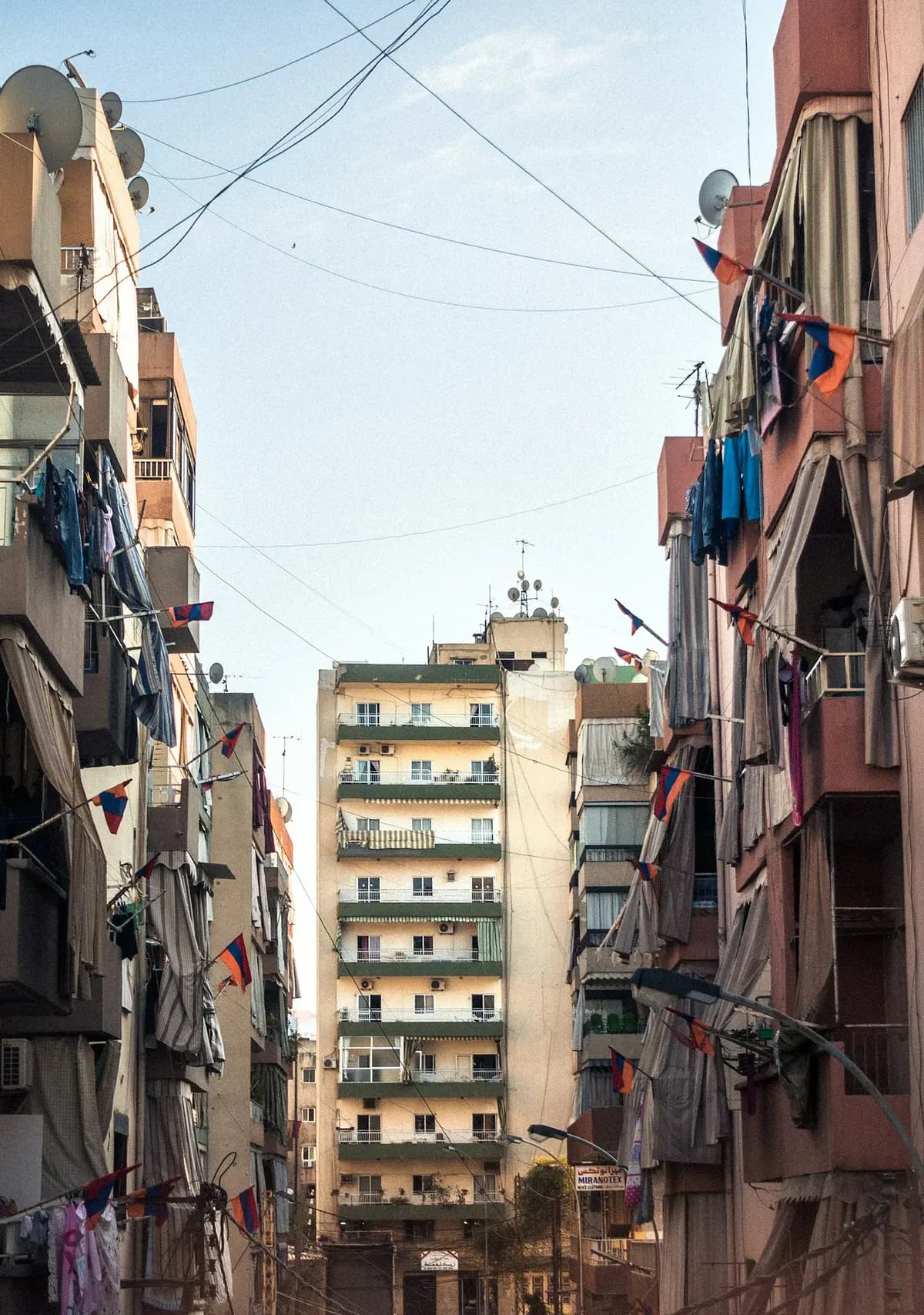
Beirut combines neighbourhood cafés, restaurants, galleries, music and nightlife with the Corniche and the Mediterranean. The atmosphere changes markedly between Hamra, Achrafieh, Gemmayze, Mar Mikhael, Downtown and Raouche.
Coastal life extends beyond the capital to Jounieh, Byblos, Batroun, Tripoli, Sidon and Tyre, each with a different mix of history, swimming and evening life.
Late dinners, bars, clubs, concerts and a broad restaurant scene.
Beach clubs, swimming and evening life in Batroun and other coastal destinations.
Older settings and contemporary Mediterranean life often sit close together.
Lebanon is home to Muslim and Christian communities with different traditions and calendars. Mosques, churches and religious shrines are prominent in cities and villages.
Ramadan, Easter, Christmas and other religious holidays can affect traffic, opening hours and the rhythm of a neighbourhood. Dress considerately and follow local instructions at places of worship.
Several Muslim and Christian denominations, Druze communities and other groups.
Follow local instructions and choose respectful clothing.
The calendar can affect traffic, opening hours and local daily life.
Lebanon is a parliamentary republic with political offices and representation shaped by a confessional power-sharing system. This reflects the country’s religious diversity but is also central to many of its political debates.
Visitors should use current official sources for elections, institutions and public conditions rather than relying on a static travel summary.
Head of state elected by parliament.
Exercises executive power and requires parliamentary confidence.
128 elected members with confessionally allocated seats.
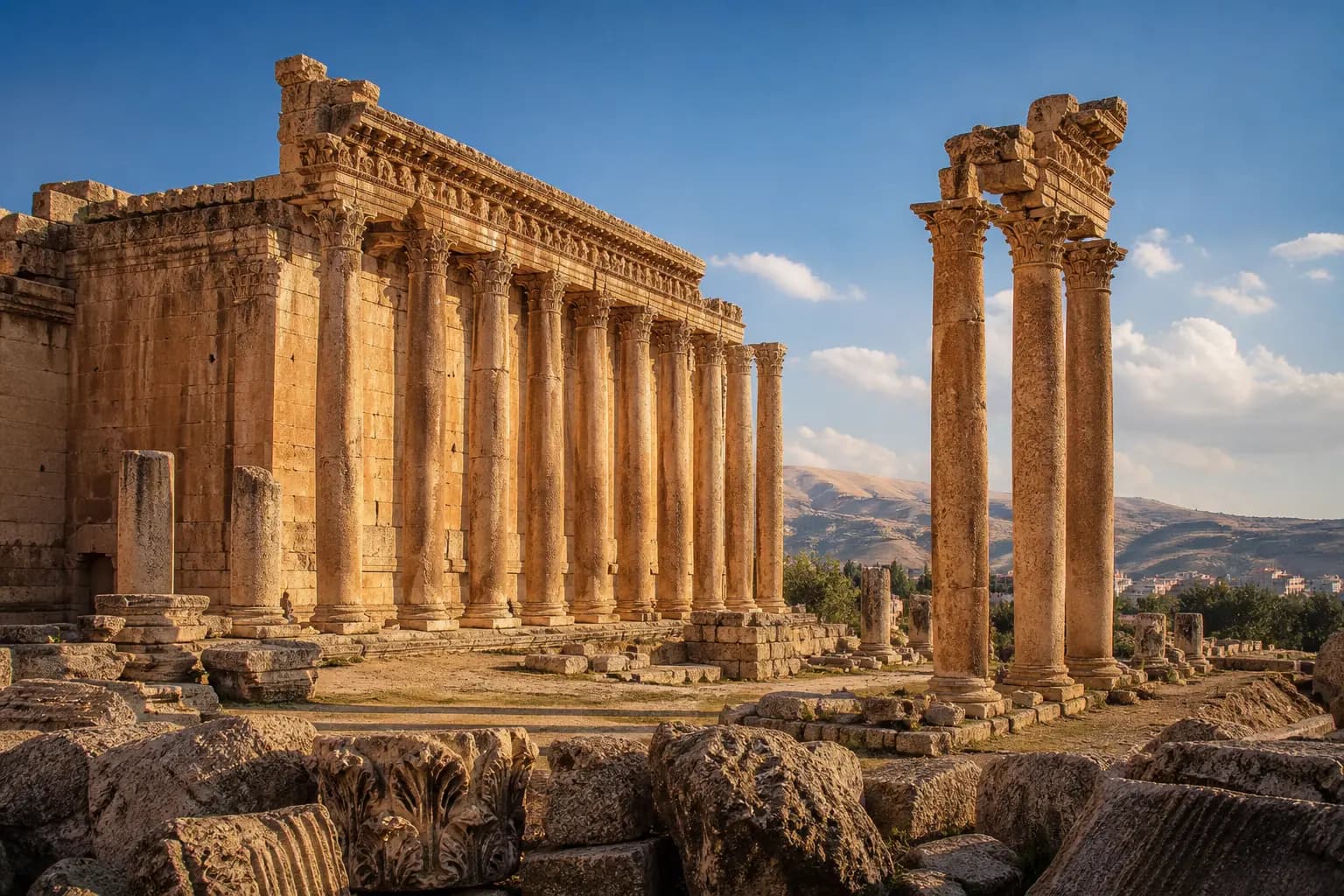
Lebanon’s World Heritage places include Anjar, Baalbek, Byblos, Tyre, Qadisha Valley and the Forest of the Cedars of God. Tripoli’s Rachid Karami International Fair also appears on the list, adding modern architecture to the country’s better-known ancient and religious heritage.
A World Heritage listing explains significance; it does not establish current opening or unrestricted access. Read the guide for the individual place and confirm conditions before planning a journey, particularly where the wider area is covered by official travel warnings.
A traveller can move from the coast to high mountains or the Bekaa Valley in one day, but traffic and winding roads make pace more important than kilometres.
Choose a small number of compatible stops and use regional bases when they improve the journey.
Coast, ports and swimming.
Neighbourhoods, museums and restaurants.
Villages, cedars and cooler air.
Agriculture and historic landscapes.
For changing travel conditions, use the official advice issued by your own government. For heritage, consult UNESCO and the responsible Lebanese authorities; use destination guides here for trip planning rather than as a substitute for current official notices.