
CountryLebanon
Ancient harbour town
Byblos (Jbeil)
Also known as Jbeil
Byblos, also called Jbeil, is one of Lebanon's easiest places to combine archaeology with a town visit. The castle, excavated site, old souk and fishing harbour sit close together; allow a full day if you want history, lunch and time by the sea.
Overview
Quick facts
RegionMount Lebanon
Local nameJbeil
Best forHistory, harbour and coast
Byblos (Jbeil)
What would you like to discover?
The city and its character
About Byblos (Jbeil)
Byblos is a UNESCO World Heritage site with layers of settlement reaching back to the Neolithic period. Its importance is also tied to Phoenician trade and the spread of the alphabet. The medieval castle is the most visible landmark, but it represents only one chapter of the archaeological site.
Outside the excavations, the old town continues through stone lanes towards the harbour. Separate the paid heritage visit from the time you want for streets, shops and a meal; otherwise it is easy to spend the day around the site without actually exploring it.
A practical day in Byblos
Visit the archaeological site and castle first if opening and weather permit, allowing roughly two to three hours as a planning estimate. Look across the excavated remains as well as climbing the castle: a guide or site interpretation can help distinguish structures from different periods.
After lunch, explore the old souk and continue down to the fishing harbour. Leave time to return uphill to your pick-up point. If archaeology is your priority, keep the day focused on Byblos rather than adding multiple towns along the coast.
Day trip, overnight stay or coastal base
A full day from Beirut covers the main historic area. One night gives you an evening by the harbour and an earlier start before another coastal journey. Two nights make sense if you want a separate beach day, but check the location of your chosen bathing venue.
Spring and autumn are useful seasons for outdoor ruins and town walks. In summer, bring shade and water and put the exposed archaeology before a long lunch. Winter visits need a flexible plan for rain and current site access.
Stone paths, castle stairs and family visits
The castle involves stairs, while the wider site has uneven surfaces and exposed areas. A pushchair may work better for some town streets than for the ruins; ask the site directly about a route suitable for your mobility needs.
With children, split the archaeology into a few memorable stops and leave time for a snack before continuing to the harbour. Supervise near walls, steps and the water. The harbour is for views and boats; choose a separate beach for swimming.
Find the right area
Areas to know
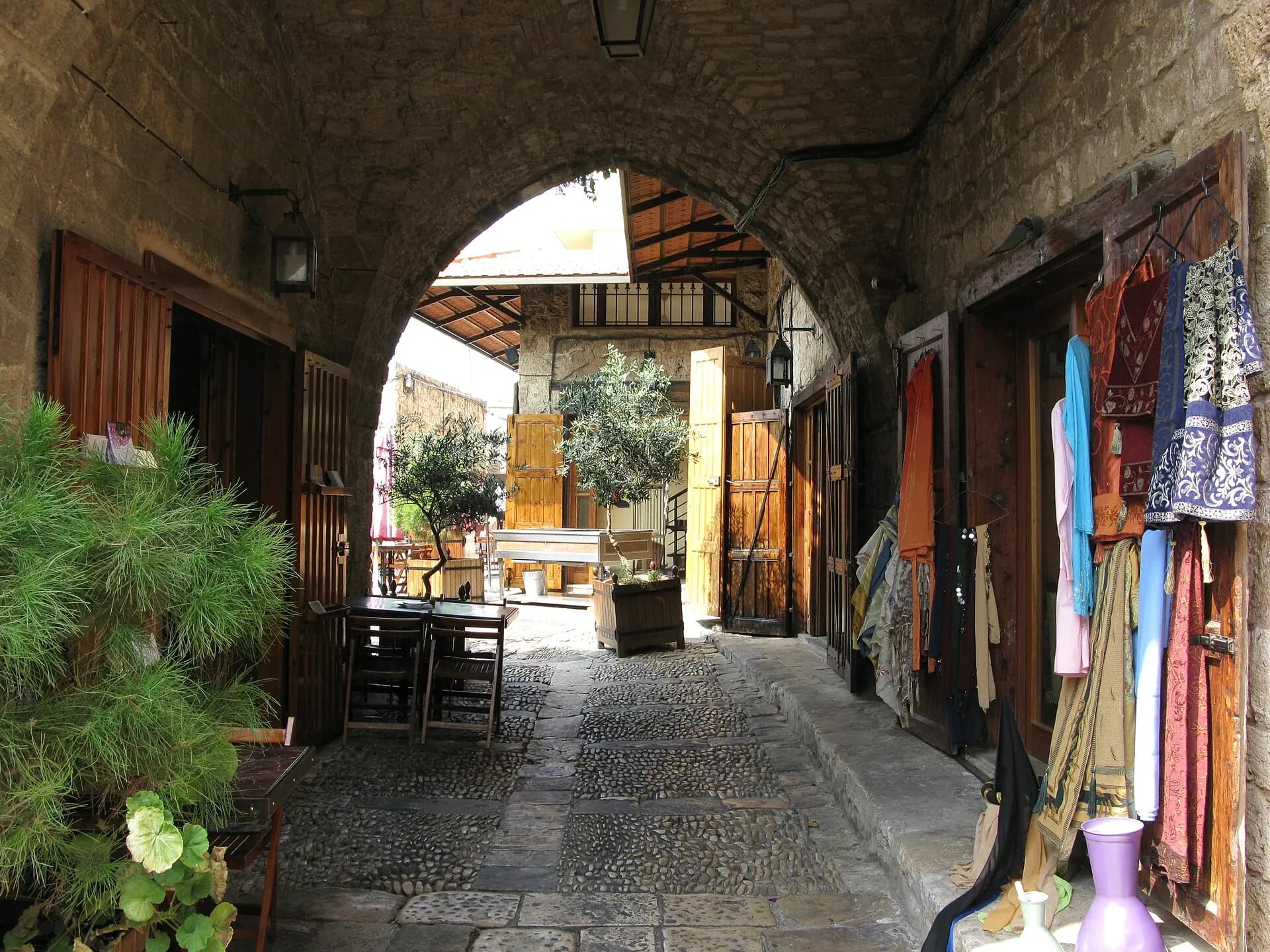
Old town
Stone lanes, shops and restaurants beside the archaeological site.
Best for: history and walking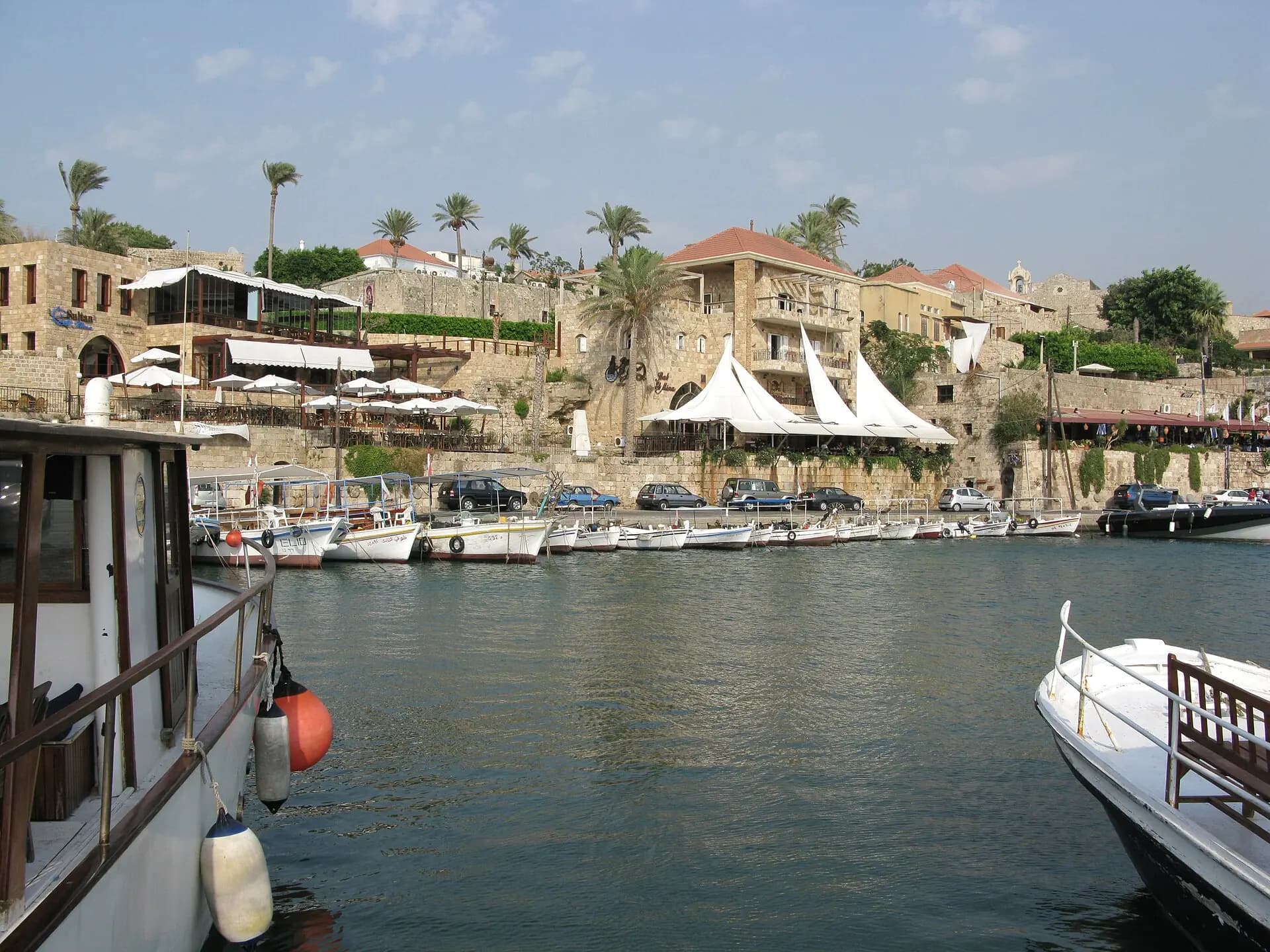
Old harbour
A small historic harbour with fishing boats and restaurants nearby.
Best for: views and dinnerWhat to experience
Attractions
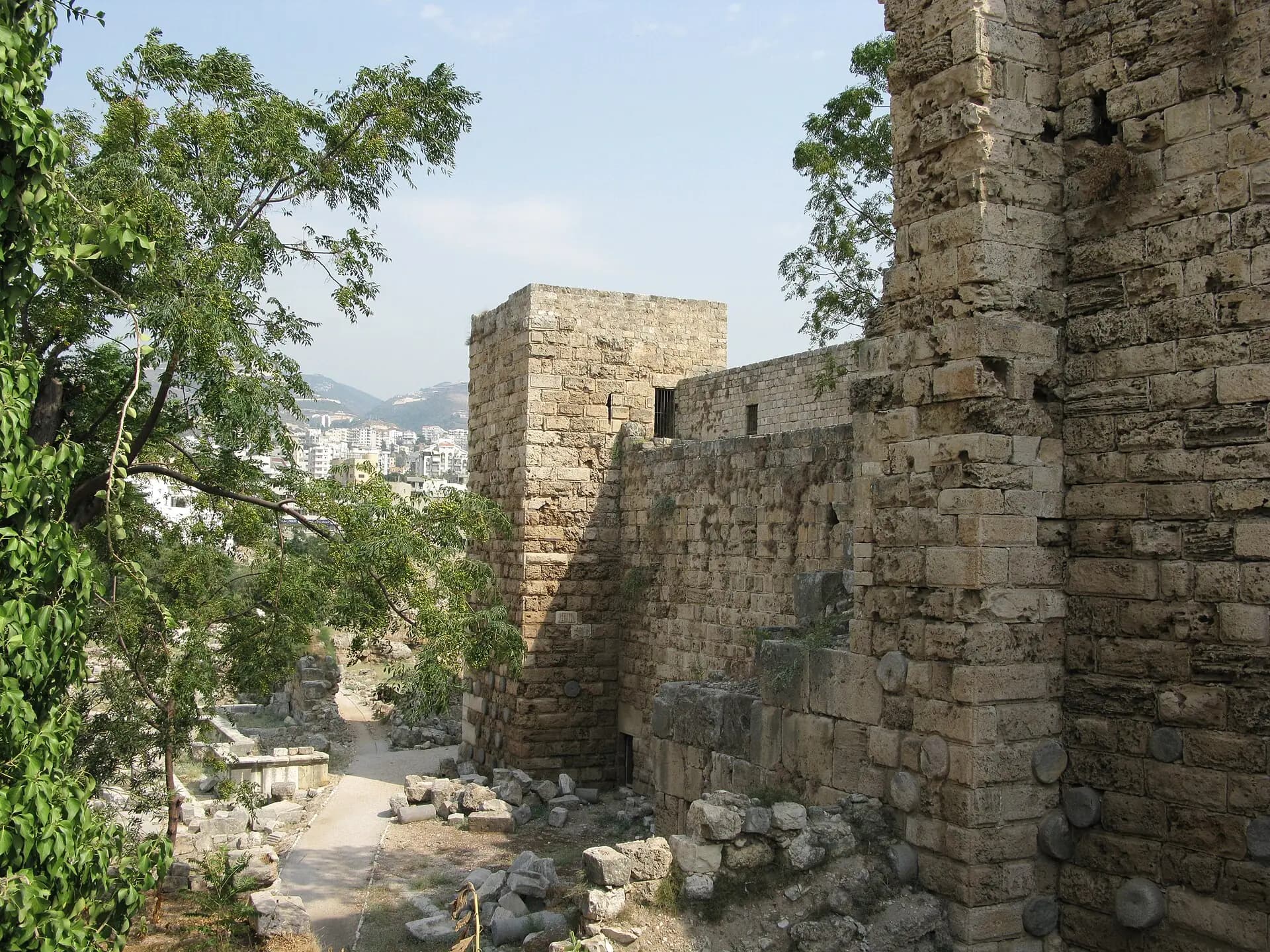
Byblos archaeological site
Explore the castle and surrounding remains as one visit. The site spans several periods, so allow time to understand the layout rather than stopping only for a castle photograph.
Read the Byblos archaeological site guideOld harbour
Fishing boats, stone buildings and water-level views give a change of pace after the ruins. The walk down to the harbour means a climb back to parts of the town.
Old town lanes
Walk the old souk at your own pace, with time for stone architecture, small shops and a meal. Business opening and evening activity vary by season.
Flavours
Food & restaurants
The harbour is an appealing setting for a seafood meal, while the old town gives more choice for mezze, grilled dishes, cafés and a quick bite. Compare menus and ask the basis of fish pricing before ordering. A long restaurant stop and a thorough archaeology visit deserve most of a day between them.
Practical information
Getting around
From Beirut, a pre-booked return transfer is straightforward when travel advice permits. If using a hire car, identify parking outside the tight historic lanes. For any bus option, verify the current service and the walk or onward transfer between the drop-off and old town.
Once in the historic centre, visit the castle, souk and harbour on foot where mobility allows. Confirm a clear pick-up point outside narrow lanes. Batroun lies further north along the coast, but adding it still requires time for parking, sightseeing and the return journey.
Read the full transport guideWhere to stay
Where should you stay?
Old town
Walkable and atmospheric, but busier at weekends.
- Best for
- a short car-free stay
- Strengths
- close to archaeology, harbour and restaurants
Outside the centre
You may need a taxi or car; check parking and access.
- Best for
- a longer stay
- Strengths
- more peaceful surroundings
Before your trip
Good to know
Byblos or Jbeil?
Both names refer to the same city. Save your hotel and meeting point as a map pin because names can have different English spellings.
Avoid the castle-only visit
The castle stands within a much older archaeological landscape. Reserve time for the excavations and interpretation, then explore the town and harbour separately.
Opening and admission
Confirm the archaeological site’s current entry arrangements and which areas can be visited. A town restaurant being open does not mean the heritage site is open.
Beach accommodation
Check the distance and terrain between your hotel, the old town and the water. A coastal address may still need a car or taxi for sightseeing.
Read more about Beach accommodationOfficial travel advice
Read the current government advice and regional map before booking. Check the entire route as well as the destination, and review advice again before departure.
Foreign, Commonwealth & Development Office ↗Keep exploring
More destinations you may like
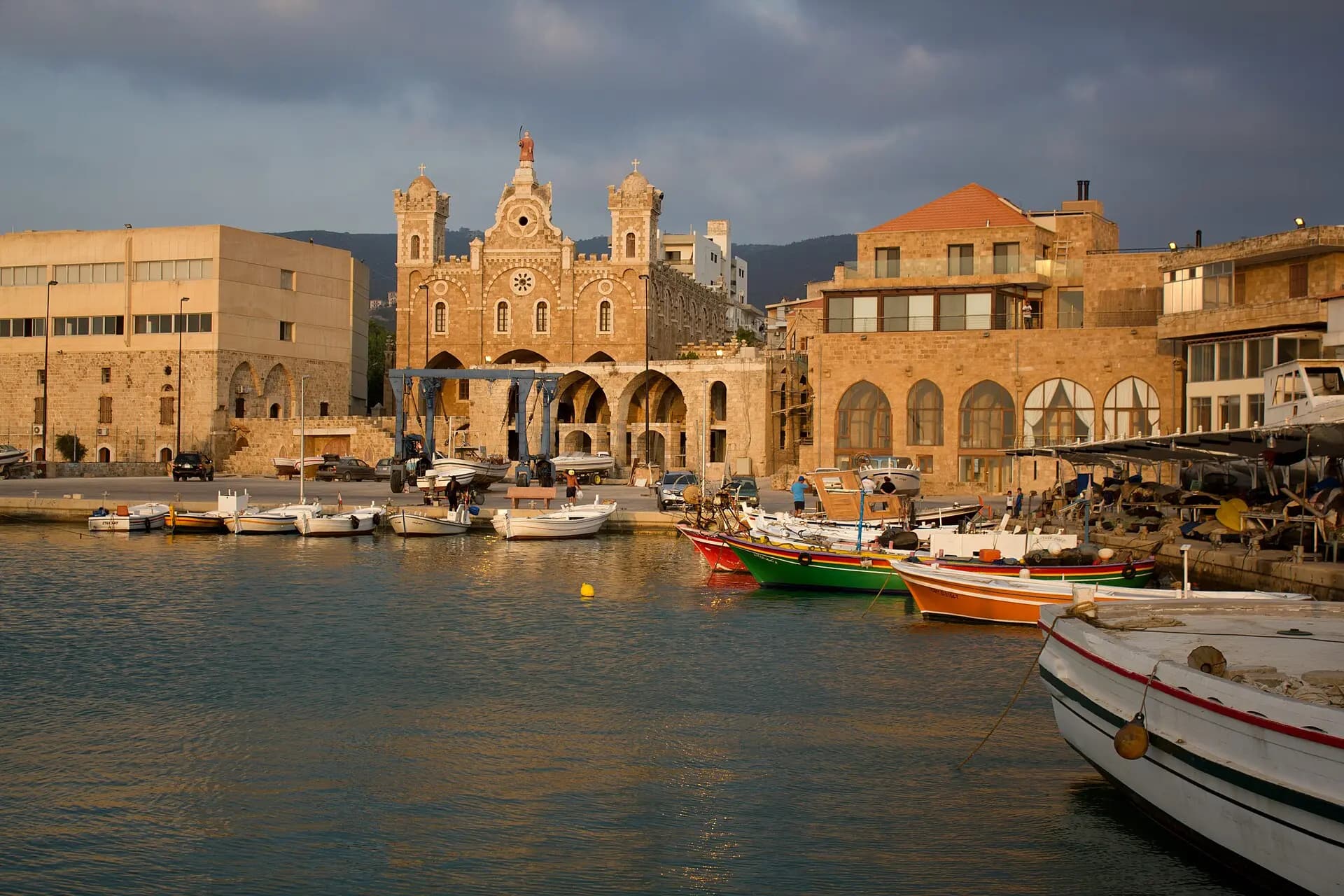
Batroun
Historic coastal town with old lanes, swimming places, restaurants and a lively summer scene.
Read the Batroun guide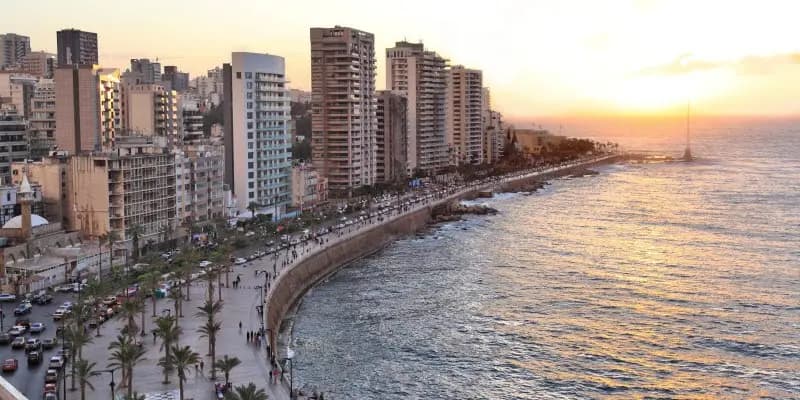
Beirut
A Mediterranean capital of museums, waterfront walks, restaurants and neighbourhoods with distinct personalities.
Read the Beirut guide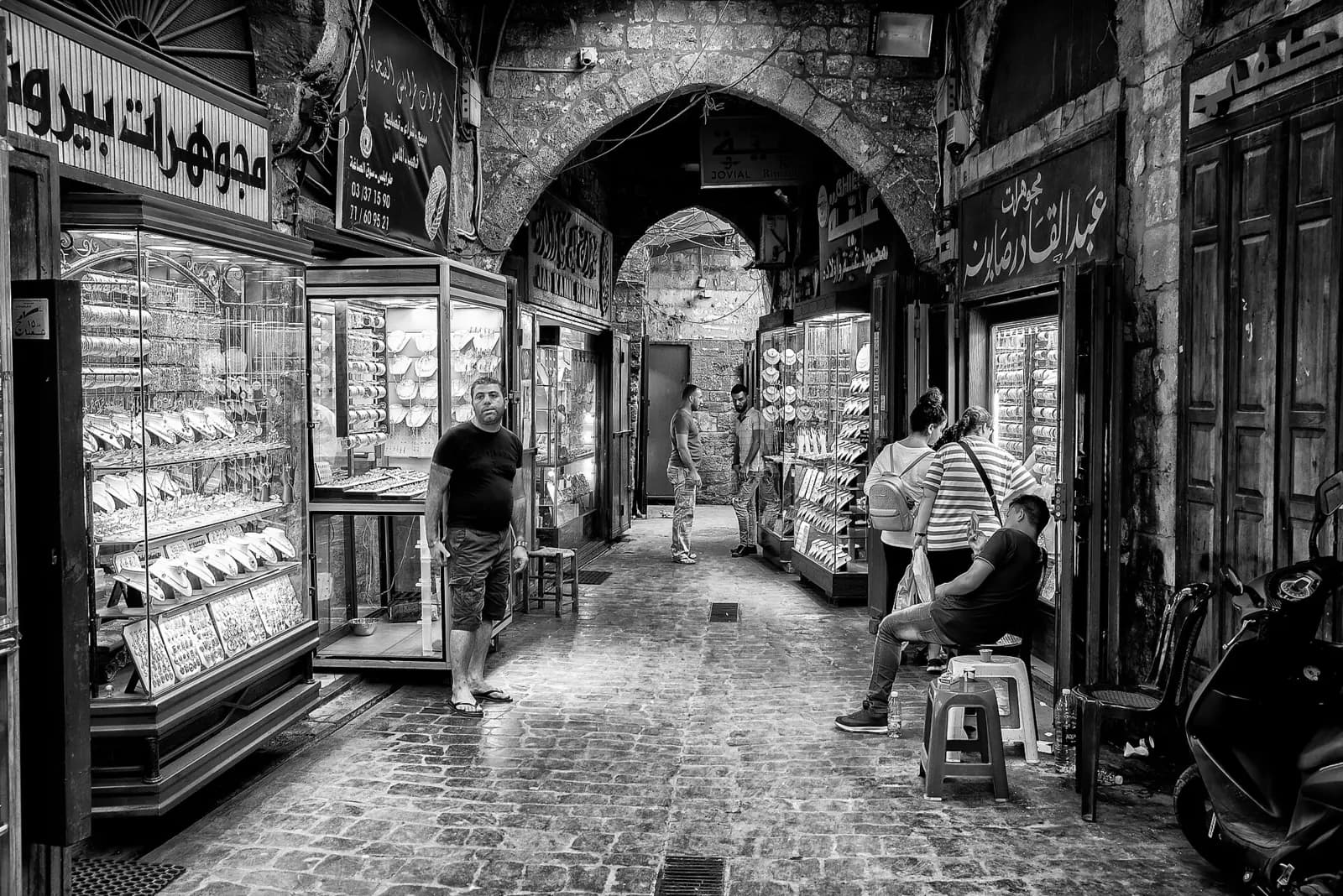
Tripoli
Working souks, Mamluk architecture, celebrated sweets and the coastal district of El Mina.
Read the Tripoli guideFrequently asked questions about Byblos (Jbeil)
Are Byblos and Jbeil the same place?
Yes. Jbeil is the local name for the city widely known internationally as Byblos. Both names appear in accommodation listings and maps.
How long should I spend in Byblos?
A full day gives time for the archaeological site, castle, old town, harbour and a meal. As a planning estimate, reserve two to three hours for the heritage site itself; stay overnight for a less hurried evening.
Is Byblos Castle the whole archaeological site?
No. The medieval castle is part of a larger landscape with remains from several historical periods. Plan to explore the surrounding site as well as the castle.
Can I walk around Byblos?
The main historic sights are close together, but uneven paving, castle stairs and the slope to the harbour matter for access. Accommodation and beaches outside the centre may need transport.
Is Byblos or Batroun better for my trip?
Choose Byblos when archaeology and a historic harbour are the priority. Batroun suits a stay centred more on swimming and relaxed coastal evenings. Both have old streets and places to eat, and can work as separate stops on a north-coast route.