
Practical answers
Lebanon travel FAQ
Answers to common questions about planning a trip to Lebanon. For entry, safety and other changing information, always follow the linked official source.
Plan with the right expectations
Frequently asked questions about Lebanon
Choose a category or browse all questions. Links point to fuller guides where more context is useful.
Planning your trip
When to go, entry rules, official advice and insurance.
Is Lebanon open to tourists?
Entry and local conditions can change. Check Lebanese entry requirements, the official travel advice issued by your own government and your airline before booking.
Do I need a visa to visit Lebanon?
Rules depend on nationality, passport validity, purpose of visit and travel history. Check Lebanese General Security and official guidance for your nationality.
When is the best time to visit?
Spring and autumn often suit sightseeing and walking. Summer is liveliest on the coast, while winter brings snow and seasonal activities in the mountains.
Do I need travel insurance?
Yes. Confirm the policy is valid under the official advice that applies to you and covers medical care, evacuation, cancellation and all planned activities.
How many days do I need in Lebanon?
Three full days allow a focused city stay and one excursion; a week can support a city, coast and mountain combination when conditions allow. Ten days is useful for a slower pace or one further region, with spare time for changes.
Can I follow a Lebanon road-trip itinerary now?
An itinerary is a planning example, not confirmation that a route is currently appropriate. Check your government’s advice for every destination and the roads between them, confirm insurance validity and remove any affected areas before booking.
Hotels and areas
Choosing a base in Beirut, on the coast or in the mountains.
Where should I stay in Beirut?
Choose a precise address for your plans: Hamra for western city life, Achrafieh for eastern neighbourhoods and museums, Gemmayze or Mar Mikhael for restaurants, and Raouche for the seafront. Check room position and noise rather than assuming a whole district is quiet.
Should I use one base for the whole trip?
Beirut works for several excursions, but a second base on the coast or in the mountains can reduce long returns and give a different evening atmosphere.
Is Jounieh a practical alternative to Beirut?
Yes for Harissa, Jeita and the northern coast. Choose Beirut instead when most plans are in the capital, and remember that coastal traffic can erase the apparent distance advantage.
What should I ask a hotel about power cuts?
Ask which services run on backup power, for which hours and whether there are extra charges. Confirm lifts, room cooling or heating, water pumps, Wi-Fi and any essential medical equipment separately.
Food and money
Cash, cards, currencies, water and eating out.
What currency should I take?
The Lebanese pound is the national currency and US dollars are also widely used. Carry smaller USD notes, ask which currency a price uses and keep a backup payment method.
Can I use international cards in Lebanon?
International cards are accepted by some hotels, restaurants and larger businesses, but acceptance and connectivity vary. Do not rely on one card alone.
Can I drink tap water?
Tap water is not recommended as drinking water for visitors. Sealed bottled water is readily available.
Is tipping expected?
Check whether service is already included. A modest tip is common for good restaurant, taxi and hotel service, but there is no single percentage for every setting.
Can I rely on ATMs for all my cash?
No. Withdrawal currencies, limits, fees and availability vary, and accessing US dollars locally may be difficult or costly. Arrange a cash plan before travel, with reserve funds and a second payment method.
Is Lebanese food suitable for vegetarians or vegans?
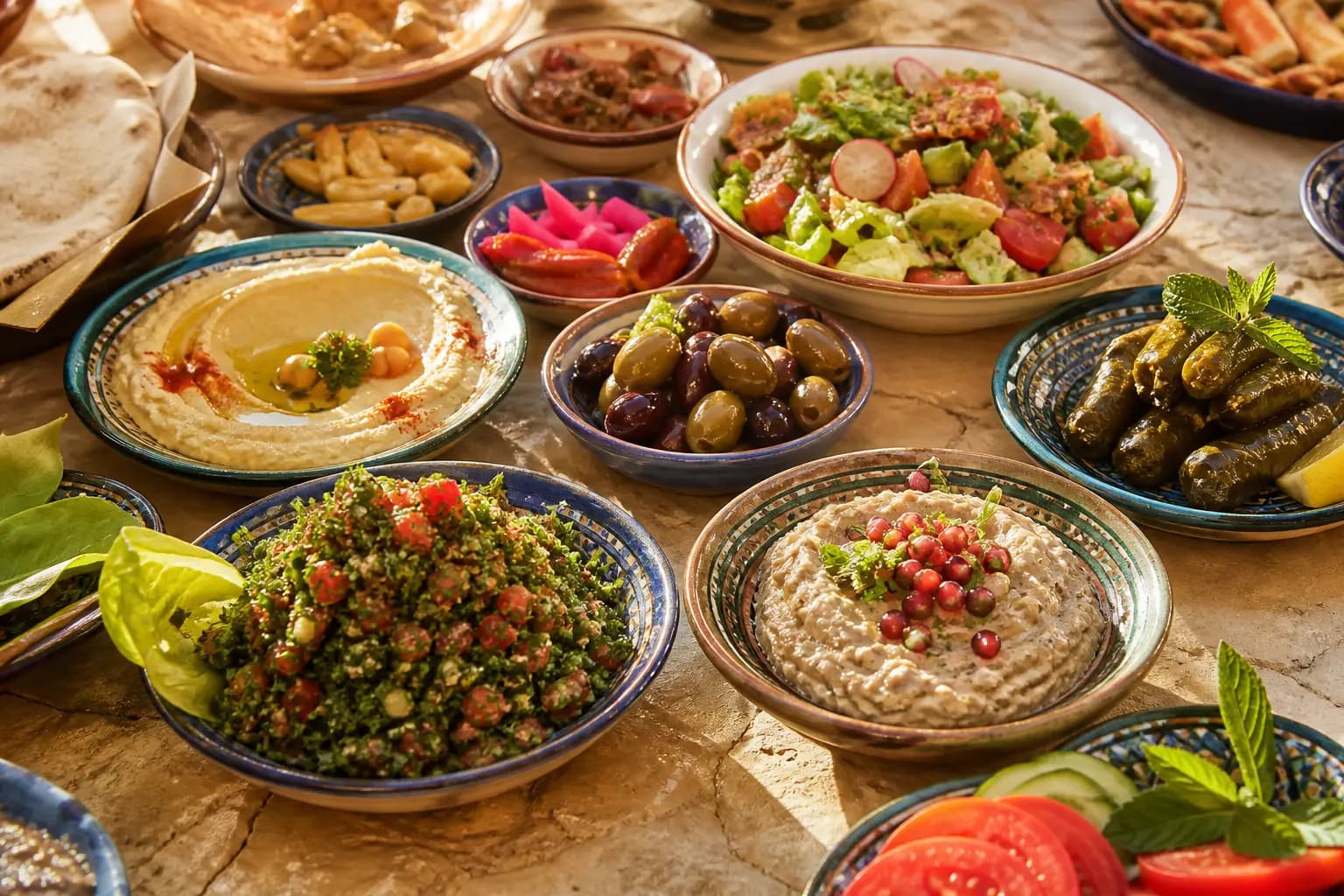
Many mezze dishes can suit a vegetarian meal. Vegan travellers should check dairy, fillings and stock, while anyone with an allergy should ask about ingredients and cross-contact. Sesame, nuts, wheat and dairy occur in familiar dishes.
Transport
Airport transfers, taxis, buses, driving and journey times.
How do I get from Beirut Airport to the city?
A pre-booked transfer or verified taxi is simplest. Confirm the meeting point, fare or pricing method and payment currency before setting off.
Can I travel around Lebanon by bus?
Buses and minibuses connect many places, but route and timetable information can be informal. They suit flexible travellers more than tightly timed day trips.
Should I hire a car?
A car gives freedom outside Beirut, but traffic and driving conventions can feel demanding. Consider an experienced local driver if you are not comfortable with dense traffic or mountain roads.
How do service taxis differ from private taxis?
A service taxi takes shared passengers along a direction or route. FCDO advises against using shared taxis. Arrange a private vehicle with a recognised company or through your accommodation.
Sights and activities
Coast, heritage, mountains, seasons and photography.
What should I see on a first trip?
Subject to current official advice, a first itinerary often combines Beirut with Byblos or Batroun and one major heritage or mountain excursion.
Can I photograph checkpoints or soldiers?
No. Do not photograph or film military personnel, checkpoints, military vehicles or security installations.
Can I fly a drone?
Do not assume permission. Check current Lebanese rules and obtain any required authorisation before bringing or flying a drone.
Can I combine the coast and mountains in one day?
Sometimes, but altitude, traffic and winding roads make a short map distance misleading. Keep the day focused and check mountain weather separately.
Is a cedar-forest visit the same as a Qadisha hike?
No. A short grove visit and a valley trail have different access points, gradients and time requirements. Choose the specific route, check current conditions and arrange a return pickup before starting a walk.
Practical information
Health, mobile data, electricity and offline preparation.
Do I need a travel adapter?
You may need one depending on your plugs and the sockets at your accommodation. A universal adapter is a practical choice.
How do mobile data and eSIM work?
Compare international roaming with a local SIM or compatible eSIM. Confirm activation and coverage directly with the provider and save details offline.
Is healthcare expensive in Lebanon?
Private care for serious illness or admission can be very expensive, and a deposit may be requested. Carry suitable insurance and the emergency assistance number.
What should I save offline?
Keep a passport copy, tickets, hotel address, insurance details, important numbers, offline maps and your own consular contacts on your phone.
Will English be enough?
English is common in hotels, restaurants and tourist areas, and French is also widely used. Fluency varies, so keep written addresses, map pins and a translation option for more complex arrangements.
Is Lebanon accessible for wheelchair users?
Access varies by building and route. Confirm the full journey, including vehicle, drop-off, entrance, lift, bathroom and attraction surfaces. Ask for measurements or recent photographs instead of relying on a general accessible label.
What should I pack for the coast and mountains?
Take comfortable shoes, sun protection and layers suited to the actual forecast. A mountain outing can need warm and waterproof clothing even when Beirut feels mild. Add documents, compatible chargers, a torch and offline contacts.
Does buying mobile data also extend my SIM’s validity?
Not necessarily. A prepaid line and its data bundle can have separate expiry dates. Ask Touch or Alfa which recharge keeps the line active for your stay, and confirm renewal and out-of-bundle charges.
For current travel advice, always check information from Foreign, Commonwealth & Development Office close to departure.