Beirut
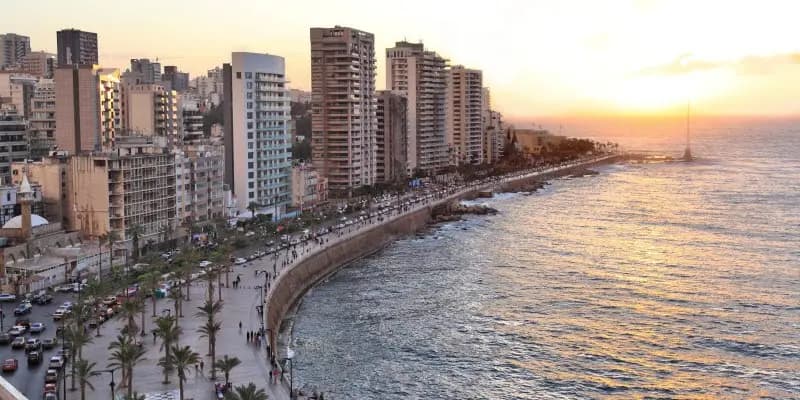
Lebanon's energetic capital, where museums, neighbourhood restaurants and Mediterranean walks sit close together.
Explore BeirutMediterranean cities, heritage and mountains
From Beirut's city life and coastal towns to ancient temples, mountain villages, Qadisha Valley and Lebanon's best-known cedar forests.
Lebanon
Choose a destination for its history, food, coast or mountain setting. The guides below explain how much time to allow, where to stay and how to connect each place with a wider trip.
Lebanon's energetic capital, where museums, neighbourhood restaurants and Mediterranean walks sit close together.
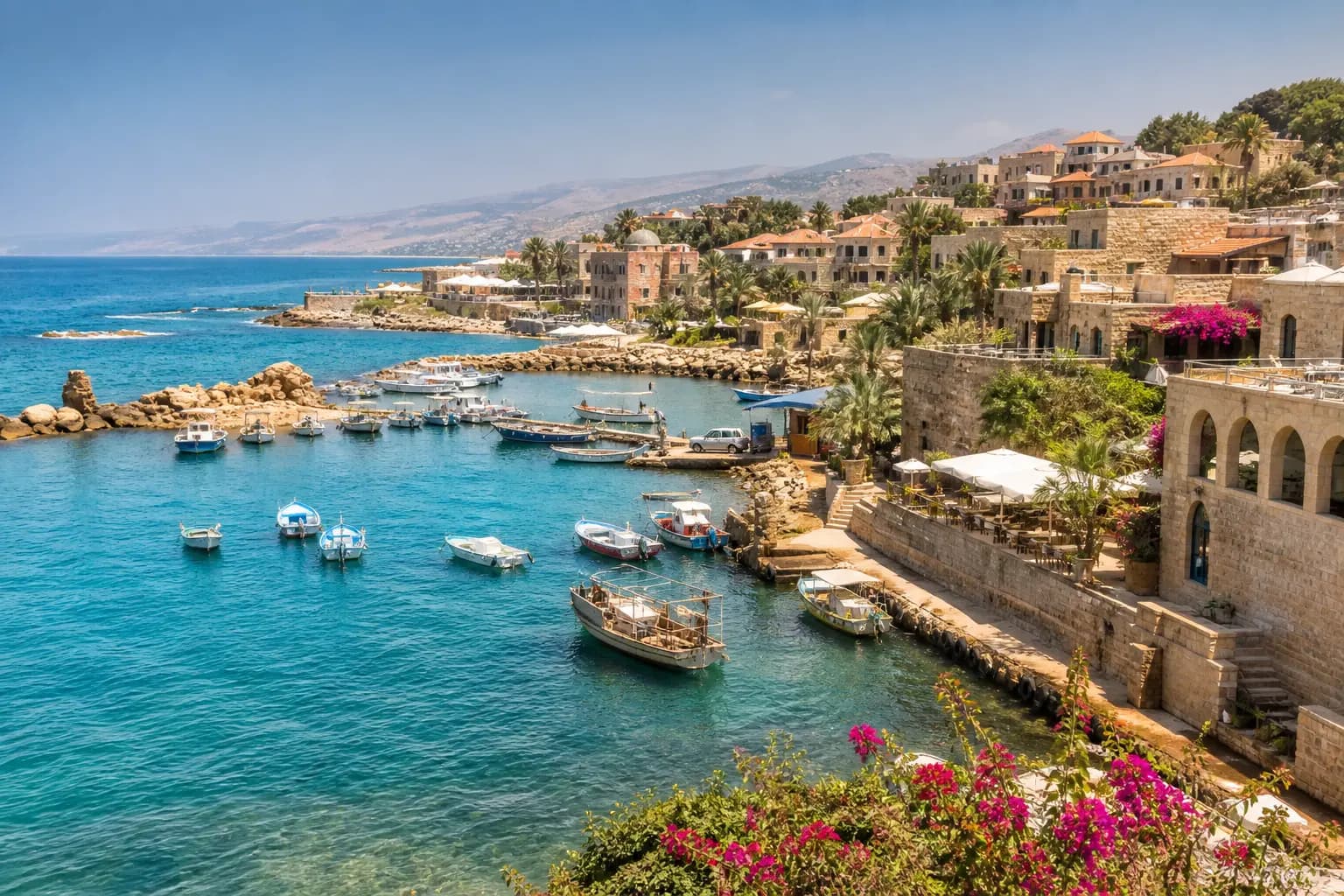
Explore BeirutA historic coastal town with swimming coves, old lanes, restaurants and a lively summer atmosphere.
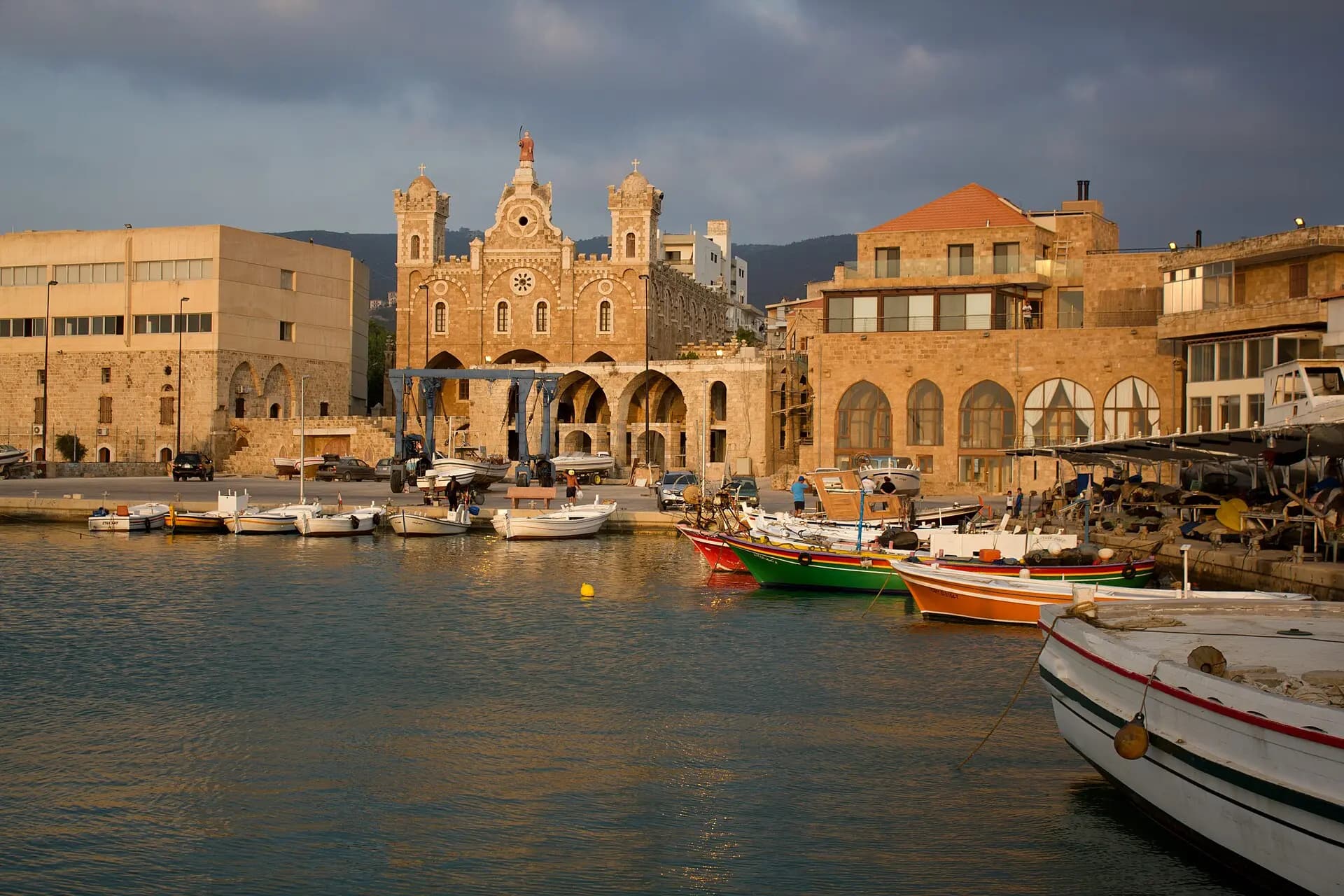
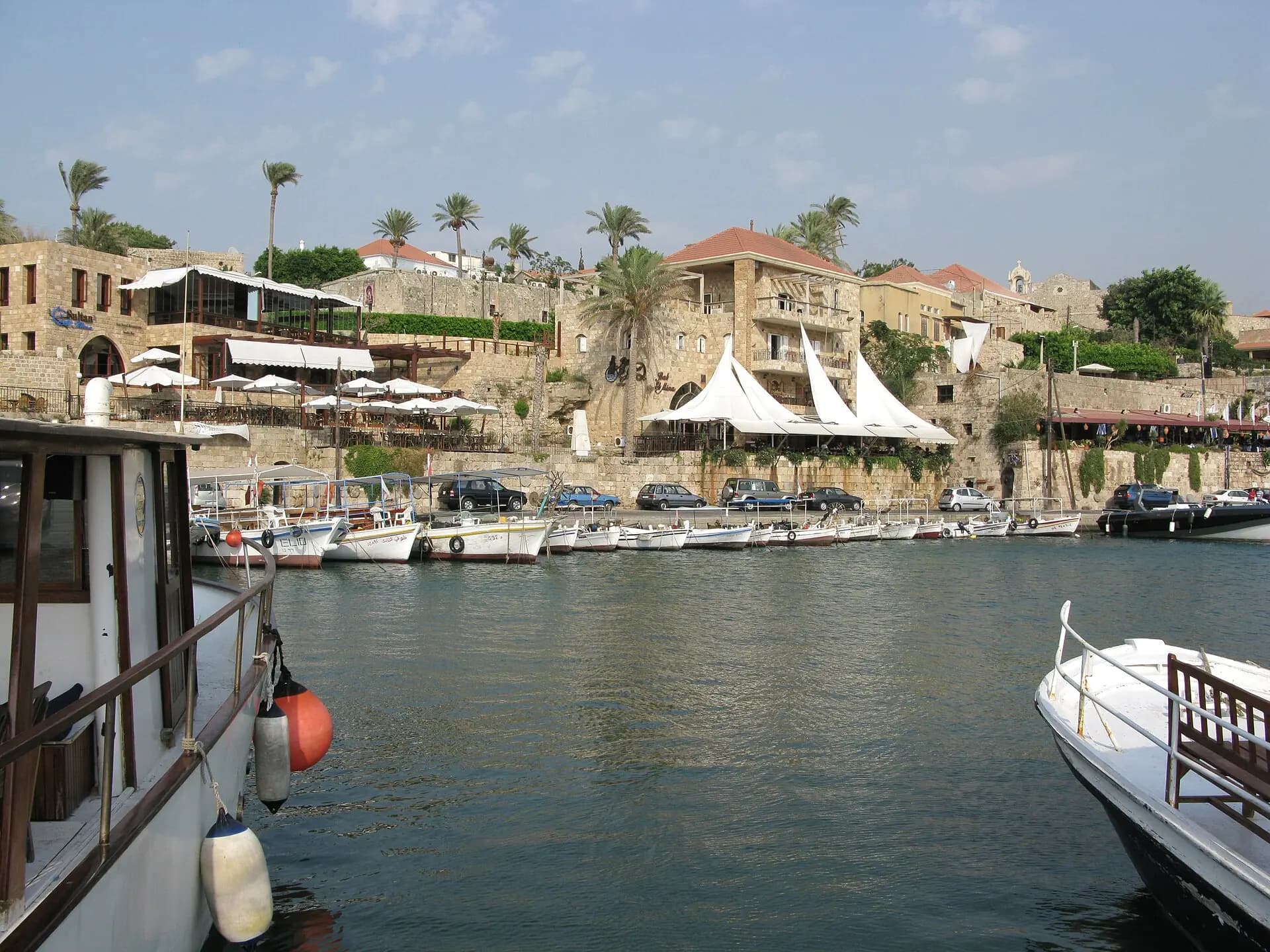
Explore BatrounA walkable coastal town where an ancient UNESCO site, stone lanes and the old harbour are all within easy reach.
Explore Byblos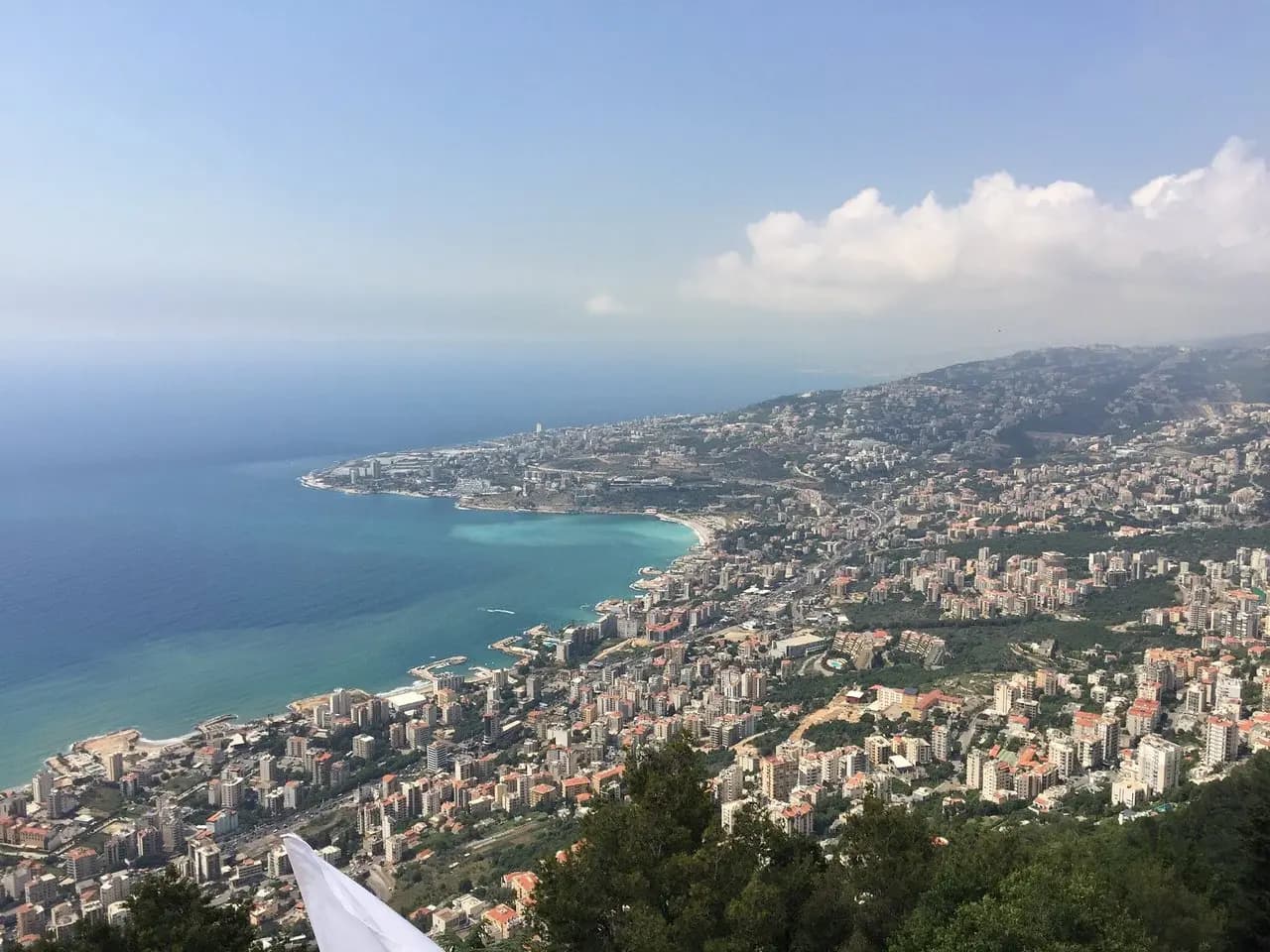
A bay-side city between the Mediterranean and steep mountain slopes, with coastal life and easy access to Harissa and Jeita.
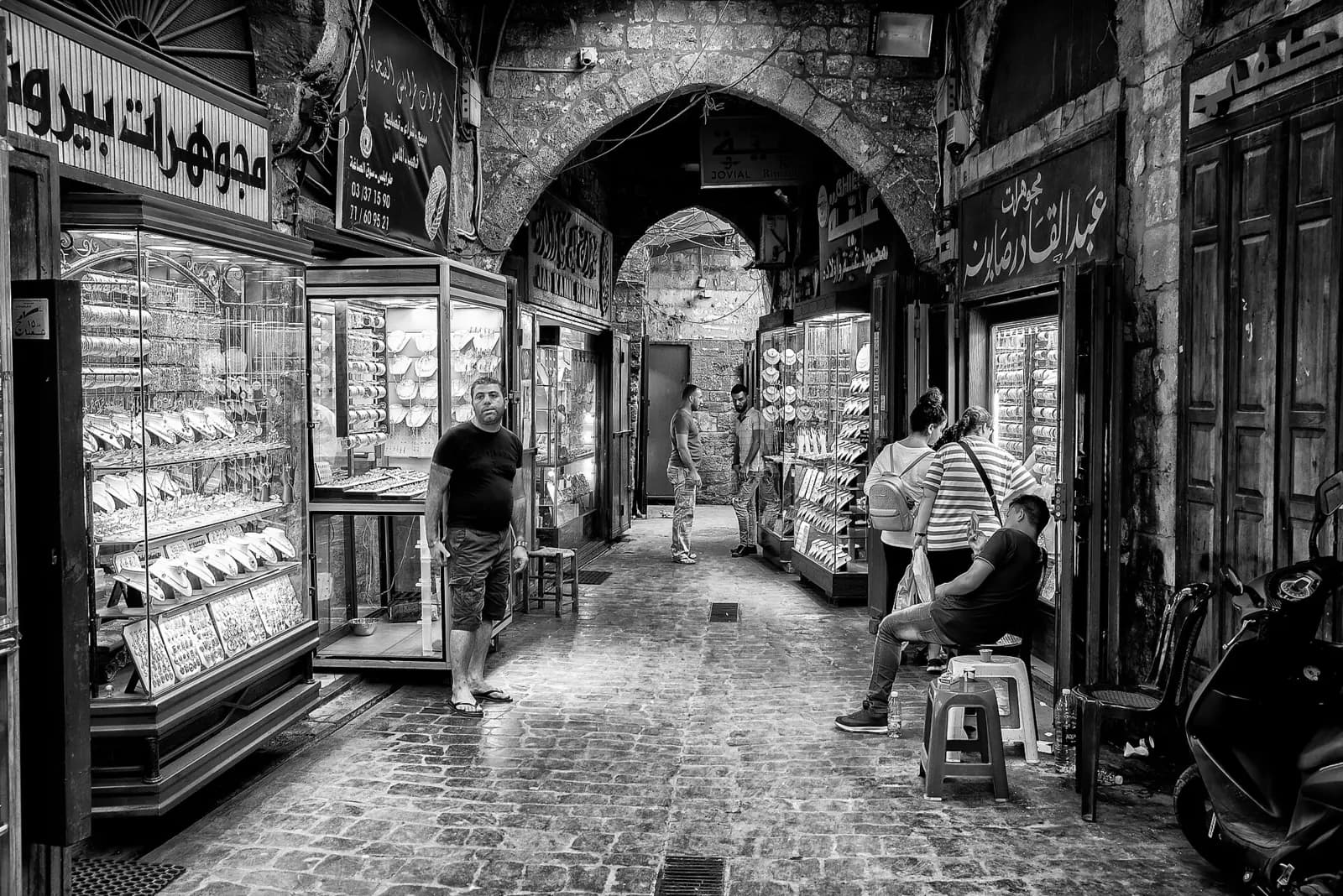
Explore JouniehHistoric souks, Mamluk architecture and distinctive northern Lebanese food make Tripoli a rewarding cultural day trip.
Explore TripoliA mountain town above Qadisha Valley, close to Cedars of God and some of northern Lebanon's most dramatic scenery.
Explore Bsharri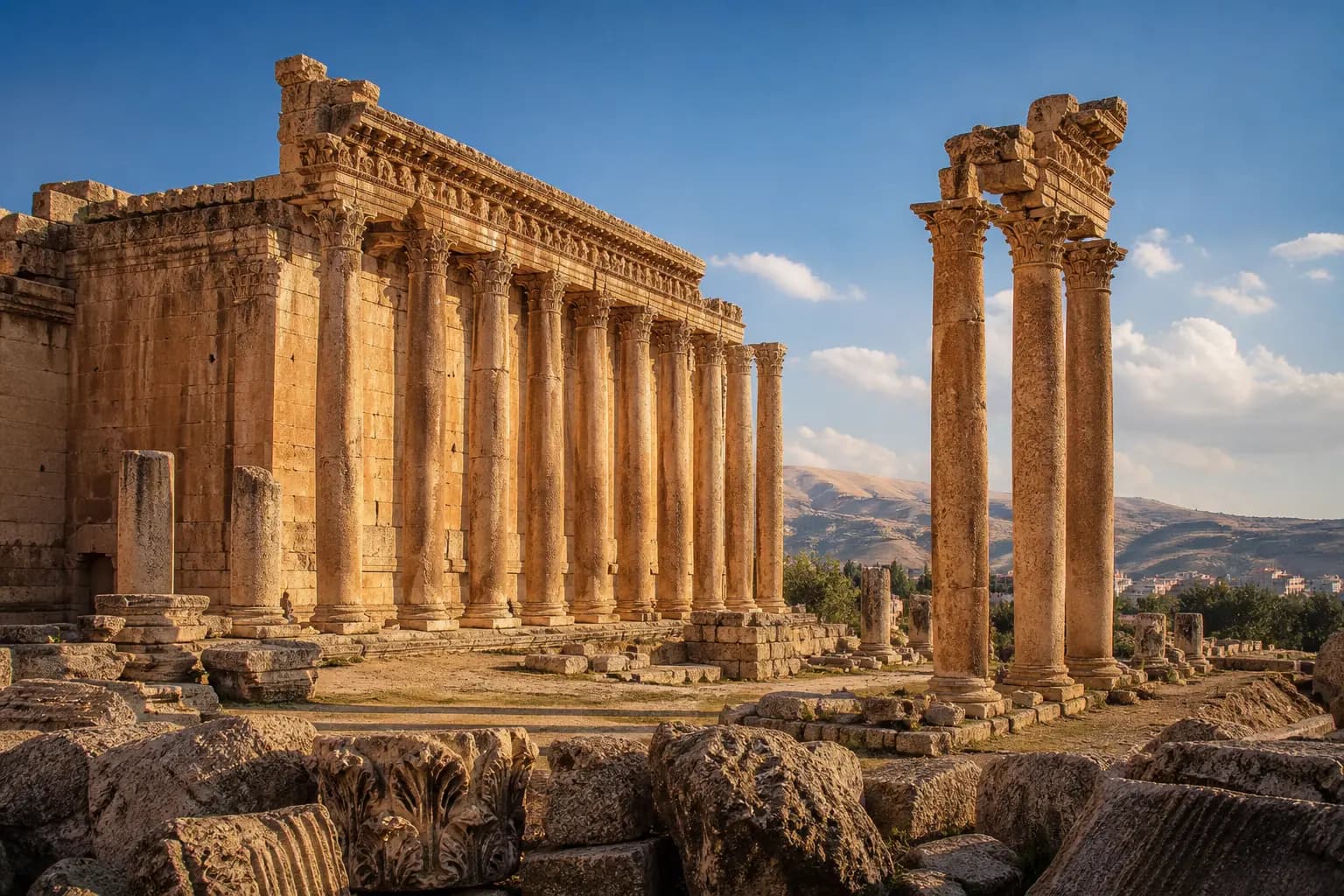
A Bekaa Valley city centred on one of the Mediterranean region's most monumental Roman temple complexes.
Explore BaalbekExplore
Compare the kind of trip you want, then use the linked guides to check practical details and appropriate regional routes.
Choose coastal towns where the sea, old streets and restaurants can be combined in one stay.
Phoenician cities, Roman temples and Mamluk streets make it easy to build a trip around different periods.
Find cooler air, walking landscapes and Lebanon's most symbolic cedar groves above the coast.
Beirut has the widest range of museums, neighbourhoods, restaurants and nightlife; Tripoli offers a different northern food and street culture.
Start with a manageable base and one nearby excursion. Only include routes supported by current official advice and confirmed local access; keep a flexible day before departure.
Choose a compact base, one main sight per half-day and transport with a suitable child seat. Check surfaces, shade and bathing facilities for your group.
Build a realistic route
Use this as a framework for a future trip when the relevant routes are appropriate under current official advice. Choose fewer bases, confirm local access and build in spare time for weather, traffic and the needs of your group.
Settle in, explore one or two neighbourhoods at a time, walk a section of the Corniche and choose museums or city sights that fit current access.
Use Jounieh as the coastal base for Harissa and Jeita Grotto. Confirm cave and cable-car operations, then leave a generous margin for traffic.
Choose one coastal town for a slower day, or combine both only with arranged transport and enough time for the archaeological site, old streets and the return journey.
If current advice and access permit, choose one region: the Bekaa for Baalbek and a selective additional stop, or the northern mountains for Bsharri, Cedars of God and Qadisha Valley. Otherwise, retain your existing base and use these days more slowly.
Return to Beirut or keep the final day flexible for a nearby sight, shopping, weather changes and the airport. Avoid placing a long mountain journey immediately before a flight.
A three- or four-day trip works better with one base and one nearby excursion. With ten to fourteen days, spend longer in chosen regions rather than adding daily transfers. This outline is not confirmation of route safety, site opening or journey times.
Explore
Use these place guides for focused advice on an individual viewpoint, museum, castle, cedar grove or temple complex.
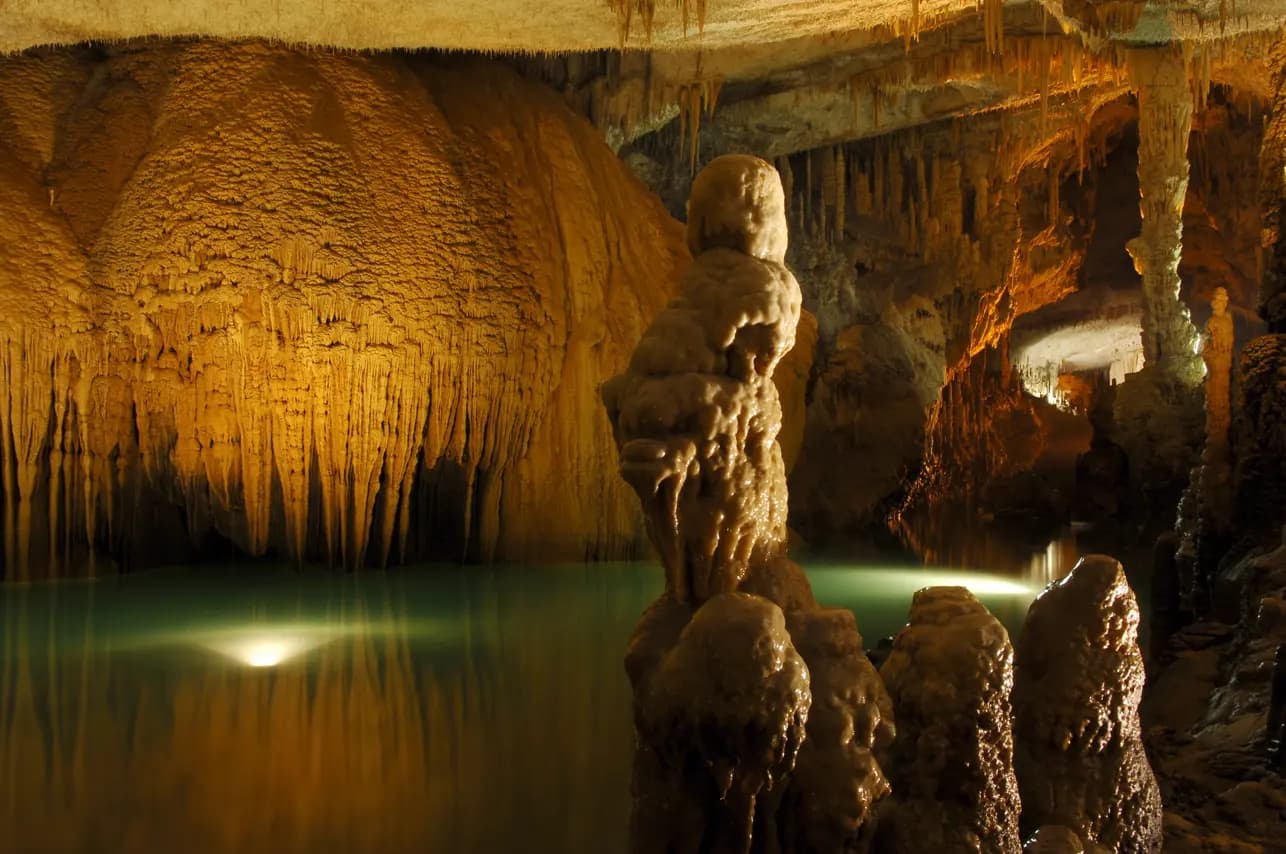 Attraction · Caves and nature
A vast limestone cave system with a walk-through upper gallery and, when conditions allow, an underground boat trip.
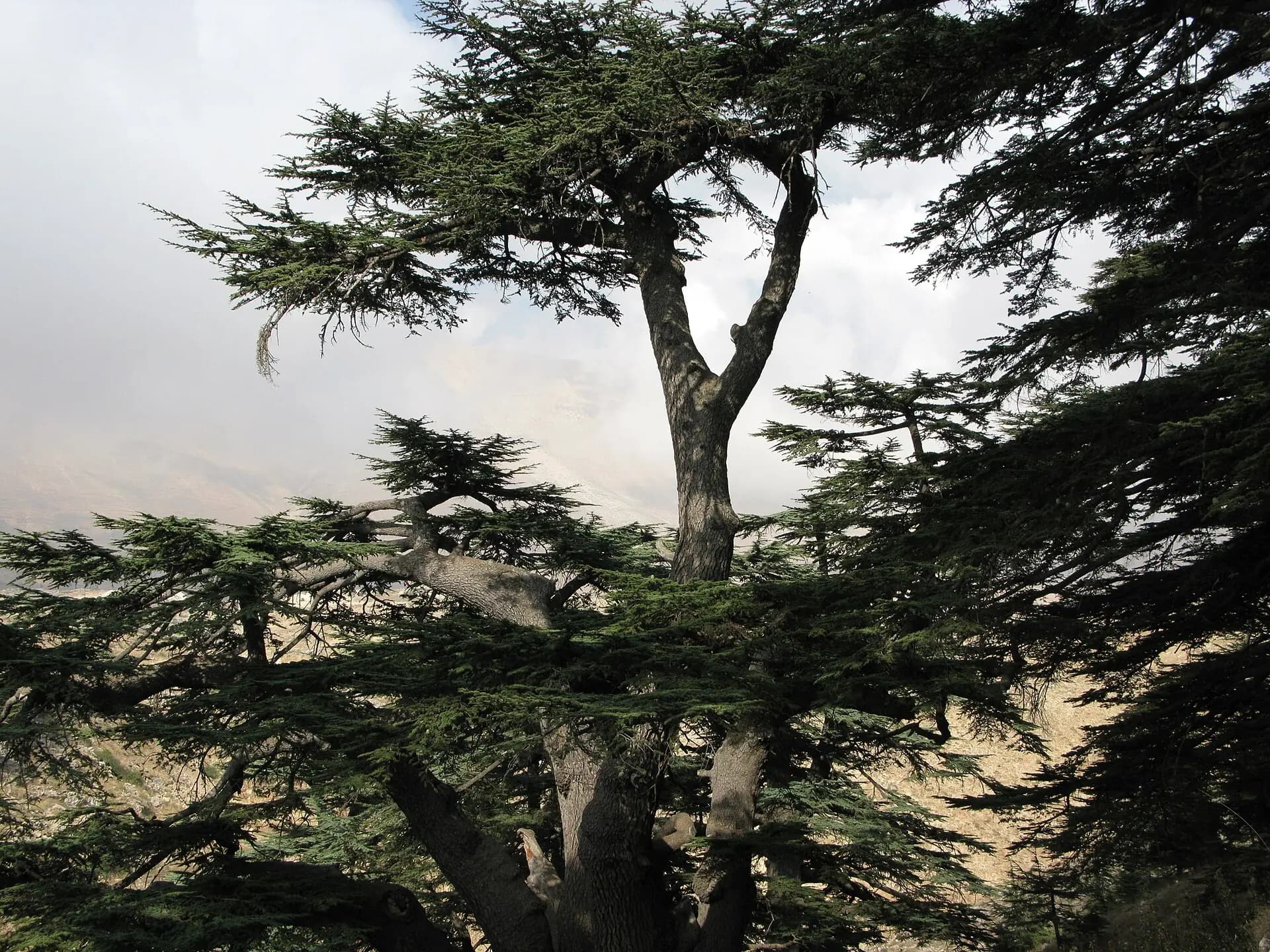
Read the Jeita Grotto guideA protected grove of ancient Lebanon cedars above Bsharri and part of the Qadisha Valley World Heritage Site.
Read the Cedars of God guideAttraction · Archaeology and historyOne of the Roman world's most monumental sanctuary complexes, dominated by the temples of Jupiter and Bacchus.
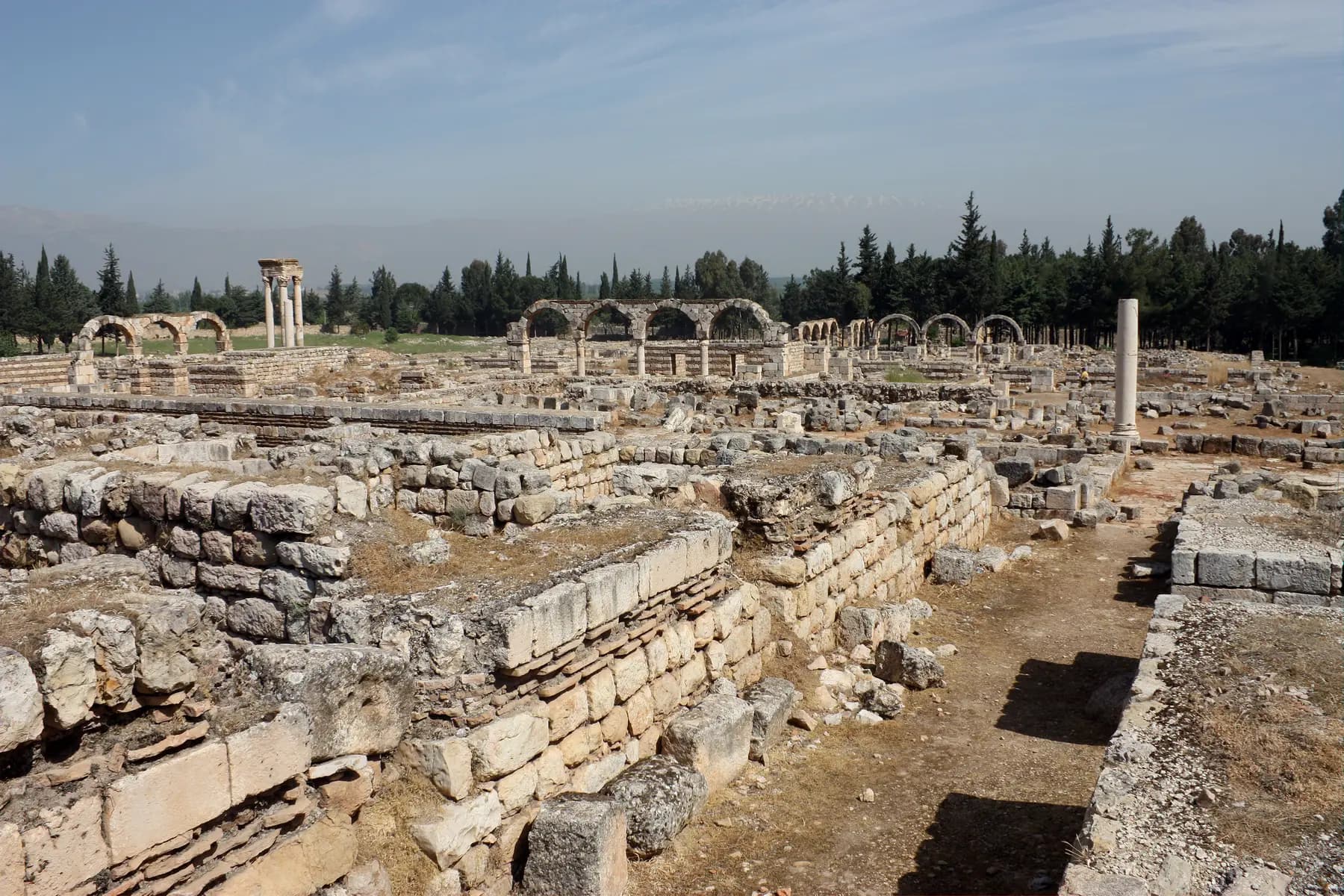
Read the Baalbek Temples guideA rare planned Umayyad city in the Bekaa Valley, with colonnaded streets, palaces and early Islamic remains.
Read the Anjar guideA Crusader fortress built on a small island at the edge of Sidon's old city and harbour.
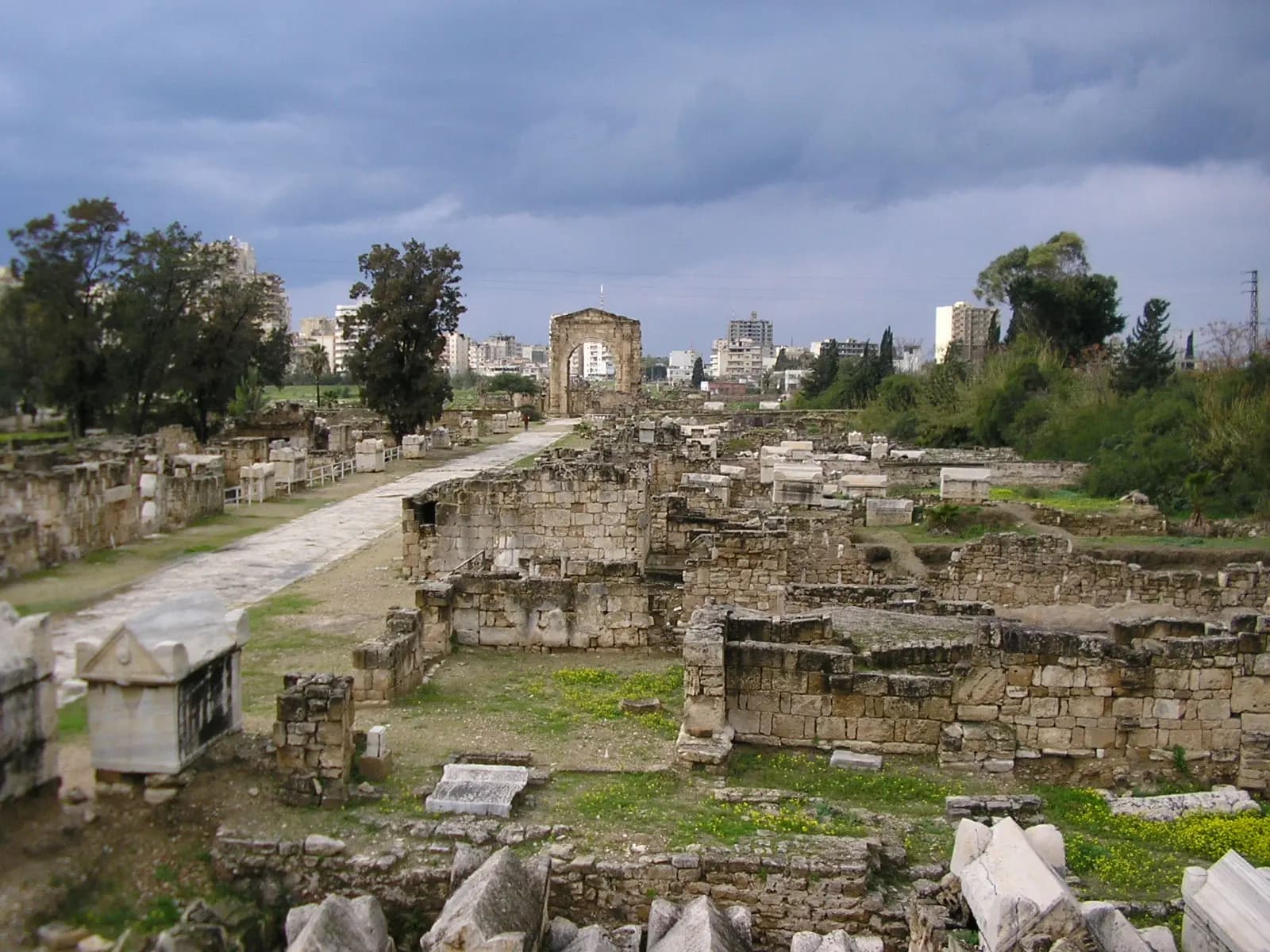
Read the Sidon Sea Castle guideTwo major archaeological areas preserving Roman streets, baths, a necropolis and a vast hippodrome.
Read the Tyre Archaeological Sites guideRegions
Compare the coast, cities, mountains and Bekaa Valley, then choose neighbouring stops that make a realistic route.
Lebanon's capital region brings together neighbourhood life, museums, restaurants and the Mediterranean Corniche.
Explore BeirutA varied region of coastal towns, wooded slopes, historic villages and mountain viewpoints close to Beirut.
Explore Mount Lebanon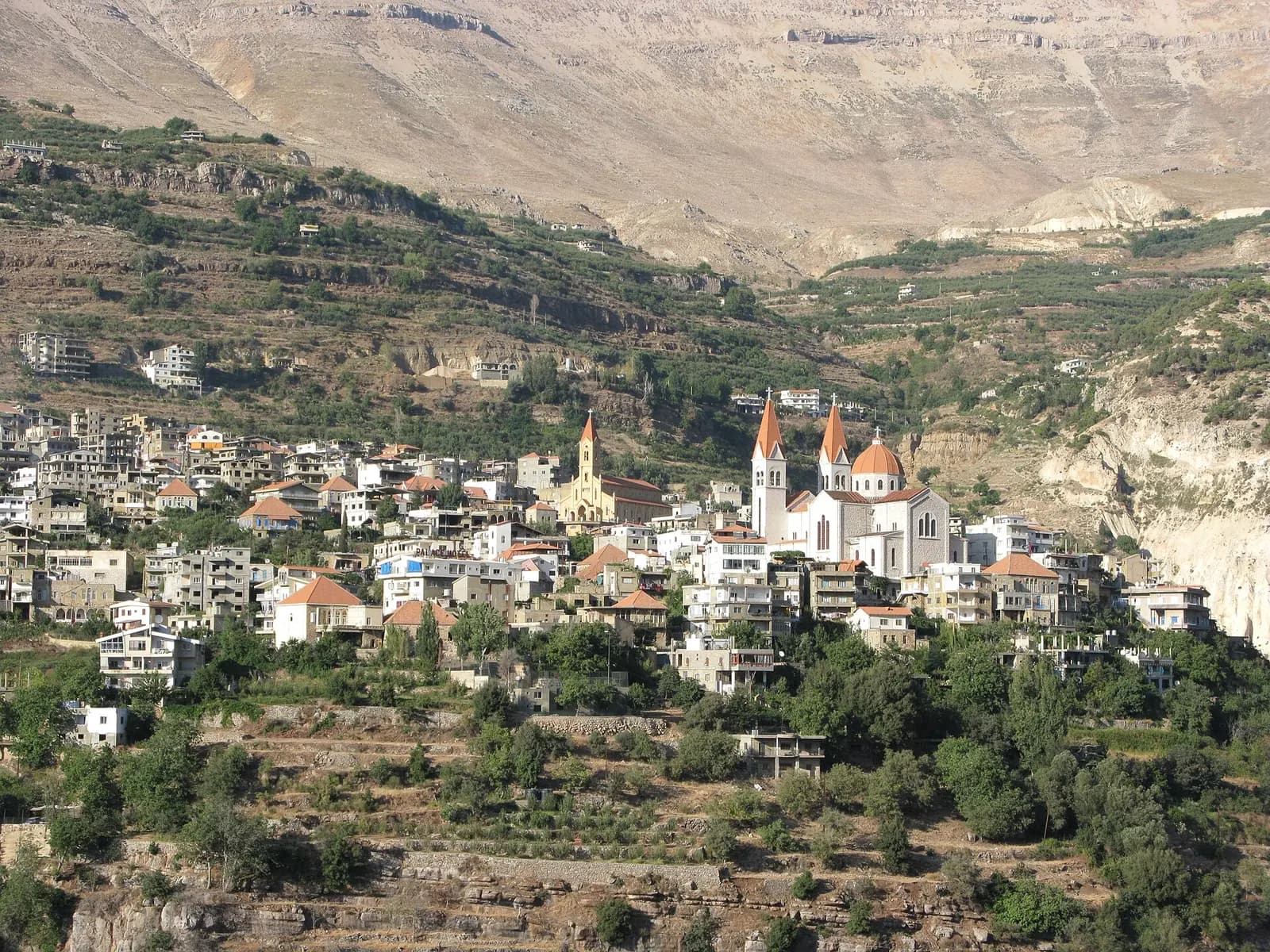
North Lebanon stretches from Batroun and Tripoli on the coast to Bsharri, Qadisha Valley and the cedar highlands.
Explore North LebanonLebanon's broad inland valley is known for Baalbek, Anjar, Zahle and long-established wineries.
Explore Bekaa Valley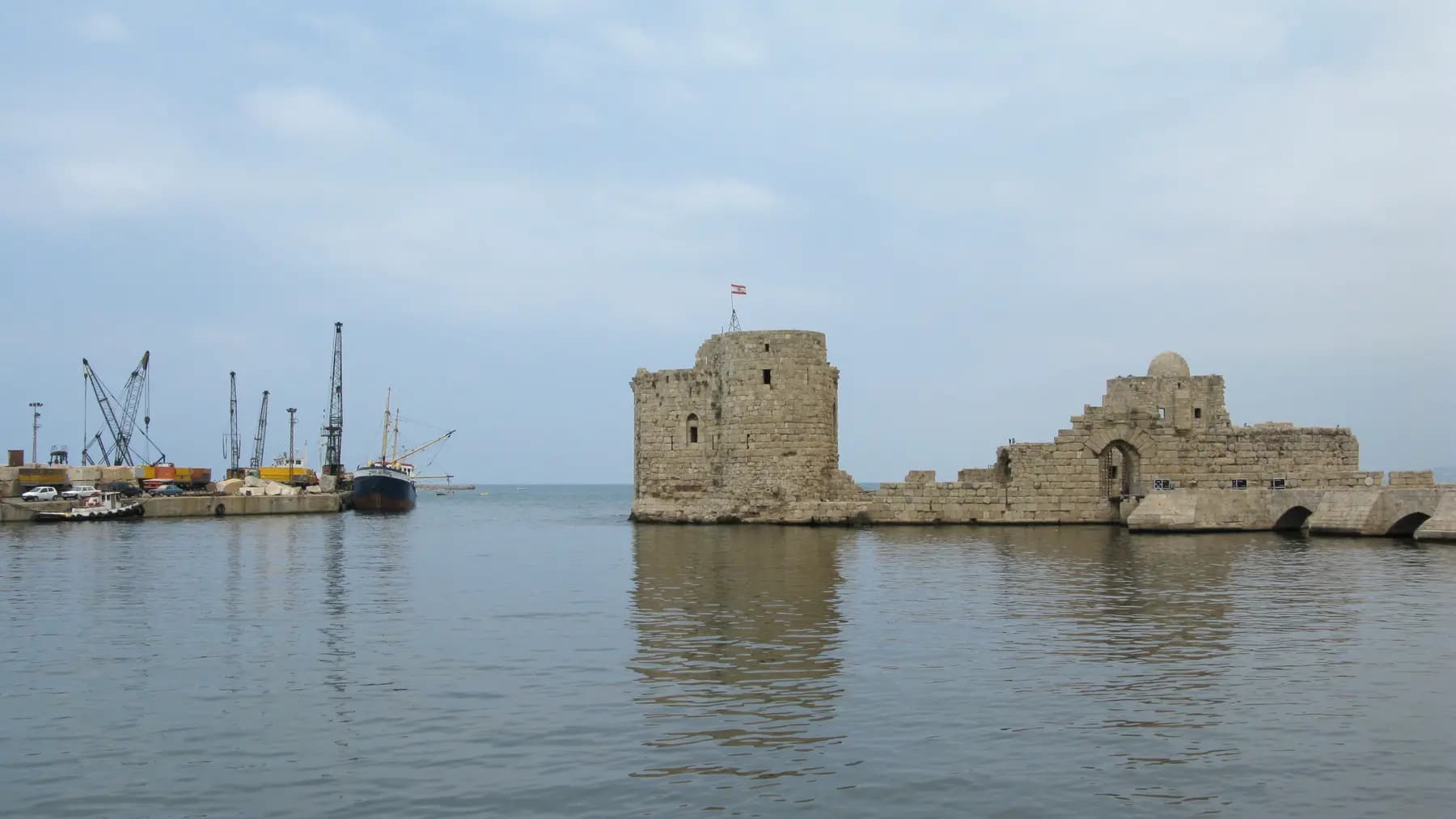
Sidon, Tyre and Jezzine preserve important parts of Lebanon’s coastal and mountain heritage. Use this guide for background and future planning alongside current official travel advice.
Explore South Lebanon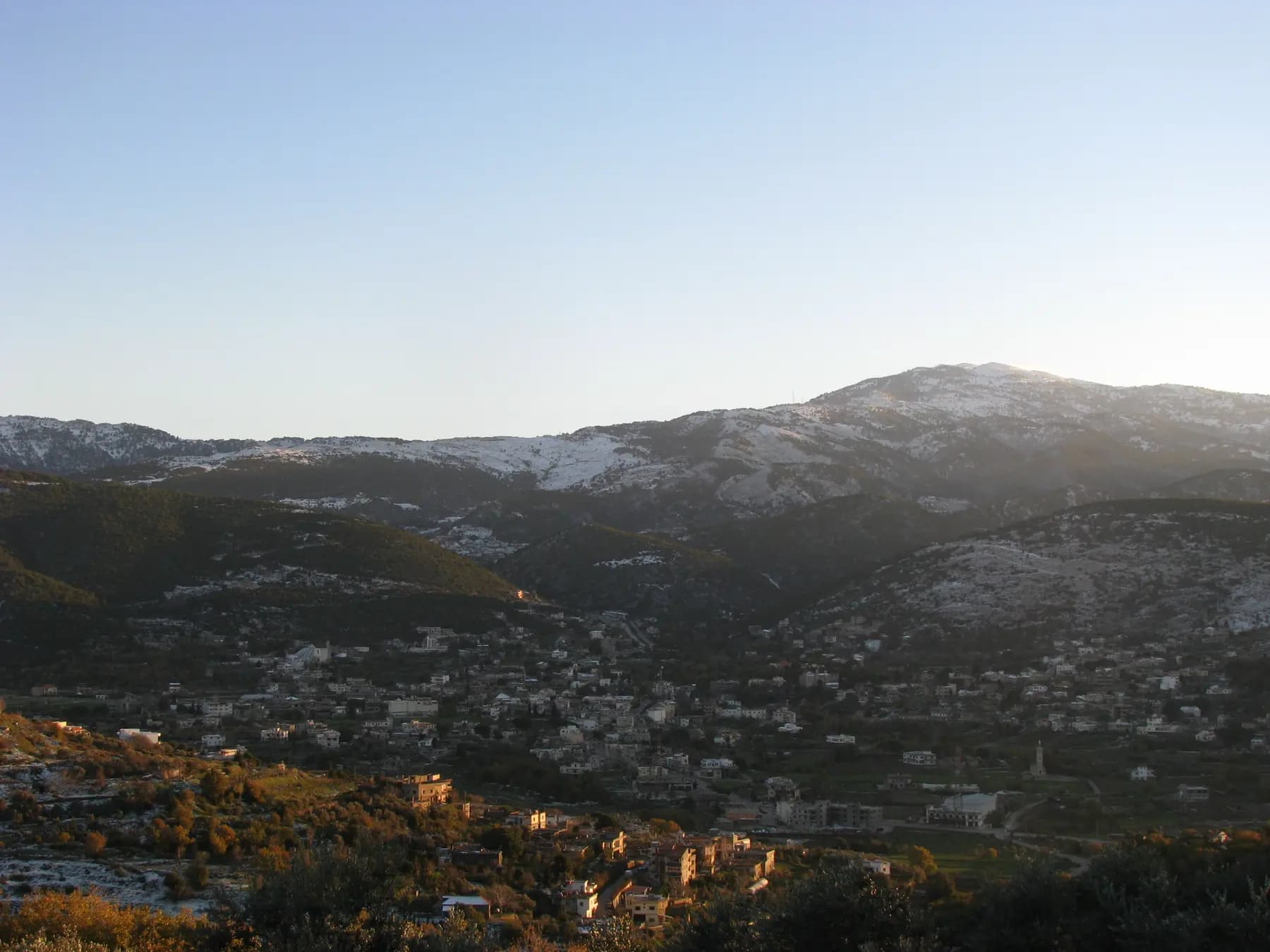
Lebanon's northernmost region offers wooded mountains, villages and quieter rural landscapes beyond the main visitor circuit.
Explore AkkarExplore
Select a marker for a short introduction, then open the full destination guide.