Before you book

Lebanon travel information

Entry requirements, official travel advice, insurance, money, health and connectivity can change. Use this page as a planning guide and verify time-sensitive details with the responsible authority.

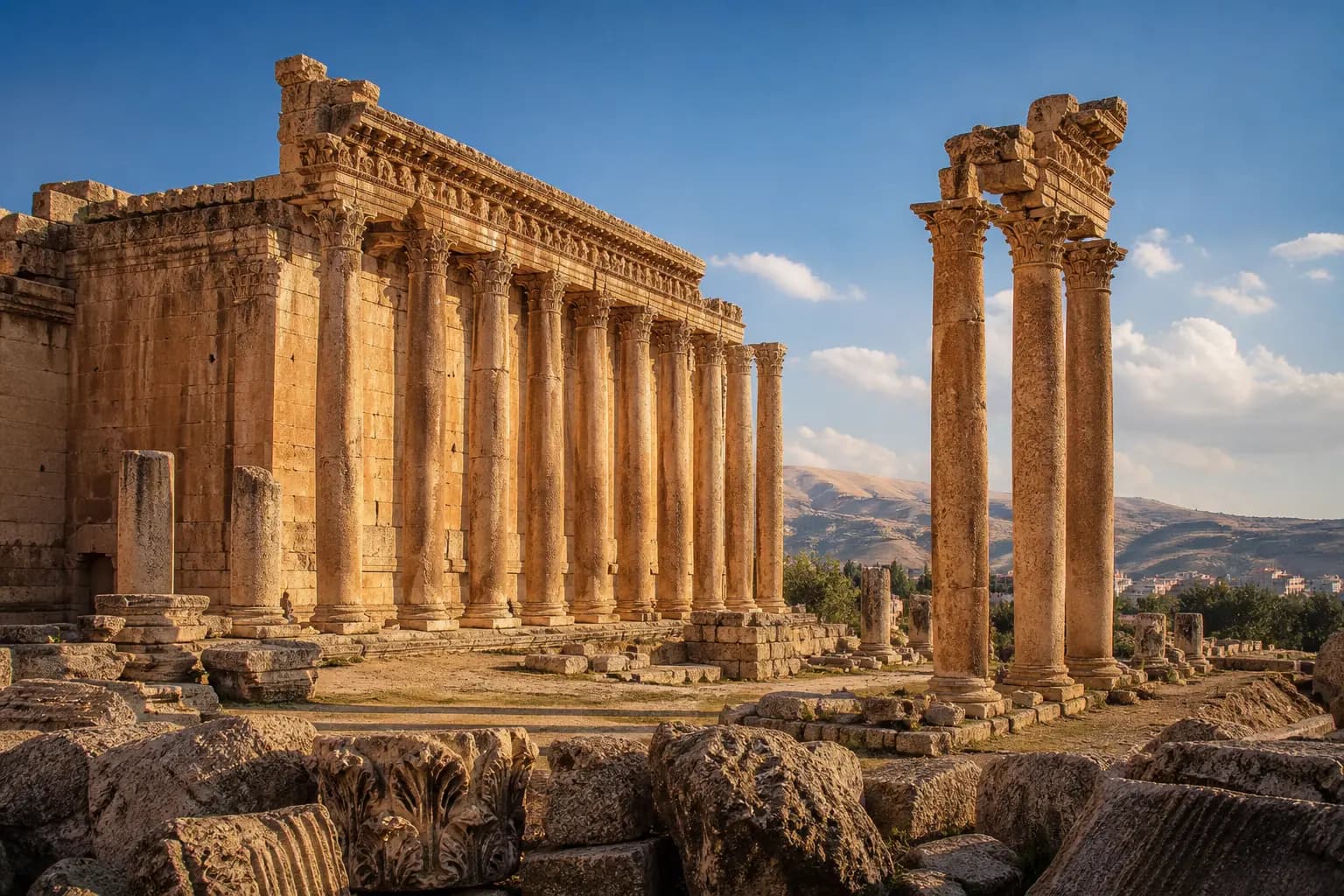
Ancient columns at Baalbek in Lebanon

Safety and official travel advice

Check the current Lebanon travel advice issued by your own government before booking and again close to departure. Advice can differ by country and area, and may affect insurance, transport and consular support.

Lebanon Visitor does not report security conditions in real time and cannot replace official guidance or local authority instructions.

Passport, visa and entry

Entry requirements depend on nationality, passport, travel history and purpose of visit. Check Lebanese General Security and the official advice issued for your nationality before departure; do not rely on a fixed visa statement copied from an old guide.

Make sure your passport meets the current validity rules and check whether passport stamps or previous travel create an entry issue.

Travel insurance

Confirm explicitly that your policy remains valid under the official travel advice that applies to you and covers the places and activities in your itinerary. Check medical treatment, evacuation and repatriation, cancellation, hire-car excess and planned mountain activities.

Keep your policy number, certificate and emergency assistance number available offline and share them with someone at home.

Military presence and checkpoints

Military and security checkpoints are a normal sight on some main roads and near strategic locations. Slow down, follow instructions and keep your passport or other identification accessible.

At night, lower the window and switch on the interior light if requested so occupants are visible. Do not photograph or film personnel, checkpoints, military vehicles or installations.

Money, USD and cards

Lebanon uses the Lebanese pound (LBP), while US dollars are also widely used. Exchange conditions and the rate applied by a business or card provider can differ, so ask which currency a price uses before paying.

Official reference rate

1 USD 89,500 LBP

Latest available rate · Last checked 26 Aug 2026, 10:38

USD
8,950,000LBP

USD/LBP is sourced from Banque du Liban's official reference rate . Card and cash exchange rates may differ.

Carry smaller USD notes for taxis, tips, fuel and small purchases, alongside a backup payment method. Inspect notes and count change carefully. Cards work at some hotels, restaurants and larger businesses but should not be your only option.

Health, medical care and medicines

Lebanon has private hospitals with high clinical standards, particularly in Beirut, and English or French is widely used in private healthcare. Serious treatment can be expensive and a hospital may request payment or a deposit before treatment or admission.

Pharmacies are common in cities and larger towns. Bring enough prescribed medicine for the trip in its original packaging, together with a copy of the prescription or a clinician's letter in English where appropriate.

Keep accessible

  • Insurance certificate and policy number
  • Insurer's emergency assistance line
  • List of medicines and allergies
  • Enough prescribed medicine for the trip

Water, food and hygiene

Sealed bottled water is the normal, safer choice for visitors rather than drinking tap water. Lebanon has a strong restaurant culture, and established hotels and busy restaurants generally maintain good standards.

As elsewhere, choose places with good turnover, eat food that is freshly cooked and hot, and be cautious with dishes that have stood in strong heat for a long time.

Tipping and service charges

Check the bill before adding a tip, as a service charge may already be included. In restaurants, taxis and for hotel services, tip according to the service and local situation rather than applying one fixed percentage everywhere.

Official reference rate

1 USD 89,500 LBP

Latest available rate · Last checked 26 Aug 2026, 10:38

USD
8,950,000LBP

USD/LBP is sourced from Banque du Liban's official reference rate . Card and cash exchange rates may differ.

Smaller cash notes are useful when a card terminal cannot add a gratuity or change is limited.

Mobile data, SIM and eSIM

Compare roaming with a local SIM or compatible eSIM before travel. Check your phone is unlocked, confirm the package directly with the provider and keep the activation details offline.

Mobile data is useful as a backup when hotel Wi-Fi or a fixed connection is temporarily poor, and for navigation on road trips. Coverage still varies in mountains and remote areas.

Electricity and adapters

Socket formats can vary between buildings, so check whether your plugs are compatible and carry a universal travel adapter if needed. Power interruptions can occur; ask your accommodation about backup supply and carry a charged power bank.

Language and communication

Arabic is the official language, but visitors usually manage very well in English. French is also common, especially in Beirut, coastal cities, hotels, restaurants and tourist areas.

Many Lebanese people move naturally between Arabic, English and French, and signs or menus are often multilingual. A few Arabic words are appreciated but are not necessary for travelling around.

Addresses, map pins and WhatsApp

A business may be easier to find by landmark, shared map pin or WhatsApp location than by a formal street number. Save the hotel pin and phone number before arrival.

When booking a taxi, send the exact pin and a nearby landmark, then confirm the pickup side of a busy road.

Practical advice for families

Request child seats in advance for transfers or car hire, and reconfirm them before departure. Carry water, snacks, sun protection and an extra layer for mountain trips.

Check pushchair access, lifts and steps directly with hotels and attractions, as historic sites and older districts can have uneven surfaces.

Time zone and daily hours

Lebanon uses Eastern European Time, normally UTC+2, and usually UTC+3 during daylight saving time. Clock-change dates can differ from those in your home country, so check the current local time around transition weeks.

Banks, offices, museums and shops do not follow one universal schedule. Friday prayers, Sunday trading, Ramadan and religious holidays can affect individual opening times; confirm directly rather than applying assumptions from home.

Transport at a glance

Verified taxis and pre-booked drivers are the simplest option for many visitors. App services and buses can also be useful, while a hire car gives flexibility for travellers comfortable with dense traffic and mountain roads.

Agree the fare or pricing method and payment currency before a taxi journey when an app does not show them clearly.

Weather, seasons and altitude

Lebanon has marked climate differences over short distances. The coast has hot, dry summers and milder winters, while mountain temperatures can be much lower and snow can affect high roads in winter.

Check the forecast for the actual destination rather than Beirut alone. Carry an extra layer for mountain trips and confirm road conditions when travelling at altitude in colder months.

Local customs, photography and drones

Dress with consideration at churches, mosques and other religious sites. Alcohol is readily available in Lebanon in supermarkets, specialist shops, restaurants, hotels, bars and nightclubs, and the country has a long tradition of wine and arak production.

Do not photograph military sites, checkpoints, security personnel or other sensitive locations. Drone rules and permissions can change; check with the relevant Lebanese authorities before bringing or flying one.

Save these offline

Do not rely on continuous connectivity. Save the essentials in your phone and, for the most important items, keep a second copy.

Offline checklist

  • Passport copy
  • Flight tickets
  • Hotel address
  • Insurance number and assistance line
  • Important telephone numbers
  • Offline maps
  • Contact details for your embassy or consular authority

Local emergency numbers

Save current police, ambulance, fire and civil-defence numbers before travel and verify them with an official source or your accommodation. Also keep the address of the nearest suitable medical facility for your itinerary.

In an emergency, give your location as clearly as possible, including a map pin or nearby landmark when a street address is not enough.

Consular assistance and emergencies

Save the current contact details for your own embassy, consulate or foreign ministry, together with local emergency numbers. In a serious medical situation, contact local emergency services and your insurer assistance centre as soon as possible.

Local emergency numbers complement, rather than replace, consular contacts and insurance support.

Practical answers

Lebanon travel information FAQ

Concise guidance for common planning questions.

Before your trip

Passports, money, mobile service and what to arrange before departure.

Can I drink tap water in Lebanon?

Tap water is not recommended as drinking water for visitors. Sealed bottled water is widely available and is the usual choice.

Do I need a travel adapter?

You may need one, depending on the plug used in your home country and the sockets at your accommodation. A universal adapter is a practical choice.

Can I use international bank cards in Lebanon?

International cards work at some hotels, restaurants and larger businesses, but outages and acceptance vary. Carry cash and a second payment option.

Do I need a visa for Lebanon?

Entry rules depend on nationality, documents and travel history. Check Lebanese General Security and the official guidance for your nationality before travel.

Is healthcare expensive?

Routine private consultations may be manageable, but serious treatment and admission can be very expensive. Hospitals may request payment or a deposit, so appropriate insurance is essential.

While you are there

Health, water, photography and practical preparation day to day.

Can I fly a drone?

Do not assume you can. Check current Lebanese rules and obtain any required permission before bringing or flying a drone.

Which currency is best to bring?

US dollars are widely used alongside Lebanese pounds. Bring clean smaller notes, ask which currency a price uses and keep a backup payment method.

How do mobile service and eSIM work?

Compare roaming, local SIM and compatible eSIM options before travel. Confirm the package and activation with the provider and keep details offline.

What should I remember when taking photographs?

Do not photograph military personnel, checkpoints, military vehicles, installations or other sensitive sites. Ask permission before photographing people closely.

What should I save offline?

Save a passport copy, tickets, hotel address and map pin, insurance details, emergency and consular contacts, and offline maps.

How do I find a place without a conventional street address?

Use a shared map pin, nearby landmark and phone or WhatsApp contact. Confirm the correct side of a divided or busy road.

Is Lebanon practical with children?

It can be, with advance planning. Confirm child seats, room access, attraction terrain and journey breaks, and carry water and weather-appropriate layers.

Always verify details that can change close to departure with Foreign, Commonwealth & Development Office and the relevant service provider.