
CountryLebanon
Mediterranean capital
Beirut
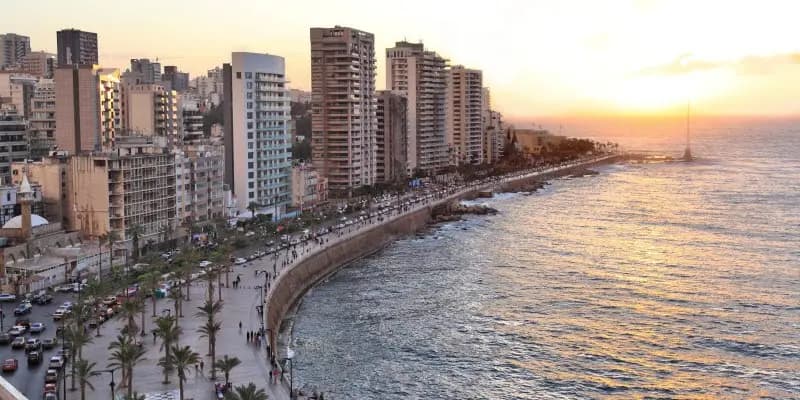
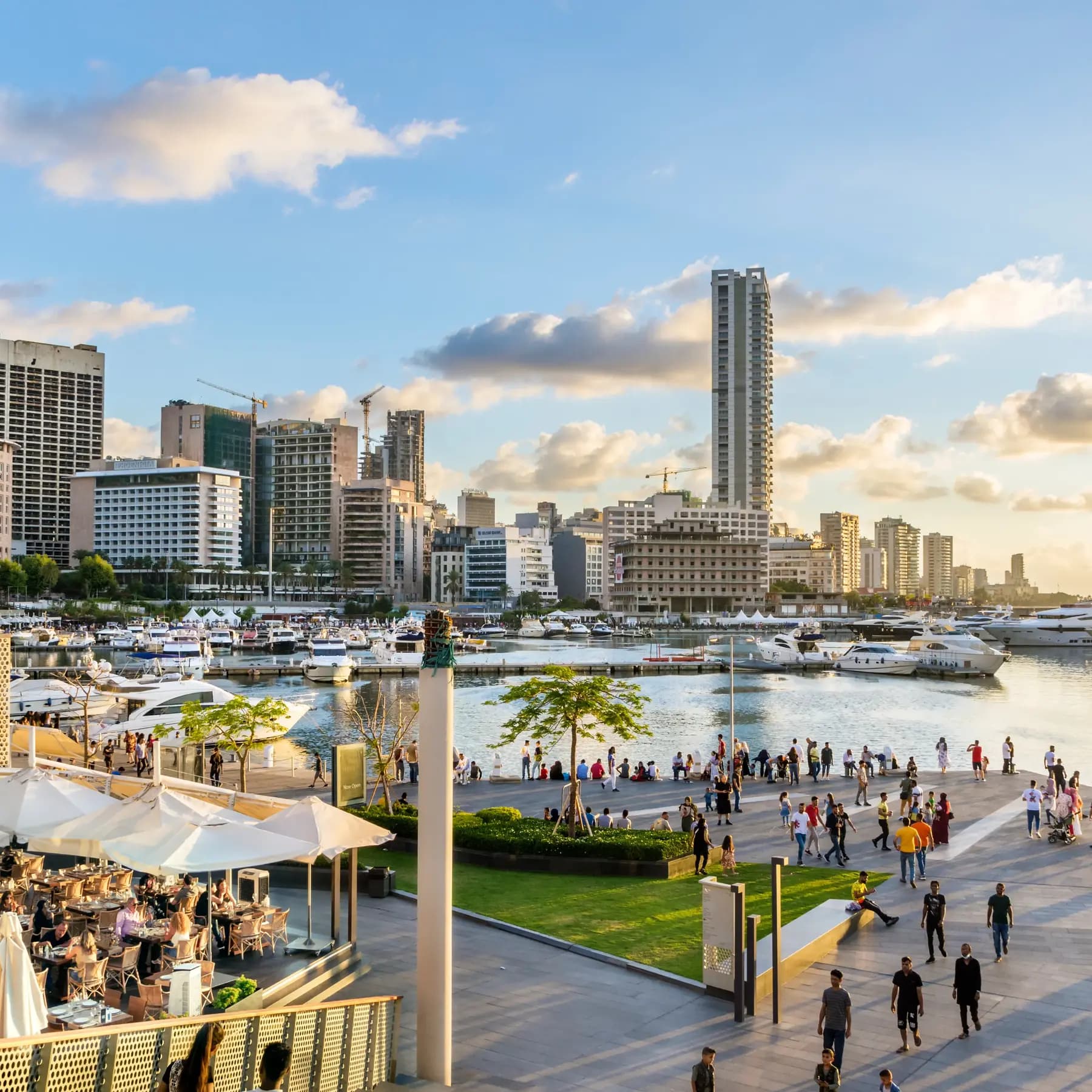
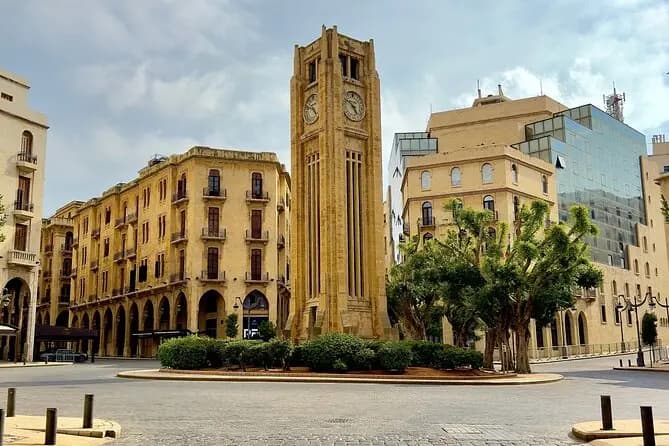
Beirut is a city to explore by neighbourhood: archaeology at the National Museum, cafés in Hamra, art and old houses in Achrafieh, and the Corniche beside the Mediterranean. Allow two or three days for the capital itself, with separate days for excursions when current travel advice permits.
Overview
Quick facts
RegionBeirut
AirportBEY
LanguagesArabic; English and French widely used
CurrencyLebanese pound (LBP) and US dollar (USD)
Best forCity life, culture and coast
Beirut
What would you like to discover?
The city and its character
About Beirut
The capital is a useful introduction to Lebanon because it puts the country's history and daily life in the same visit. Museum collections explain the places you may later see at Byblos or Baalbek; neighbourhood bakeries, family lunches and waterfront walks show a different side of the city.
Beirut is not one continuous pedestrian sightseeing area. Hamra and Raouche lie on the western side, while Gemmayze, Mar Mikhael and Achrafieh form useful eastern groupings. Downtown sits between them, but access around government buildings and central streets can change.
How to spend two days in Beirut
On the first day, pair the National Museum with lunch nearby, then take a pre-booked car towards Achrafieh. If its exhibitions are open, add Sursock Museum before exploring Gemmayze and choosing a place for dinner. The Saint Nicholas Stairs connect the area below the museum with Gemmayze; take a vehicle if stairs are unsuitable.
Use the second day for Hamra, a manageable section of the Corniche and the Raouche viewpoints. Treat Pigeon Rocks as a separate waterfront stop if the full walk would be too long. With a third day, add central Beirut where access permits, another museum or time in a neighbourhood you enjoyed.
When to visit and how to pace the day
Spring and autumn generally make long city walks more comfortable. In summer, put outdoor sightseeing early or late in the day and leave the hotter hours for a museum, lunch or a break at your accommodation. Winter calls for a rain plan and flexible waterfront walks.
Two nights give you a brief introduction; three or four nights allow a fuller city stay or one nearby excursion. Count actual sightseeing days rather than nights: a late arrival and an early flight can remove most of a short break.
Day trips without overloading the itinerary
Byblos works as a coastal history day, while Jounieh, Harissa and Jeita Grotto belong to a different outing north of the city. Confirm each attraction's operations before deciding whether to combine them. A scenic map distance does not account for urban traffic or the climb into the hills.
Beiteddine and the Chouf mountains are another regional option, subject to current advice and access. Baalbek and Bsharri need more driving and should not be treated as casual additions to a Beirut afternoon. Keep the day before an early flight close to your departure base.
Find the right area
Areas to know
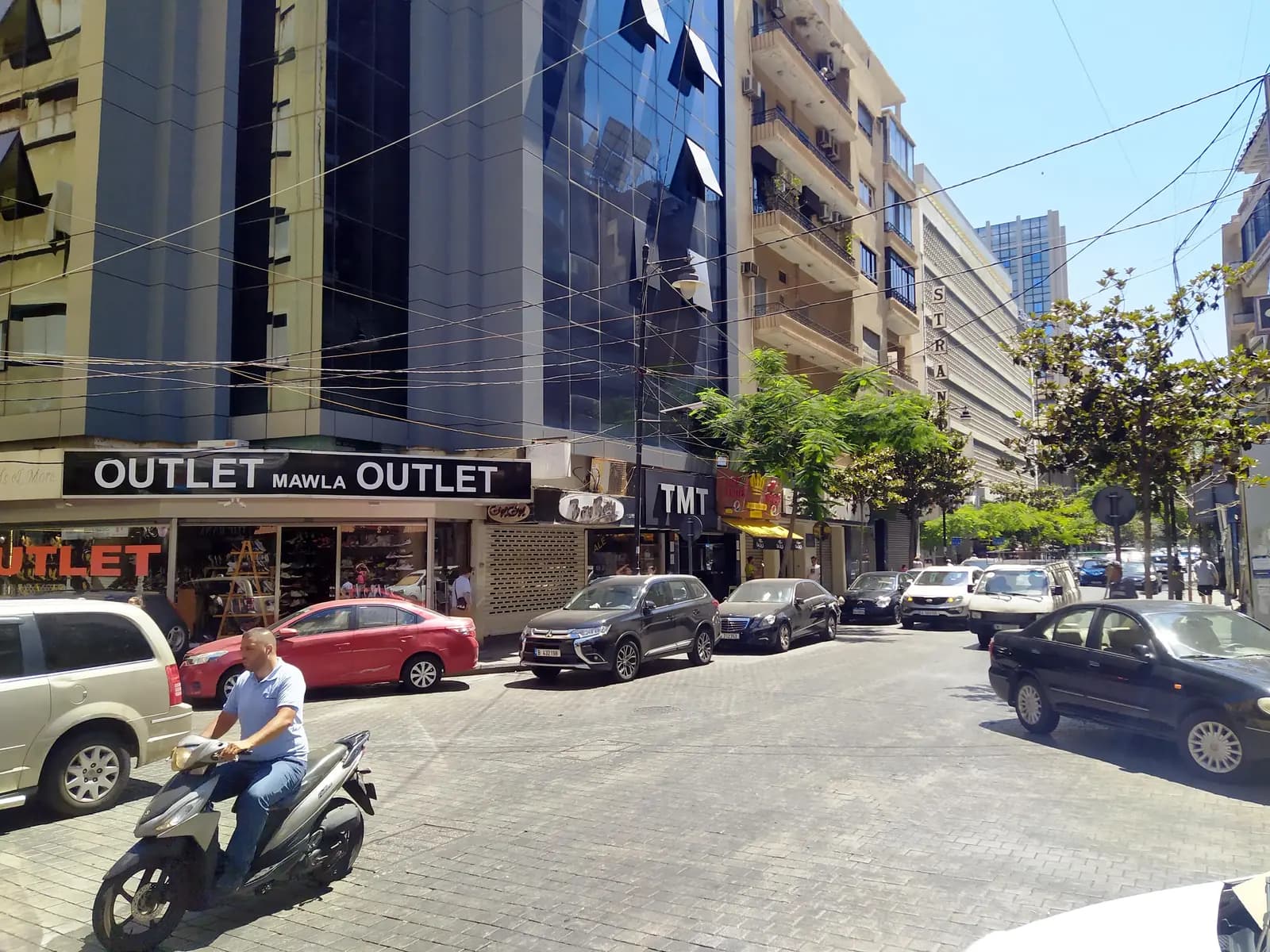
Hamra
A dense, everyday district of universities, shops, cafés and restaurants.
Best for: cafés and city life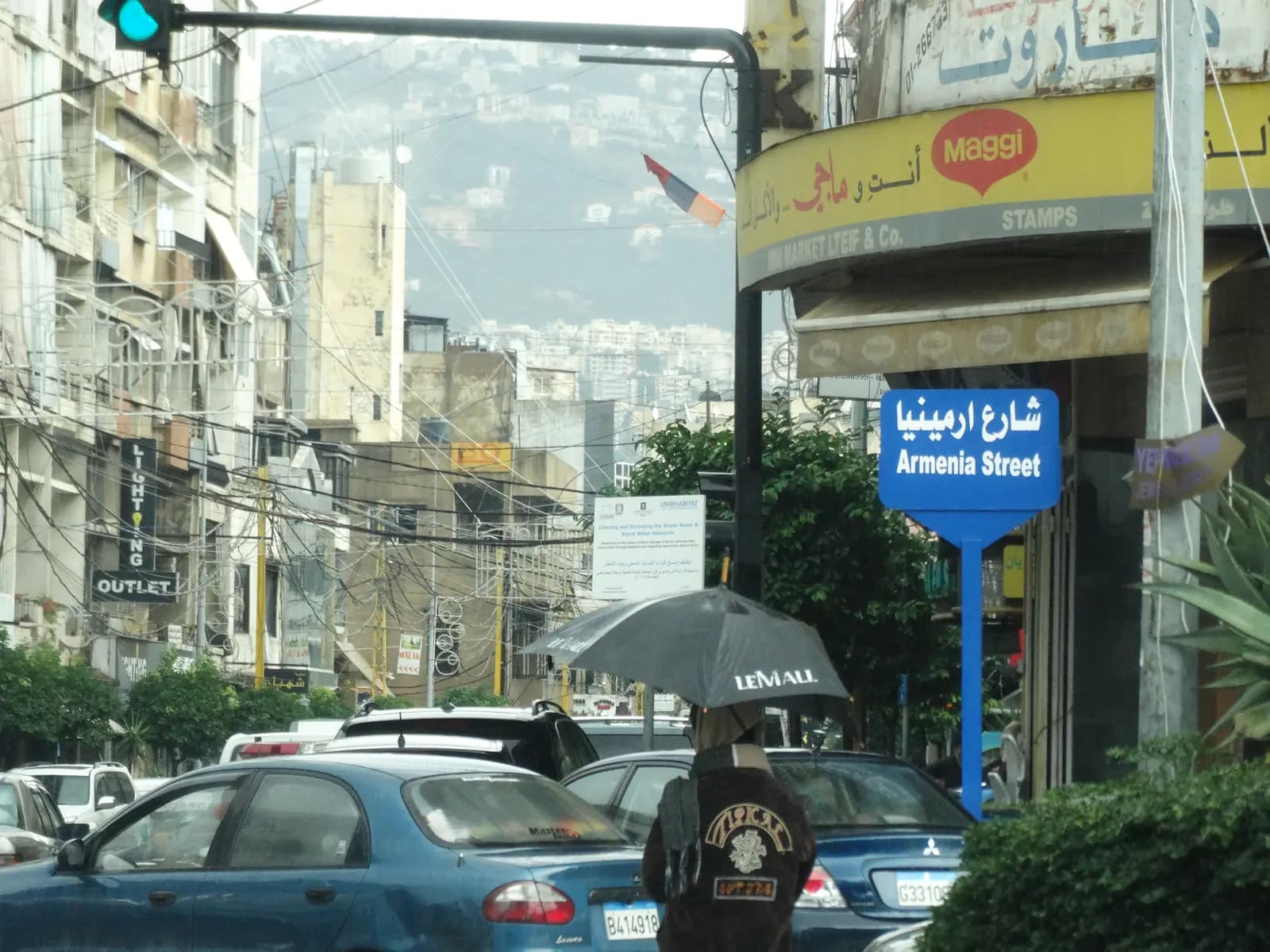
Mar Mikhael
Restaurants, bars and creative businesses centred on Armenia Street.
Best for: food and nightlife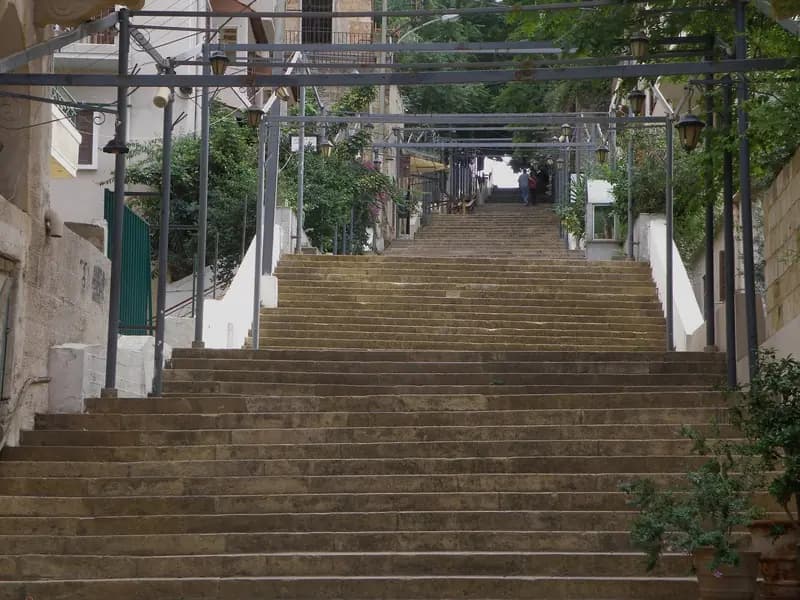
Gemmayze
Older buildings, stairways and places to eat close to central Beirut.
Best for: walks and dinner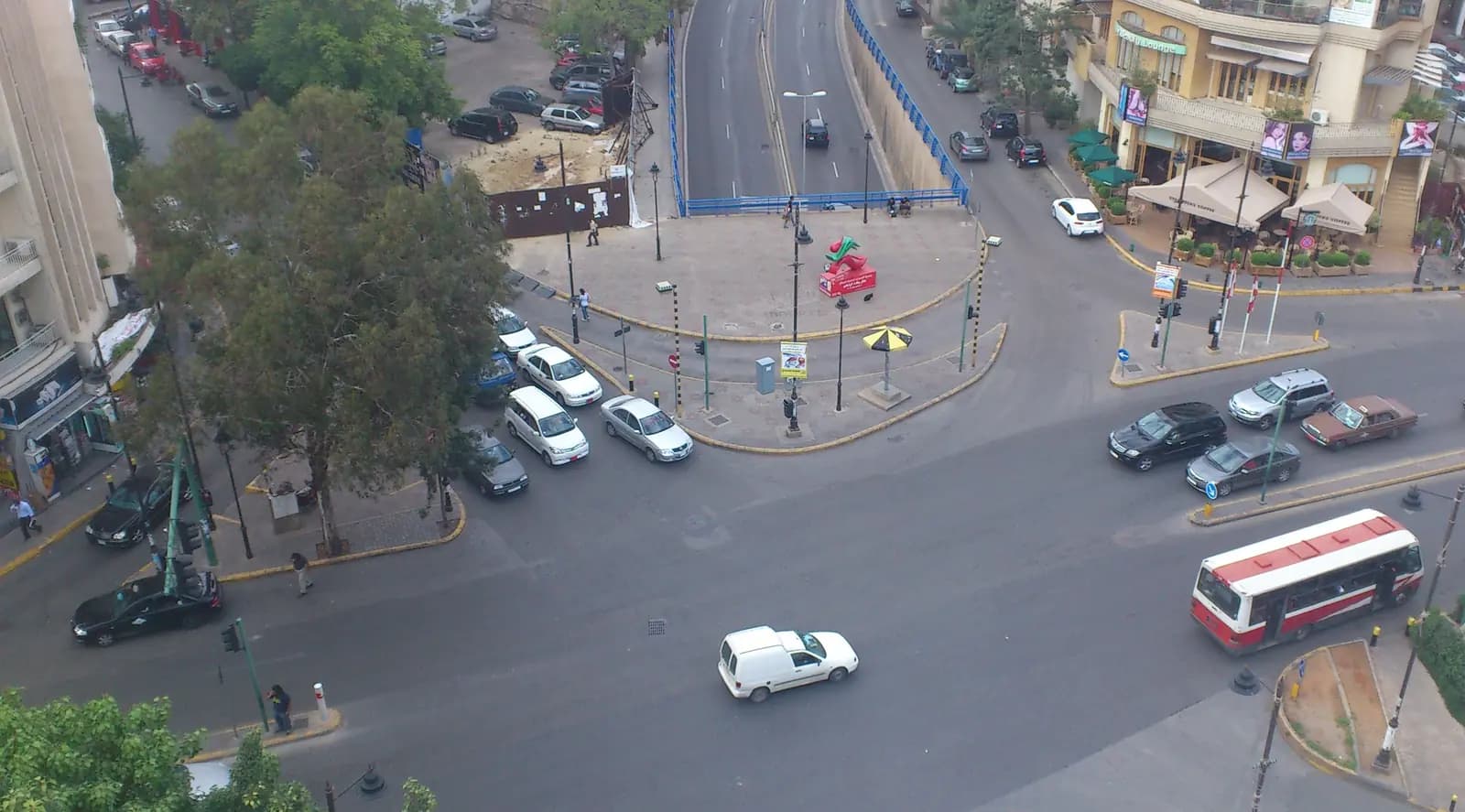
Achrafieh
Residential streets, museums and older houses on the eastern side of the city.
Best for: culture and a quieter baseDowntown
Central squares, Beirut Souks and architecture from several periods.
Best for: landmarks and architectureRaouche
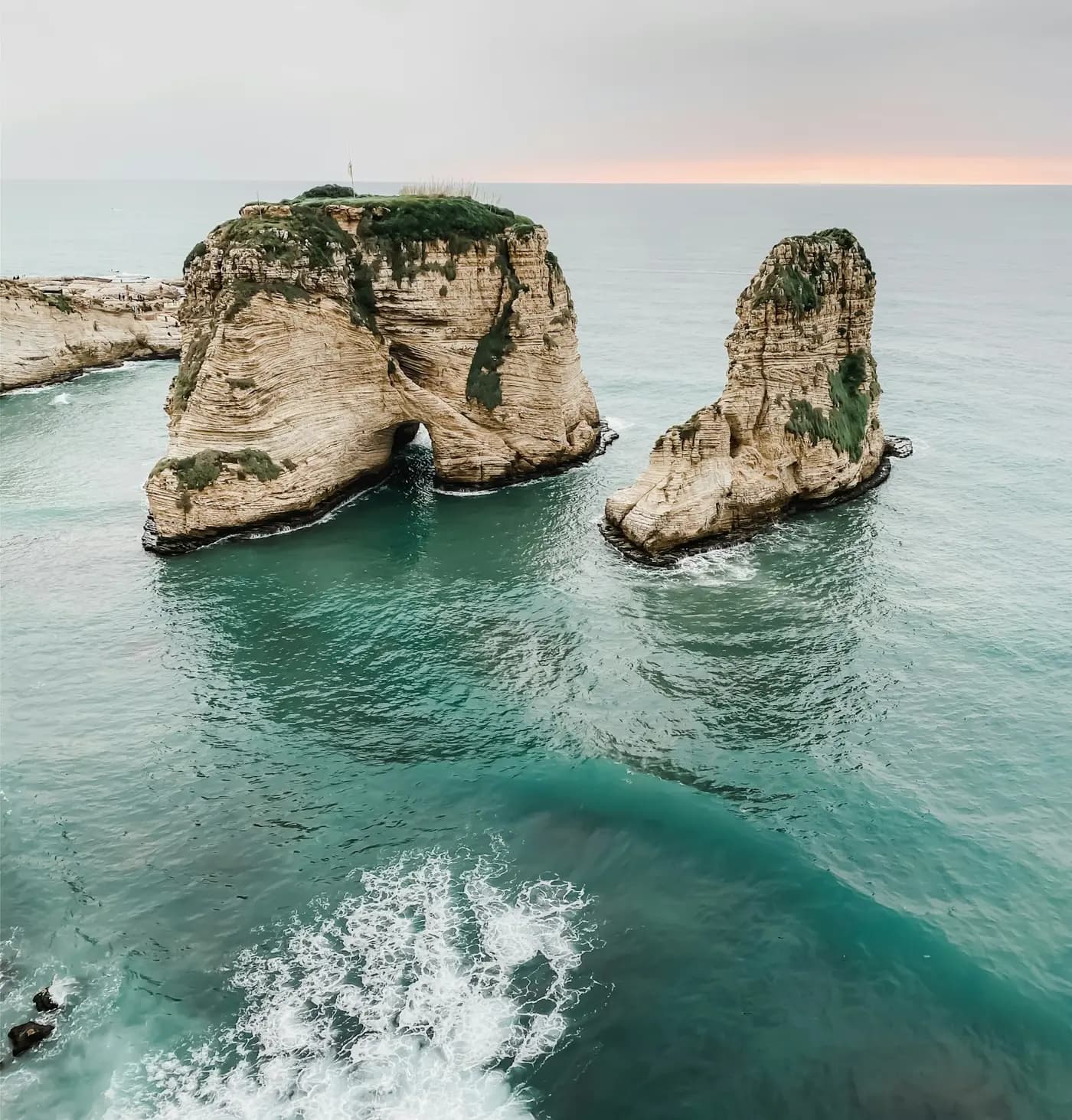
A waterfront district overlooking Pigeon Rocks and the open sea.
Best for: sea views and sunsetWhat to experience
Attractions
Raouche and Pigeon Rocks
Beirut's best-known coastal view, seen from the Corniche and nearby viewpoints.
Read the Raouche and Pigeon Rocks guide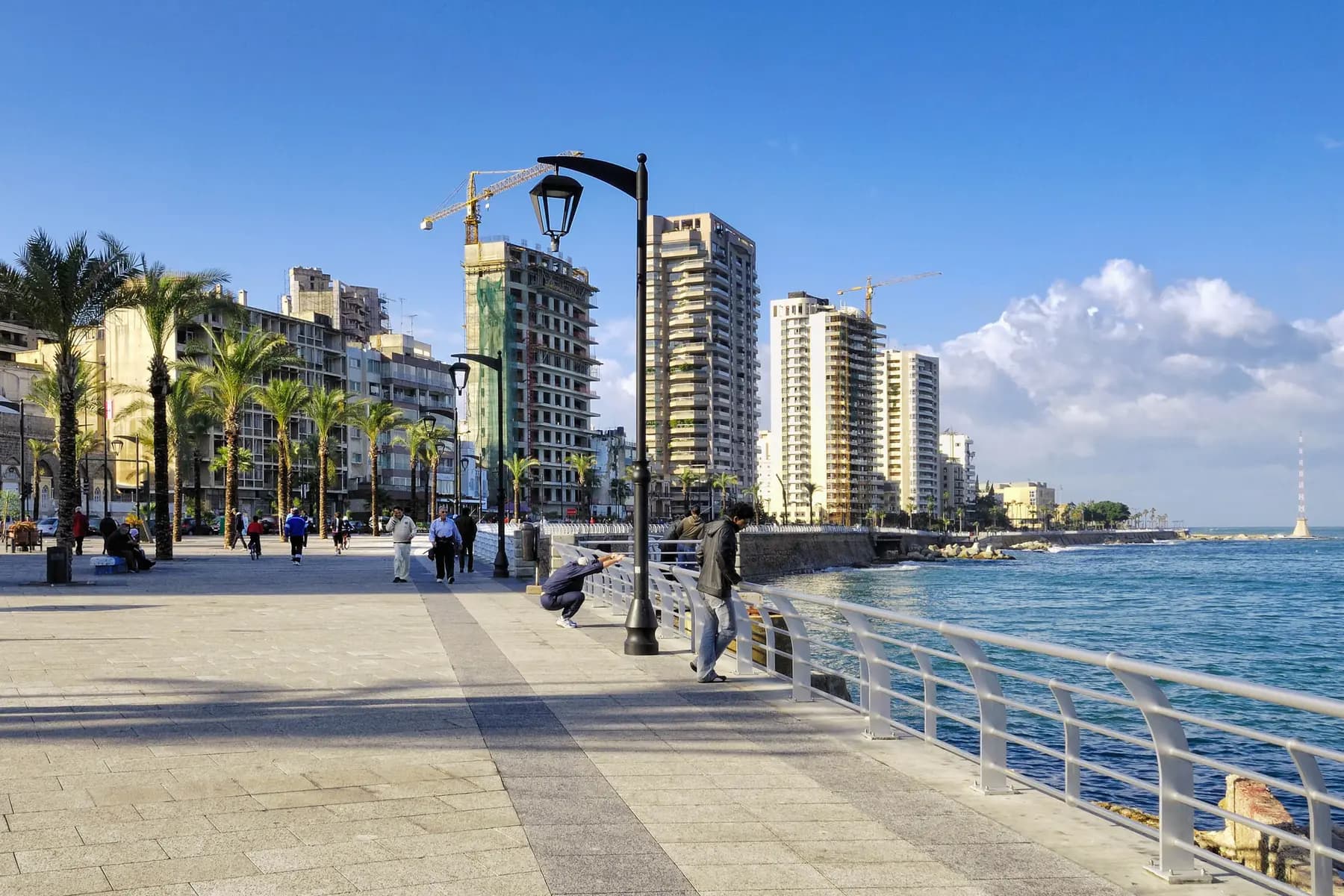
The Corniche
A long seafront promenade used for walking, running and watching the sunset.
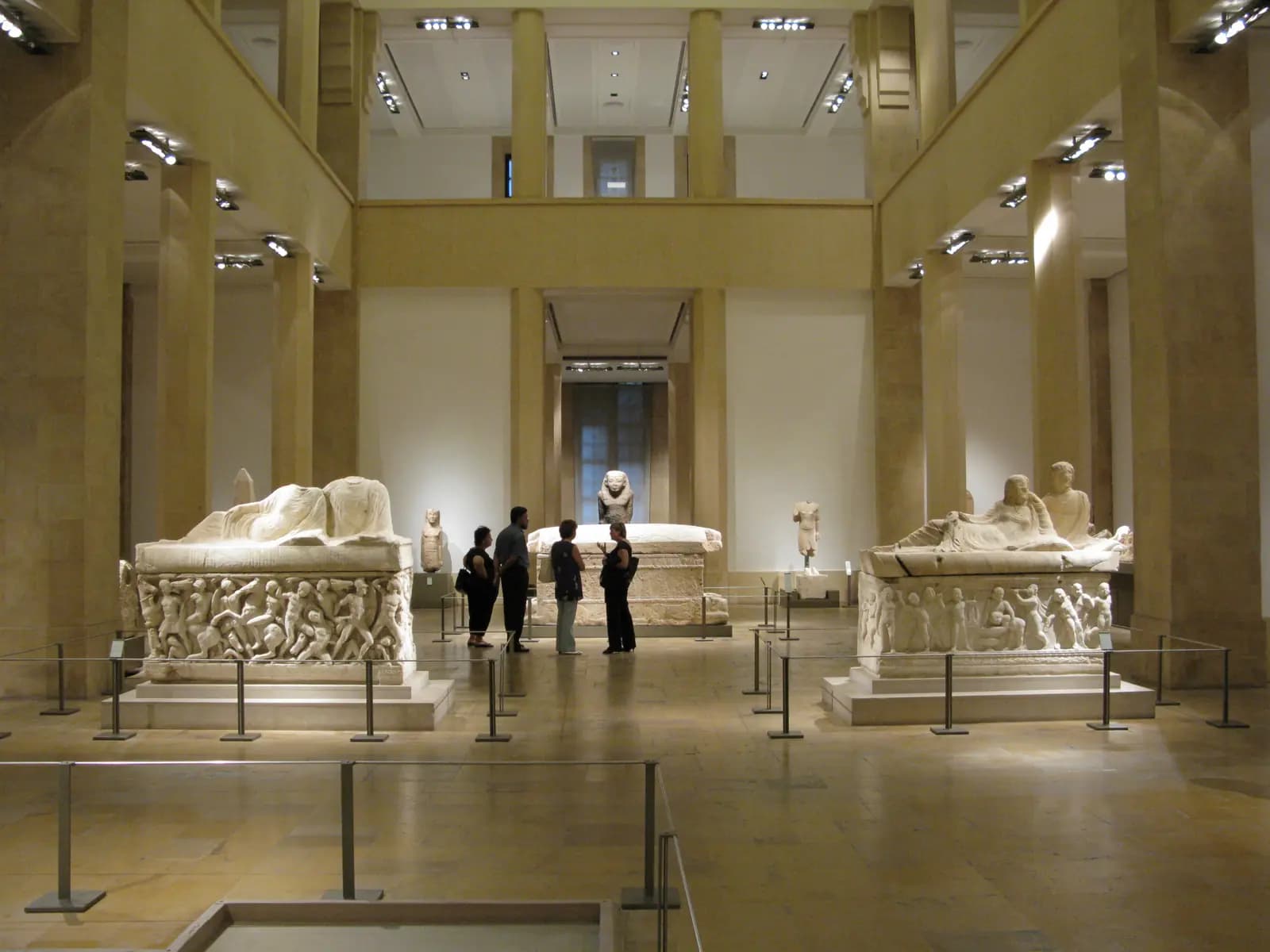
National Museum of Beirut
The clearest introduction to Lebanon's archaeology and long history.
Read the National Museum of Beirut guideDowntown Beirut
Central squares, religious buildings and modern public spaces, where current access permits.
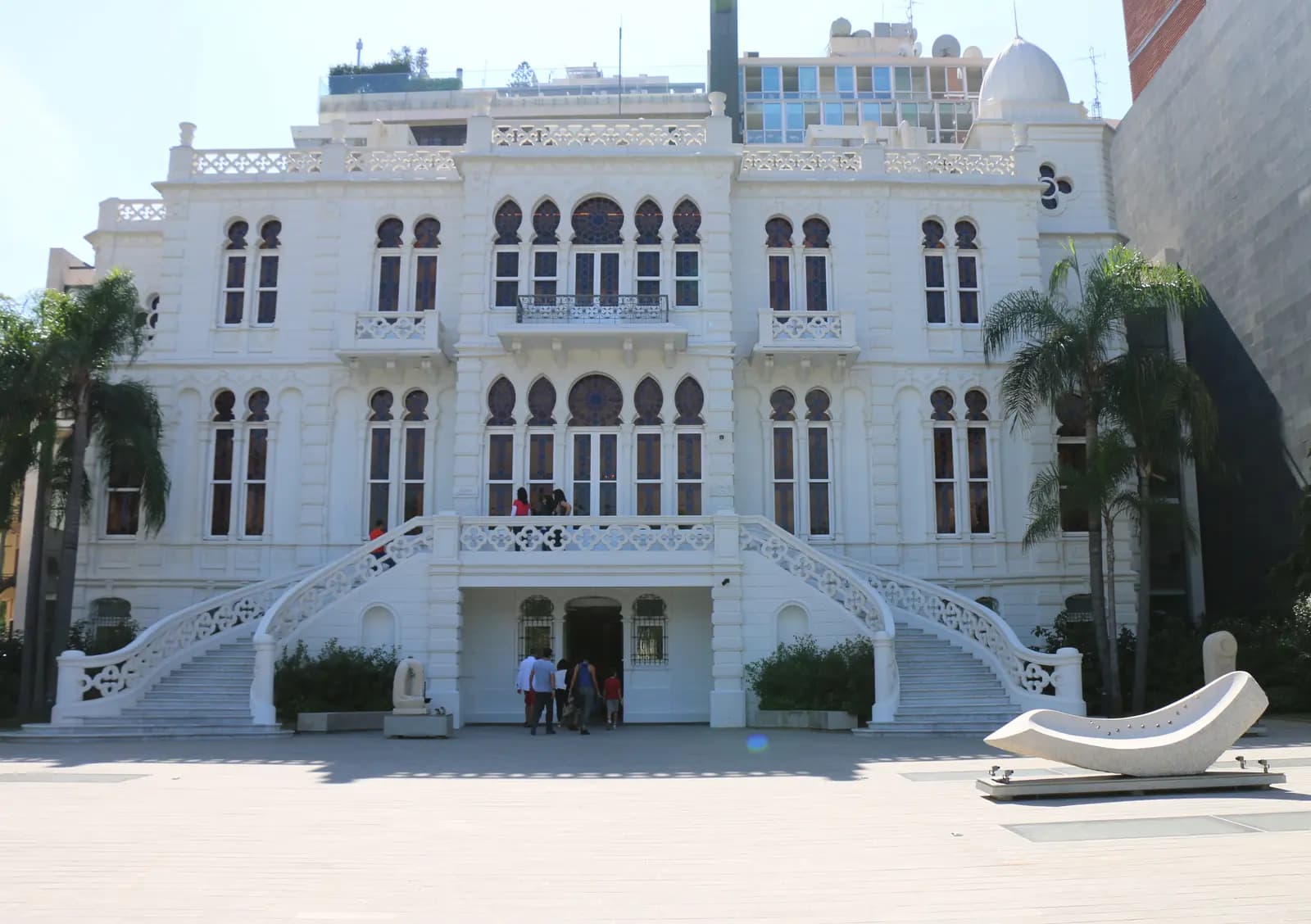
Sursock Museum
Art and architecture in Achrafieh; check current opening arrangements before visiting.
Flavours
Food & restaurants
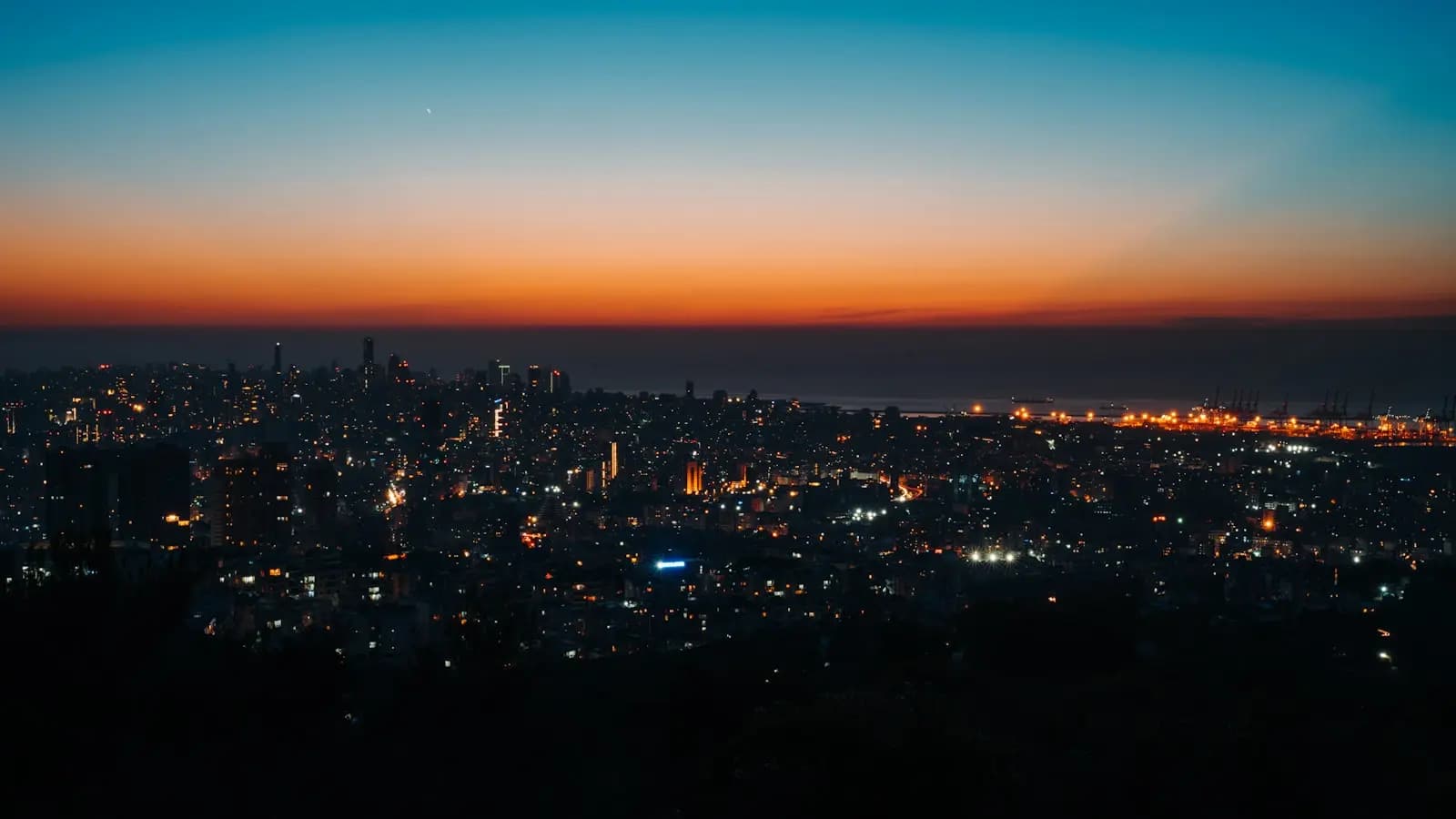
Start simply with manakish, a baked flatbread commonly topped with zaatar or cheese. For a longer meal, order a few mezze to share before deciding how much grilled food or fish you need. Hamra suits casual meals, while Gemmayze and Mar Mikhael offer many dinner and evening choices; check the actual venue and current opening rather than relying on a district's reputation.
Practical information
Getting around
Arrange cars through a recognised company with vetted drivers or your accommodation. Confirm the destination, full fare or pricing method and payment currency before travelling. Read the transport guide for current official advice about street-hailed and shared taxis.
Walking is useful within individual neighbourhoods, but pavements, crossings, gradients and lighting vary. Save the destination pin and accommodation address offline; allow a transfer between the National Museum, western seafront and eastern neighbourhoods.
A hire car is rarely necessary for a stay focused on Beirut. If you bring one, confirm hotel parking and use it for carefully planned regional journeys; crossing the city repeatedly can consume much of a sightseeing day.
Read the full transport guideBEY
From Beirut Airport
Beirut–Rafic Hariri International Airport lies south of central Beirut. Arrange a transfer with your accommodation or a recognised company before arrival, and confirm the meeting point, driver identification, full price and payment currency.
Give the operator your flight number and establish how waiting or a delayed arrival will be handled. Keep the booking and hotel address offline, and leave a generous margin for the return journey because road and flight conditions can change.
Current Beirut Airport informationWhere to stay
Where should you stay?
Downtown
A clear base near central Beirut, subject to current local access.
- Best for
- first visits and central sights
- Strengths
- central, organised and close to landmarks
Hamra
A practical base; check the exact street for traffic and noise.
- Best for
- everyday life and cafés
- Strengths
- services, variety and city energy
Achrafieh
Choose the exact street with care: slopes and busy roads affect walking, and a residential address does not guarantee quiet. Ask about lift access if needed.
- Best for
- culture and quieter evenings
- Strengths
- museums, older houses and restaurants
Mar Mikhael
Convenient for nightlife; check room noise before booking.
- Best for
- food and nights out
- Strengths
- many evening choices
Raouche and the western seafront
Check whether a sea-view room faces a busy road and how far the entrance is from a usable crossing. Allow transport for eastern Beirut and the National Museum.
- Best for
- sea views and Corniche walks
- Strengths
- close to Pigeon Rocks and coastal viewpoints
Before your trip
Good to know
Beirut with children
Choose one main sight per half-day and build in food and rest stops. Parts of the Corniche are easier for a pushchair than old stairways, but crossings and uneven paving still need attention. Request a suitable child seat when booking transfers.
Money and everyday services
Confirm quoted currency and payment methods before ordering or booking. Ask accommodation about backup electricity, air conditioning, lift operation and internet during outages.
Read more about Money and everyday servicesMuseum visits
Check the museum itself for current opening, exhibitions, photography and accessibility. A museum shown on a map is not confirmation that every gallery is open.
Evening transport
Arrange the journey home before a late dinner or night out. Check room noise if staying near bars, and avoid assuming that every street is well lit after dark.
Read more about Evening transportOfficial travel advice
Read the current government advice and regional map before booking. Check the entire route as well as the destination, and review advice again before departure.
Foreign, Commonwealth & Development Office ↗Keep exploring
More destinations you may like
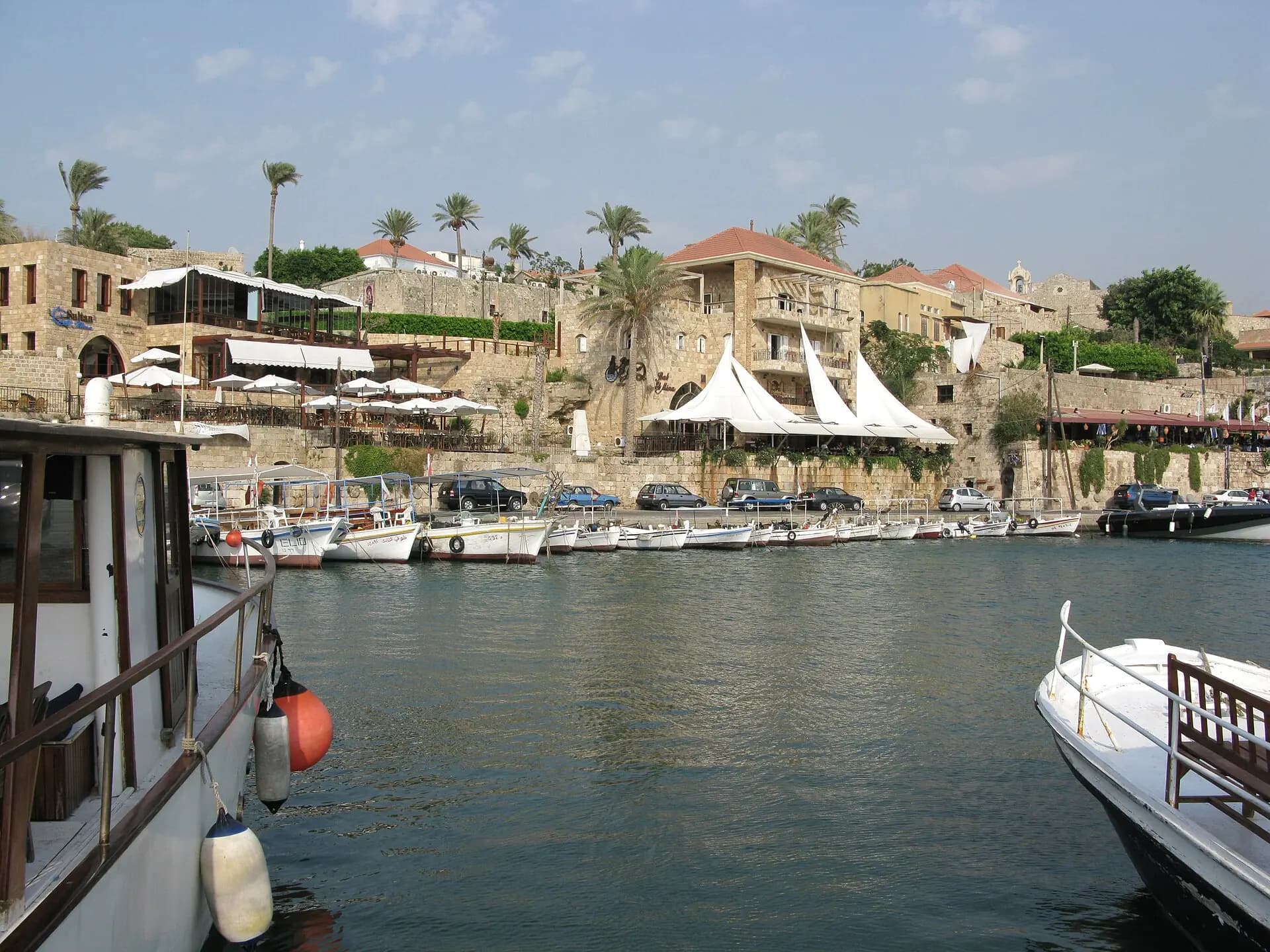
Byblos
A UNESCO-listed harbour town where archaeology, a Crusader castle and stone streets sit close together.
Read the Byblos guide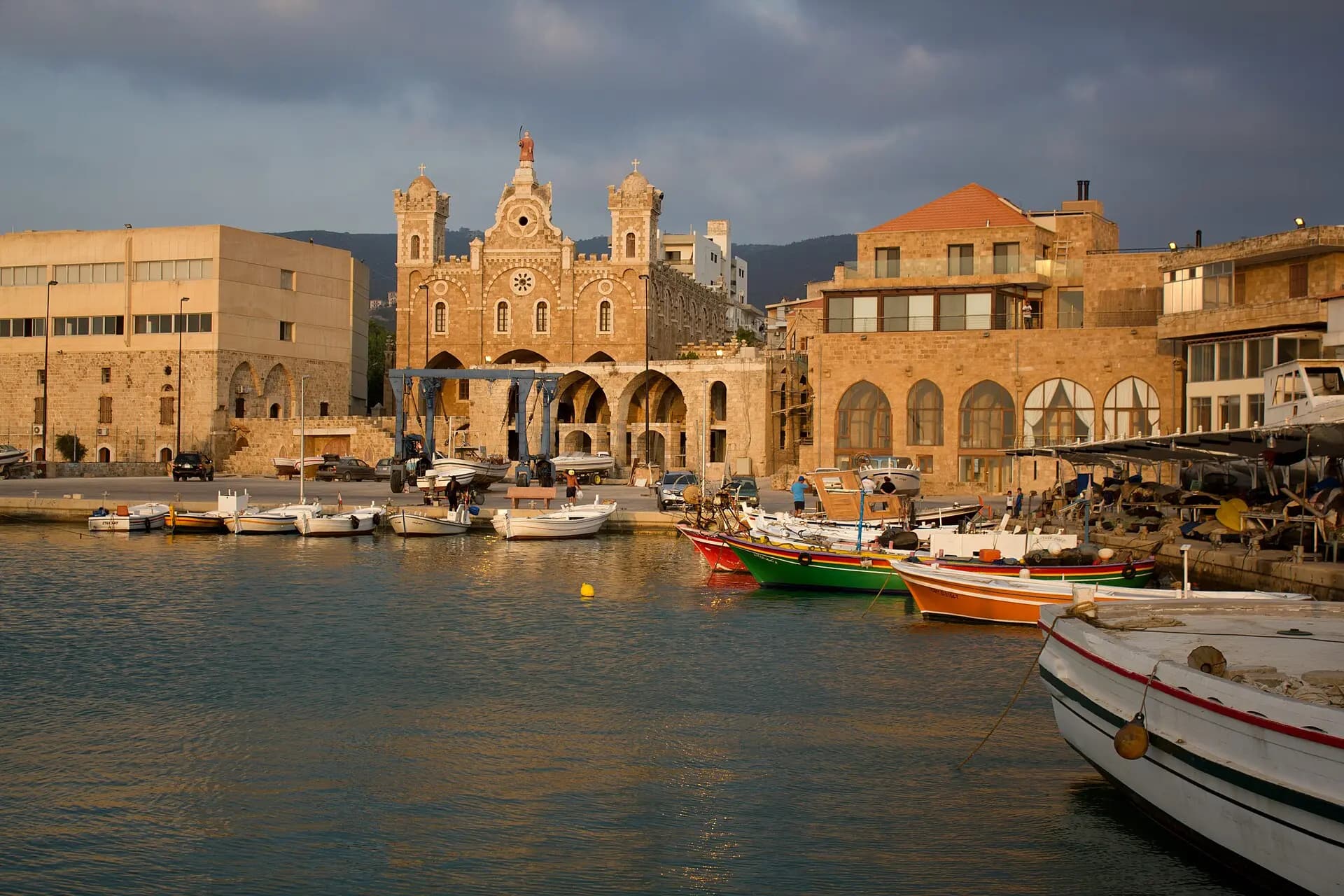
Batroun
Historic coastal town with old lanes, swimming places, restaurants and a lively summer scene.
Read the Batroun guide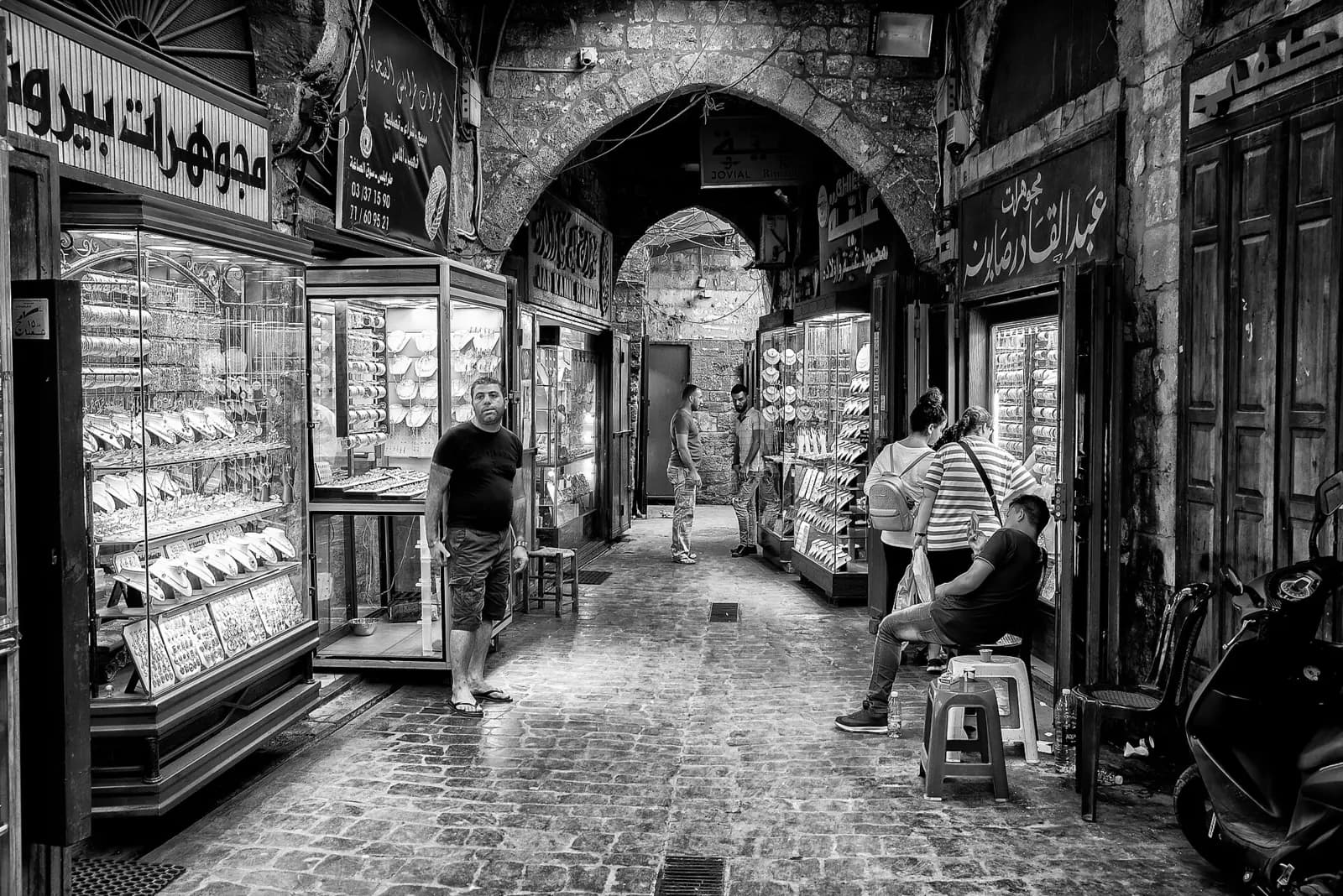
Tripoli
Working souks, Mamluk architecture, celebrated sweets and the coastal district of El Mina.
Read the Tripoli guideFrequently asked questions about Beirut
How many days do I need in Beirut?
Allow two or three full days for the capital. Add separate days for coastal or mountain excursions rather than taking time out of the same city itinerary.
Which area of Beirut should I stay in?
Hamra suits cafés and daily services; Achrafieh suits museums and eastern neighbourhoods; Gemmayze and Mar Mikhael suit evenings out; Raouche suits waterfront views. Check the precise street, noise, parking and backup electricity before booking.
Can I explore Beirut without a car?
Yes. Walk within suitable neighbourhoods and arrange transport between them through a recognised operator or your accommodation. Pavements and accessibility vary, so plan each walking section rather than relying only on map distance.
How do I travel from Beirut to Byblos?
A pre-booked return transfer or driver gives control over the day. Bus options require verification of the current stop, operating service and return arrangement. Allow for traffic and confirm where you will be dropped relative to the old town.
When is a good time for sightseeing in Beirut?
Spring and autumn usually suit walking better than the hottest summer months. In summer, combine early or late outdoor stops with museums and breaks indoors; in winter, keep an alternative plan for rain.
Can I swim at the Corniche or Pigeon Rocks?
Treat these as walking and viewing stops. A seafront promenade or cliff viewpoint is not a managed swimming beach. Choose a separate bathing venue and check current water conditions, access and facilities.