
LocationBsharri, northern Lebanon
Lebanon's cedar country
Bsharri and Cedars of God
Bsharri · Cedars of God · Horsh Arz el-Rab
Use Bsharri as a mountain base for Cedars of God, Gibran Museum and carefully chosen walks in Qadisha Valley. The grove, town and valley are separate stops at different elevations; an overnight stay leaves more time for them than a long return drive from Beirut.
Overview
Quick facts
ElevationAbout 1,900–2,050 metres at the cedar forest
SpeciesLebanon cedar, Cedrus libani
World HeritageUNESCO since 1998
Best forMountain scenery, heritage and walking
WinterSnow and changeable road conditions
Bsharri and Cedars of God
What would you like to discover?
The tree that became a nation
More than a forest – a living link to Lebanon's history
The cedar is one of the most powerful motifs in Lebanon's story. The tree is native to the mountains of the eastern Mediterranean, yet became known far beyond its natural range through trade, construction, literature and religious texts.
Cedars of God near Bsharri is not a vast primeval forest. It is a protected remnant of woods that were once far more extensive across Lebanon's mountains – small in area, but immense as a historic landscape and national symbol.
To stand among the cedars is to stand within a story older than most civilisations.
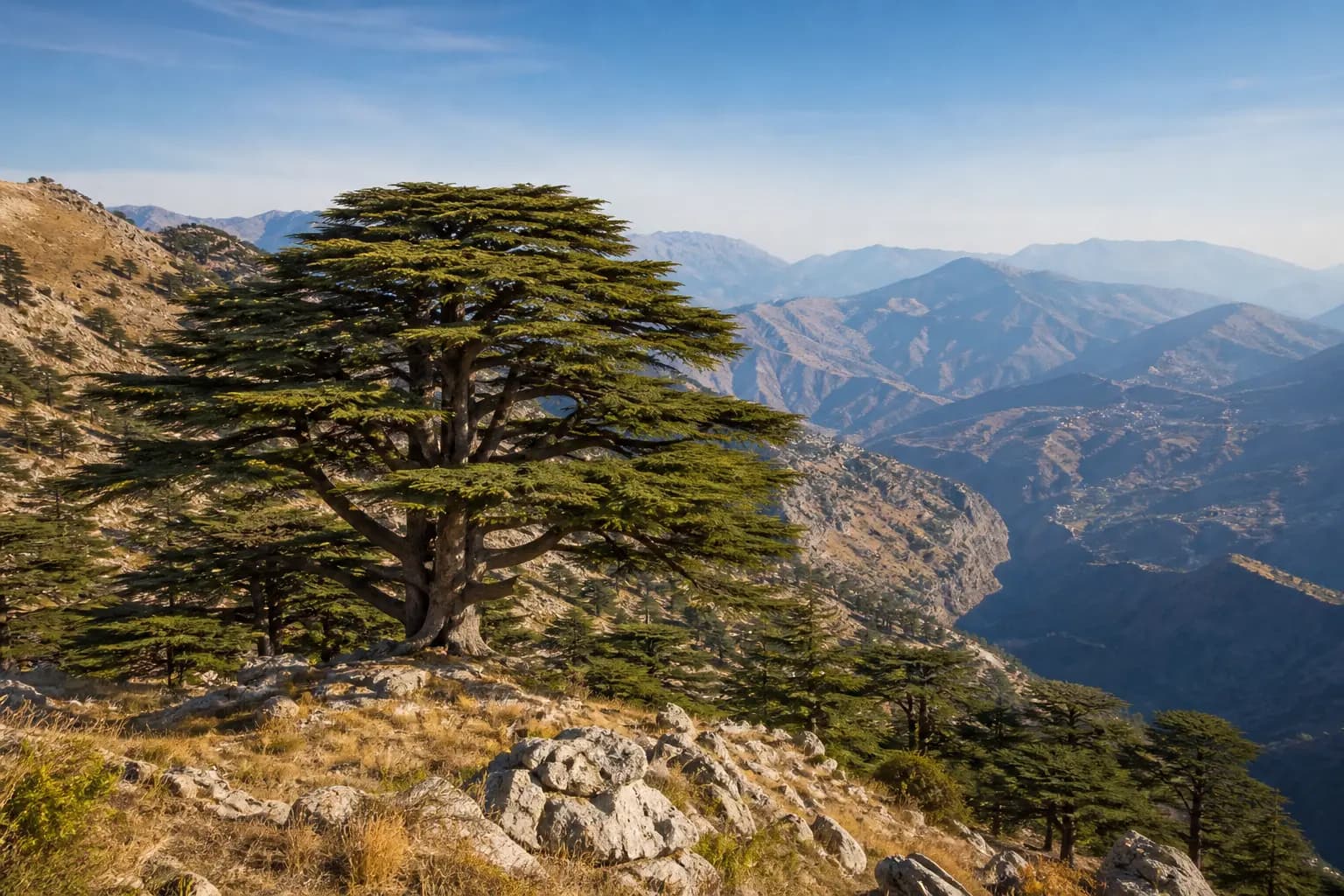
PinaceaeCedrus libani
The species
The Lebanon cedar – Cedrus libani
The Lebanon cedar is a conifer in the pine family. The species is native from southern Turkey to Lebanon and grows in mountain environments where winters can be cold and snowy.
Scientific nameCedrus libani
An accepted species in the family Pinaceae.
FormBroad, layered crown
Older trees often develop long, almost horizontal branches.
HabitatHigh mountains
The species is adapted to distinct seasons and snow at elevation.
Conservation statusVulnerable
Kew reports the IUCN global classification as Vulnerable.
Its durable, aromatic timber made the cedar highly sought after in the ancient world. The very qualities that gave the tree its reputation also contributed to centuries of felling.
Individual trees can live for a very long time, but age estimates vary widely and require dendrochronological evidence. This page therefore does not assign precise ages to individual trees.
The journeys of cedar timber
The cedar and civilisations
From the Lebanese coast, mountain timber was connected to port cities and trade routes. Cedar became both a building material and a symbol of power, reach and longevity.
Coast and mountains
The Phoenician trading world
Port cities such as Byblos, Sidon and Tyre connected timber from the mountains with markets around the eastern Mediterranean. Cedar is often associated with Phoenician seafaring, craftsmanship and trade, although the wood was also used by many other peoples and states.
Explore ByblosEgypt
Imported high-quality timber
Egypt had limited access to long, straight structural timber and imported wood from the Levant. Sources describe cedar being used for buildings, boats and other prestigious purposes.
Mesopotamia
Palaces, temples and royal power
Assyrian and Babylonian rulers described expeditions and access to mountain timber as signs of their reach. The cedar forest was both a real resource and a powerful motif.
Mediterranean
Timber that travelled far
Cedar's durability and dimensions made it attractive for roofs, gates, palaces, religious buildings and seafaring. The trade linked Lebanon's mountains to wider political and economic networks.
Myths and texts
Gilgamesh, the Bible and the mythical cedar forest
The cedar forest lived not only in buildings and trade. It also became a literary setting for strength, danger, beauty and humanity's encounter with something greater than itself.
Gilgamesh and Humbaba
In the Gilgamesh tradition, Gilgamesh and Enkidu travel to the cedar forest and encounter its guardian, Humbaba. The British Museum holds depictions of the scene. The forest's precise geography cannot securely be tied to present-day Bsharri, but the motif demonstrates the cedar's importance in the Mesopotamian imagination.
Strength, beauty and sacred buildings
The cedars of Lebanon appear in several biblical texts as images of stature, beauty and splendour. In the account of Solomon's Temple, King Hiram of Tyre supplies cedar from Lebanon; this should be read as a biblical tradition, not as modern archaeological proof of every detail.
Literary and religious texts are important historical evidence of how people understood the cedar. They are not the same as botanical data or a precise geographical identification.
From antiquity to the present
Timeline – the cedar through history
The dates are broad reference points. Trade, forestry and cultural ideas developed over long periods and cannot be reduced to a single linear story.
- 3rd millennium BCE
Egypt and timber from the Levant
Written sources show early timber trade between the Levant and Egypt. Byblos became an important coastal link for a country with limited access to long structural timber.
- 2nd millennium BCE
The cedar forest in the Gilgamesh tradition
Stories of Gilgamesh, Enkidu and Humbaba took shape and circulated in several languages and versions.
- 2nd–1st millennia BCE
Phoenician ports and trade networks
Byblos, Sidon and Tyre connected mountain resources with shipping and markets across the Mediterranean.
- Biblical monarchy
Solomon's Temple in the textual tradition
In the biblical account, Hiram of Tyre supplies cedar from Lebanon for the construction of the Temple in Jerusalem. It is a textual tradition, not modern proof of every building detail.
- 1st millennium BCE
Assyrians and Babylonians
Royal inscriptions and narratives associated access to cedar forests with imperial reach, building and power.
- Greek and Roman periods
Building timber and control
Cedar continued to be used across the Mediterranean world. During the Roman period, Emperor Hadrian had certain forest resources marked for control and imperial use.
- 19th–20th centuries
Intense pressure on the forests
Felling, demand for fuel, grazing, agriculture and wartime timber extraction contributed to further fragmentation and loss.
- 1998
World Heritage
The Qadisha Valley and Forest of the Cedars of God were inscribed on the UNESCO World Heritage List under criteria (iii) and (iv).
- Today
Protection, regeneration and responsibility
Conservation requires management, visitor controls, ecological monitoring and adaptation to a changing climate.
A changing landscape
How the great cedar forests declined
Ancient texts describe mountains behind the coastal cities that were far more heavily forested, but it is not possible to draw an exact map of one unchanging primeval forest. The landscape is better understood as larger and more connected stands of cedar within a mosaic of other woodland, grazing land and cultivation that changed over time.
There was no single moment when Lebanon's cedar forests disappeared. Their decline occurred in stages over millennia as demand for building timber was combined with fuel needs, agriculture, grazing, fire and recurring warfare.
The FAO's historical review describes a very long period of exploitation, with particularly heavy extraction in modern times. Today's scattered stands should therefore be understood as remnants in a landscape transformed by both people and climate.
Pressures over time
- Long-term felling for construction and fuel
- Grazing that prevented natural regeneration
- Agriculture and other land use
- Fire, conflict and infrastructure-related demand for timber
- Climate change as a new conservation risk
The forest today
Cedars of God – Horsh Arz el-Rab
The forest lies on Mount Makmel east of Bsharri and forms part of a serial World Heritage property together with the Qadisha Valley. UNESCO describes it as a remnant of Lebanon's historic cedar forests and one of the rare places where Cedrus libani still grows.
A visit is shorter and more concentrated than the name might suggest. Its value lies in the monumental forms, high-altitude setting and wider context – not in the idea that the forest is an endless, untouched wilderness.
Open the Cedars of God visitor guide- Local name
- Horsh Arz el-Rab
- Mountain
- Mount Makmel
- Elevation
- 1,900–2,050 m
- UNESCO
- Part of World Heritage property 850
A connected cultural landscape
The UNESCO World Heritage property and Qadisha Valley
The property's formal name is Ouadi Qadisha (the Holy Valley) and the Forest of the Cedars of God. The valley and forest are separate parts of the same heritage property, connected by geography, history and a mountain landscape in which people sought materials, farmland, refuge and spiritual seclusion.
The Qadisha Valley's cliffs, caves, terraces, monasteries and hermitages reflect very early Christian monastic traditions. UNESCO also emphasises the need for carefully managed visitor pressure, effective stewardship and protection of the landscape's visual integrity.
- Inscribed in 1998
- Criteria (iii) and (iv)
- About 1,720 hectares
- A monastic landscape and cedar forest within one World Heritage property
National identity
The cedar as Lebanon's national symbol
The cedar stands at the centre of Lebanon's flag and is specified in the country's constitution. It connects the nation with its mountain landscape and with a history older than its present-day borders.
Earlier pilgrims and travellers wrote about the surviving cedars, and modern writers and artists have continued to use the tree as an image of belonging, endurance and loss. Its symbolism reaches beyond any single religious or political tradition.
The symbol's power also lies in a contrast: the tree evokes endurance and height, yet its real forests are vulnerable and require active protection.
Article 5 of the Lebanese Constitution specifies a green cedar in the white central band of the flag.
The town above the valley
Bsharri – the mountain town above Qadisha
Bsharri sits dramatically at the head of the Qadisha Valley and is the natural base for Cedars of God. The town gives the journey a human scale, with everyday life, services, churches, viewpoints and the road continuing up towards the forest.
The town's identity is closely connected to the Qadisha Valley's Christian cultural landscape and to generations who have lived from and within the mountain environment. Its dense hillside buildings and the valley's terraces make the relationship between nature and human history visible.
Bsharri is also the birthplace of writer and artist Gibran Khalil Gibran. The Gibran Museum preserves his manuscripts, library, personal belongings and art in a former monastery – an important complement to the area's natural and World Heritage experiences.
Birthplace of Gibran Khalil Gibran
Gibran Museum in a former monastery
Base for Cedars of God
Gateway to the Qadisha Valley
Practical information
Visitor guide – plan for the mountain, not just the distance
The Bsharri area needs more flexibility than an ordinary coastal excursion. Elevation gain, mountain roads, weather and daylight determine how much you can realistically cover.
Green and changeable
Good for landscapes and cooler walks, although lingering snow and rain can affect higher roads and paths.
Cooler than the coast
Often the easiest season for combining the forest, Bsharri and Qadisha Valley. Sun protection and water are still essential at elevation.
Clear air and a quieter pace
Well suited to walks and viewpoints. Days become shorter and evenings quickly turn cooler.
Snowy landscapes with greater demands
The area can offer skiing and snow, but road conditions, equipment and open businesses must be verified on the day.
From Beirut
Allow for a long day trip; traffic and mountain roads determine the journey time.
From the northern coast
Tripoli or Batroun can be combined with a private driver and generous time margins.
Short excursion
Prioritise Cedars of God and a brief stop in Bsharri; do not try to squeeze in the entire valley.
Full day
Allows time for the forest, Bsharri and one carefully chosen stop in the Qadisha Valley.
Overnight stay
Best for a slower pace, more of the valley and less dependence on traffic conditions.
Good combination
Cedars of God, Bsharri and selected stops in the Qadisha Valley.
Bring
Layers, sturdy shoes, water and an offline map.
Further reading
Sources and further reading
Historical and botanical statements on this page have been checked against institutional sources. Travel conditions can change and should be verified close to your visit.
- UNESCO World Heritage CentreOuadi Qadisha and the Forest of the Cedars of God
- Gibran National CommitteeGibran Museum and its collection
- Kew Science – Plants of the World OnlineCedrus libani
- FAOForest history of the Near East
- FAO UnasylvaSaving the cedar of Lebanon
- British MuseumGilgamesh, Enkidu and Humbaba
- Gibran National CommitteeGibran Museum
- Constitutional Council of LebanonThe Lebanese Constitution, Article 5
Two days for Bsharri, the cedars and Qadisha
On the first day, travel into the mountains in daylight, visit the protected cedar grove if access permits and leave time for Bsharri and Gibran Museum. Allow roughly an hour for a short forest visit as a planning estimate; photography, weather and permitted paths can change the pace.
Confirm Gibran Museum's visiting arrangements with the Gibran National Committee before setting the order of your first day. The museum preserves the author's paintings, manuscripts and belongings in Bsharri; it offers a different focus from the outdoor cedar and valley visits.
Keep the second day for one selected valley route or monastery visit. Agree the trailhead, ascent, walking time and collection point with a knowledgeable guide. A short valley stop after the cedars is possible, but it is not equivalent to a full day walking in Qadisha.
Choose the walk before booking the day
A viewpoint, the protected grove and a valley hike involve very different effort. Qadisha routes can include steep descents and climbs, uneven paths and limited vehicle access. Ask for the actual route and total elevation change rather than accepting a general description such as an easy walk.
Families should choose short, clearly identified outings with a straightforward return. For reduced mobility, confirm the current surface and access at each site directly. Allow a weather alternative in town and avoid committing to an unfamiliar trail simply because the drive has already been made.
Linking the mountains with the northern coast
Bsharri can follow a stay in Tripoli or Batroun as part of a northern route. The change from coast to mountain adds time, winding roads and different weather, so leave a dedicated travel period and reach accommodation before dark.
Do not assume a mountain crossing towards Baalbek is usable because it appears on a navigation app. High roads may be affected by snow or other closures; confirm the actual route locally and keep the Bekaa Valley as a separate plan if access is uncertain.
Find the right area
Areas to know
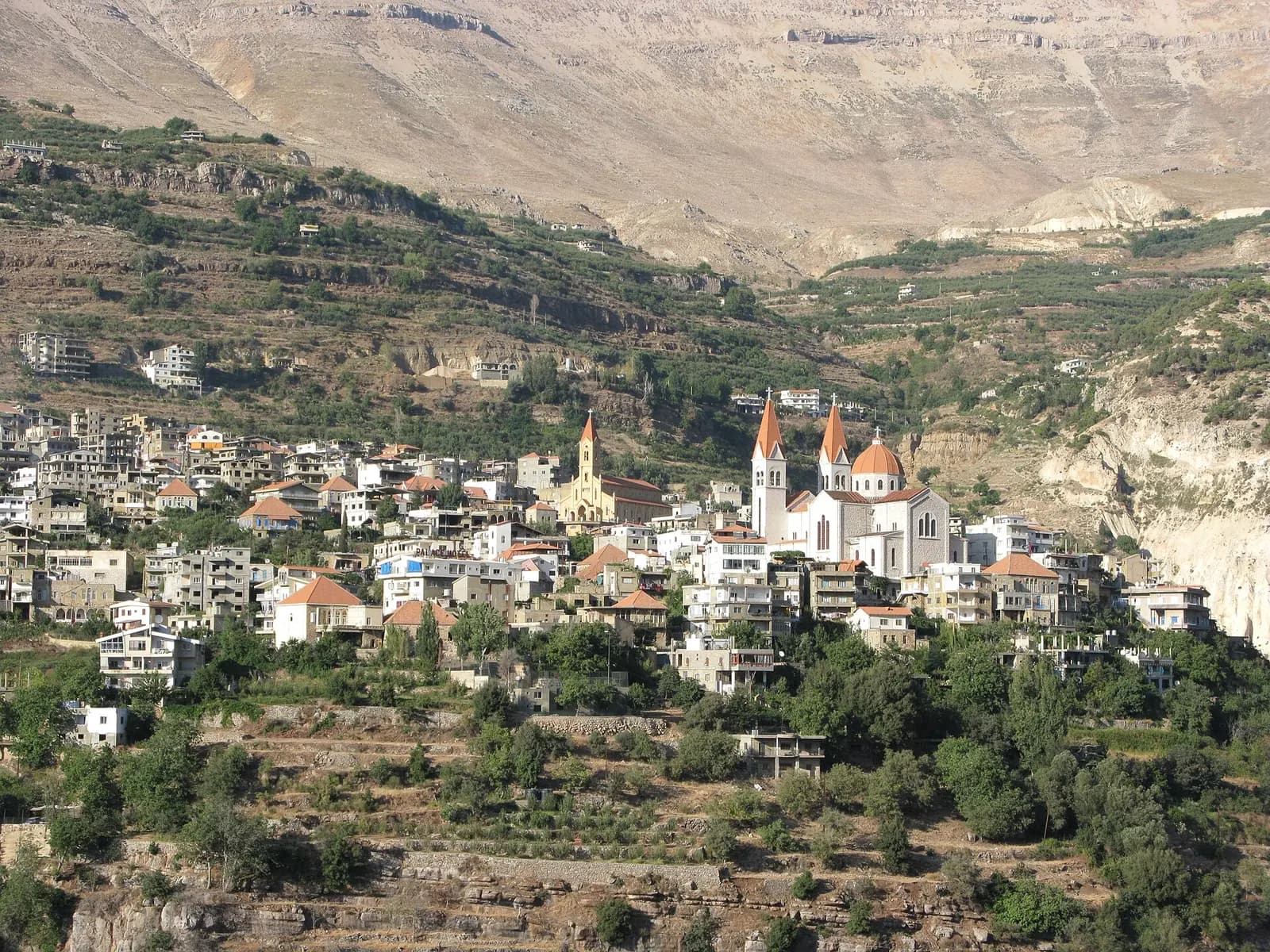
Bsharri
Mountain town, service centre and birthplace of writer and artist Gibran Khalil Gibran.
Best for: services, culture and a base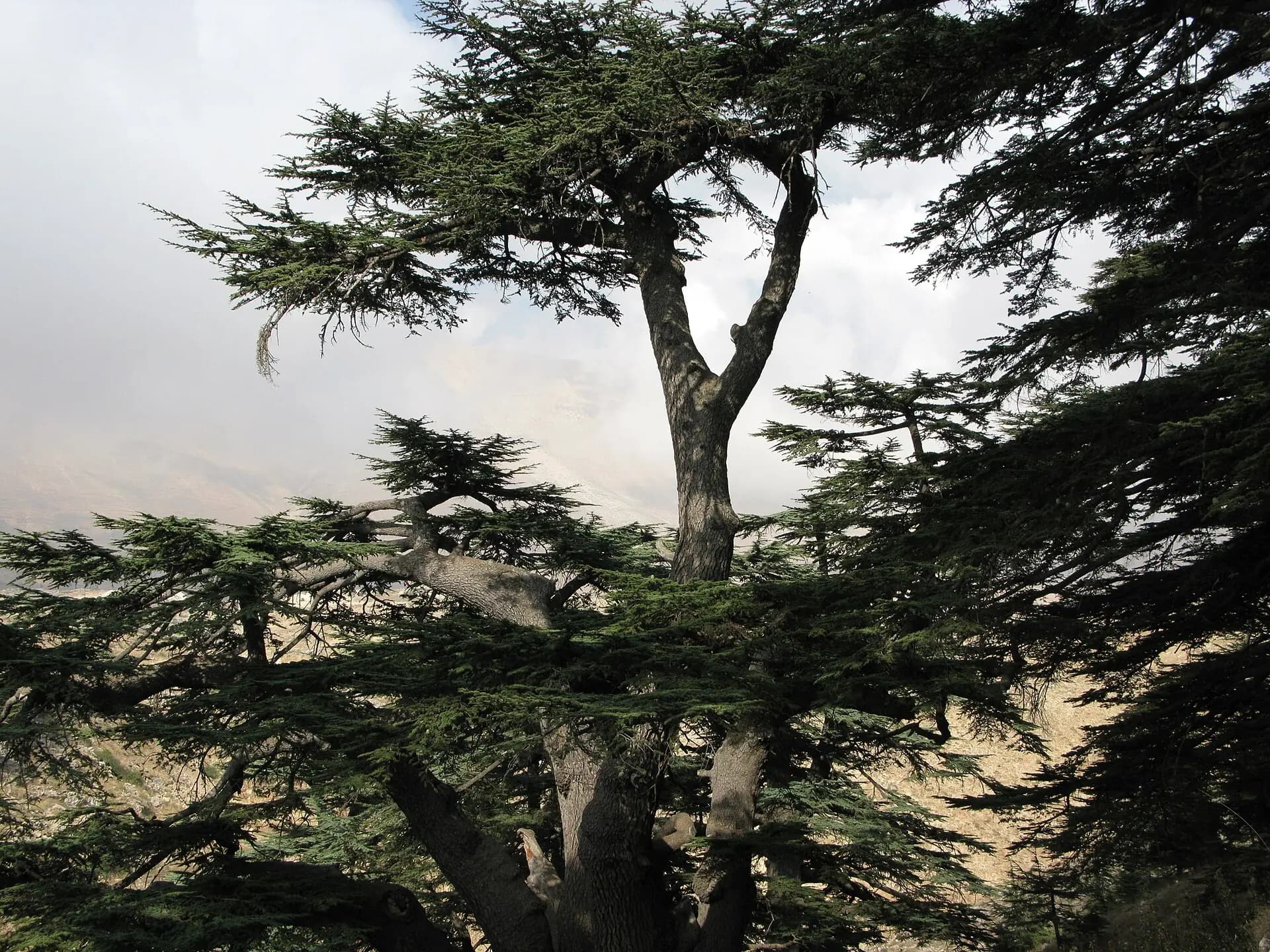
Cedars
High mountain area around the protected grove and seasonal outdoor activities.
Best for: nature and mountain air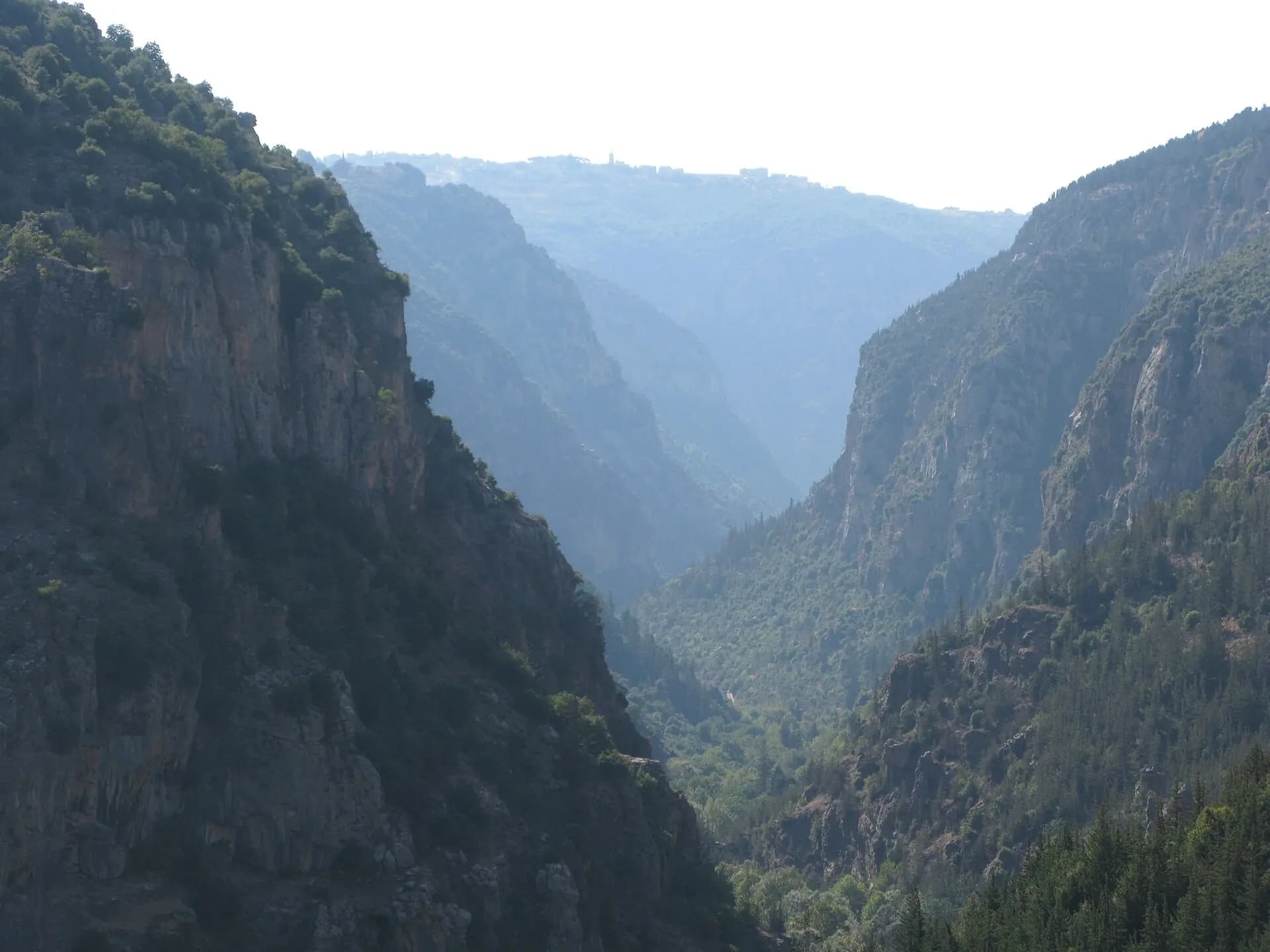
Qadisha Valley
A deep valley of monasteries, caves, terraces and paths through steep terrain.
Best for: walking and cultural landscapesWhat to experience
Attractions
Cedars of God
A protected grove within the UNESCO World Heritage property. Stay on marked paths and follow site rules.
Read the Cedars of God guideQadisha Valley
A World Heritage landscape of monasteries and hermitages set into steep cliffs. A local guide is sensible for longer walks.
Read the Qadisha Valley guideGibran Museum
Manuscripts, art and personal objects linked to Gibran Khalil Gibran, housed in a former monastery. Check current hours directly.
Mountain landscapes
Viewpoints, walks and winter activities depend directly on weather, daylight and road conditions.
Flavours
Food & restaurants
Arrange meals as part of the mountain day. Bsharri offers a more practical service base than a remote trailhead, while higher accommodation and restaurants may operate seasonally. Lebanese mezze, bread, grilled dishes and seasonal produce make a good shared lunch; ask your host about breakfast and packed food before an early walk.
Practical information
Getting around
The journey from Beirut combines coastal traffic with a climb into the mountains. Use an experienced driver from a recognised operator, or a hire car only with suitable conditions, equipment and insurance. Confirm the full route before departure, particularly in winter.
Bsharri, Cedars of God and valley trailheads are separate locations. Arrange transport between them and agree collection before a one-way walk; do not rely on finding a car at the bottom of the valley.
Keep a daylight margin for the return drive. A journey estimate based on a clear coastal road does not account for steep final roads, snow, fog or stops in the valley.
Read the full transport guideWhere to stay
Where should you stay?
Bsharri
Confirm heating, hot water, parking and seasonal restaurant availability.
- Best for
- culture, services and a practical base
- Strengths
- near Gibran Museum and routes into the valley
Cedars
Verify road access, weather and open businesses immediately before travel.
- Best for
- the forest and winter activities
- Strengths
- close to Cedars of God
Before your trip
Good to know
Mountain forecast
Pack layers and check conditions for Bsharri, the cedar grove and the chosen walking route separately. A warm forecast for Beirut does not describe the mountains.
Equipment and route
Take suitable footwear, water and an offline map. Agree the route with a local guide for longer valley walks and keep to known paths.
Read more about Equipment and routeProtected forest
Use permitted paths, avoid climbing trees and leave plants, branches and cones in place. Follow the current guidance at the grove entrance.
Winter accommodation
Confirm heating, hot water, backup electricity, meals and road access directly with the property. Ask what happens if snow prevents arrival.
Read more about Winter accommodationWalking and winter sports insurance
Check coverage for your actual activity, altitude and any guiding requirements before booking. Ski operations and snow conditions need separate confirmation.
Read more about Walking and winter sports insuranceOfficial travel advice
Read the current government advice and regional map before booking. Check the entire route as well as the destination, and review advice again before departure.
Foreign, Commonwealth & Development Office ↗Keep exploring
More destinations you may like
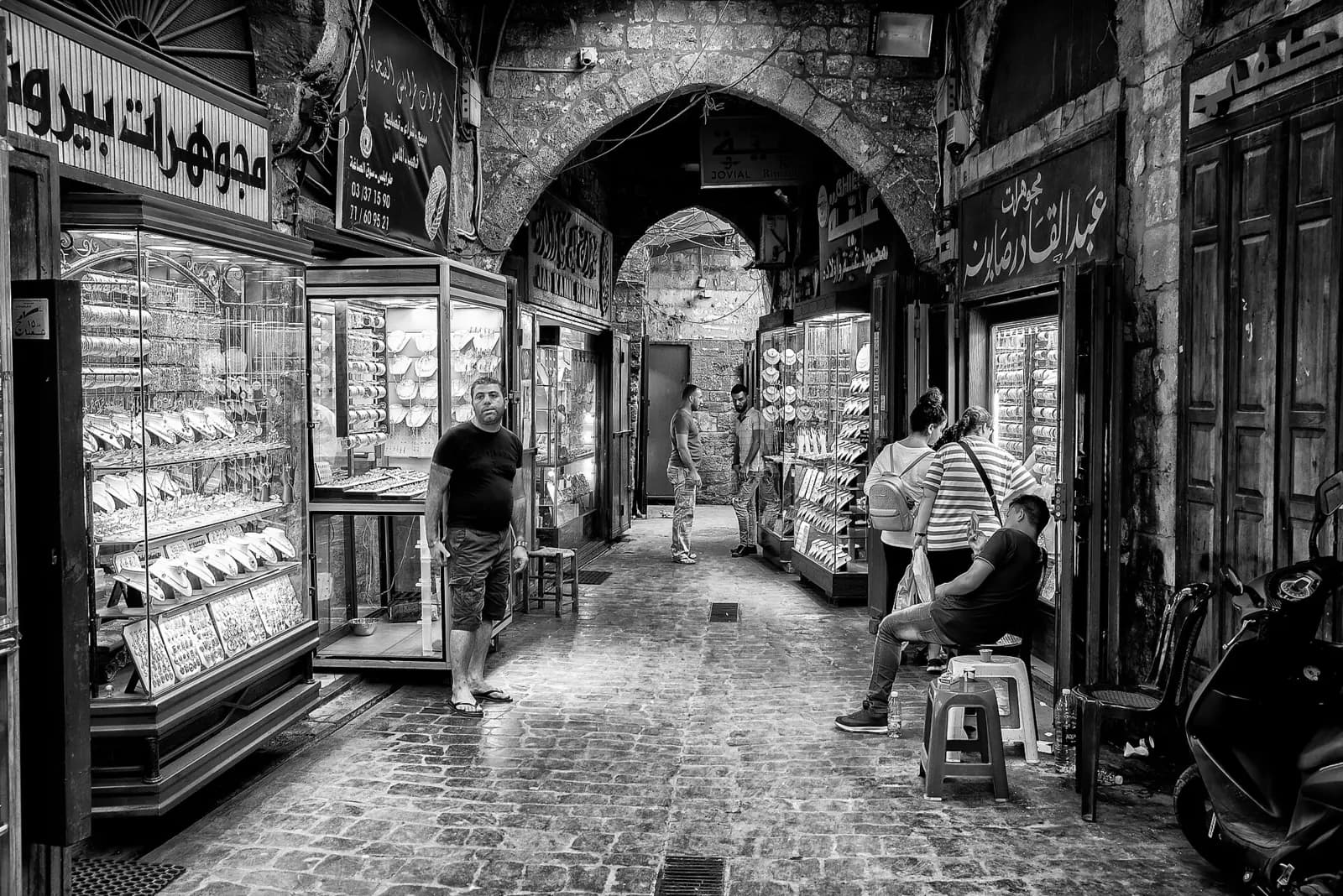
Tripoli
Working souks, Mamluk architecture, celebrated sweets and the coastal district of El Mina.
Read the Tripoli guide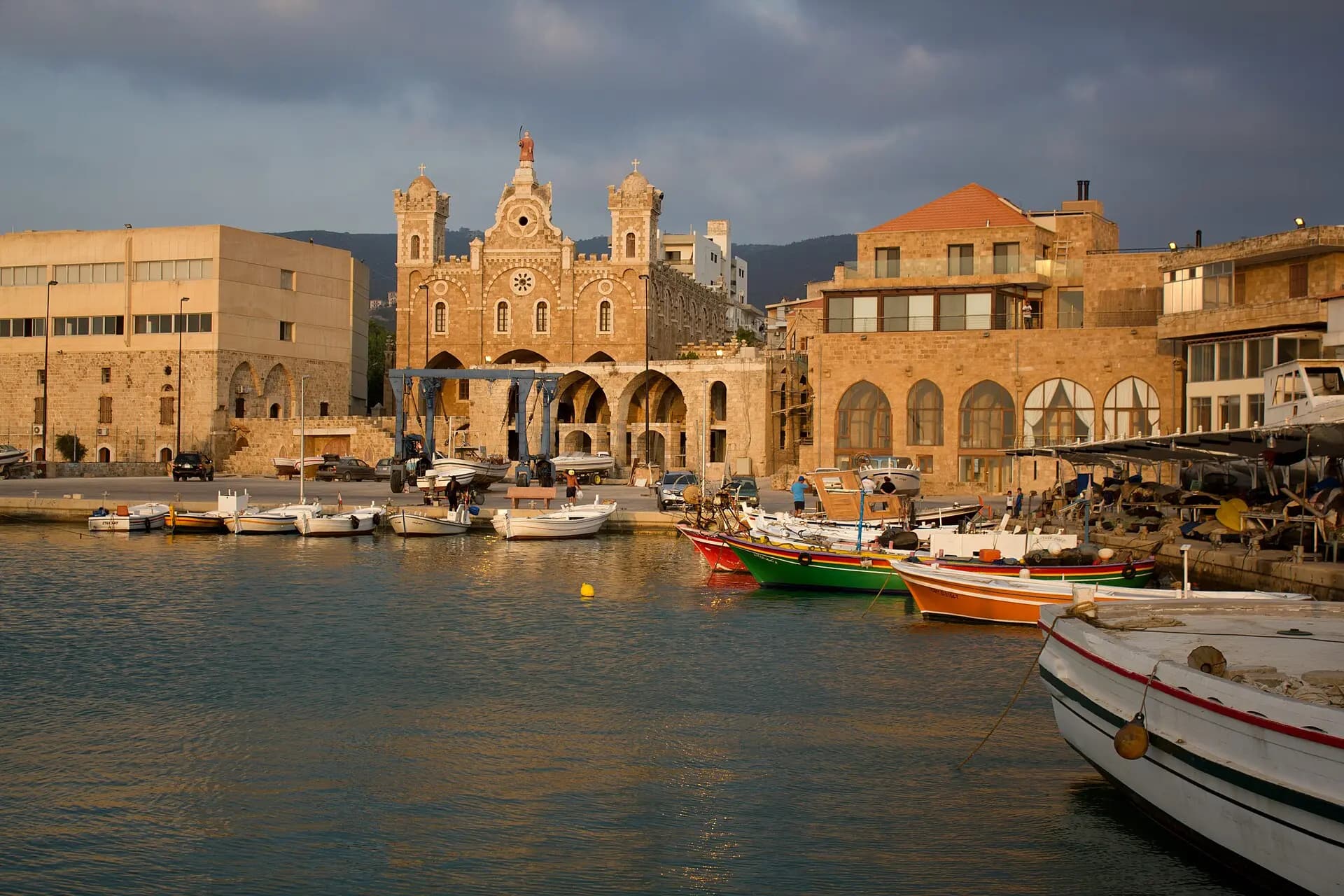
Batroun
Historic coastal town with old lanes, swimming places, restaurants and a lively summer scene.
Read the Batroun guide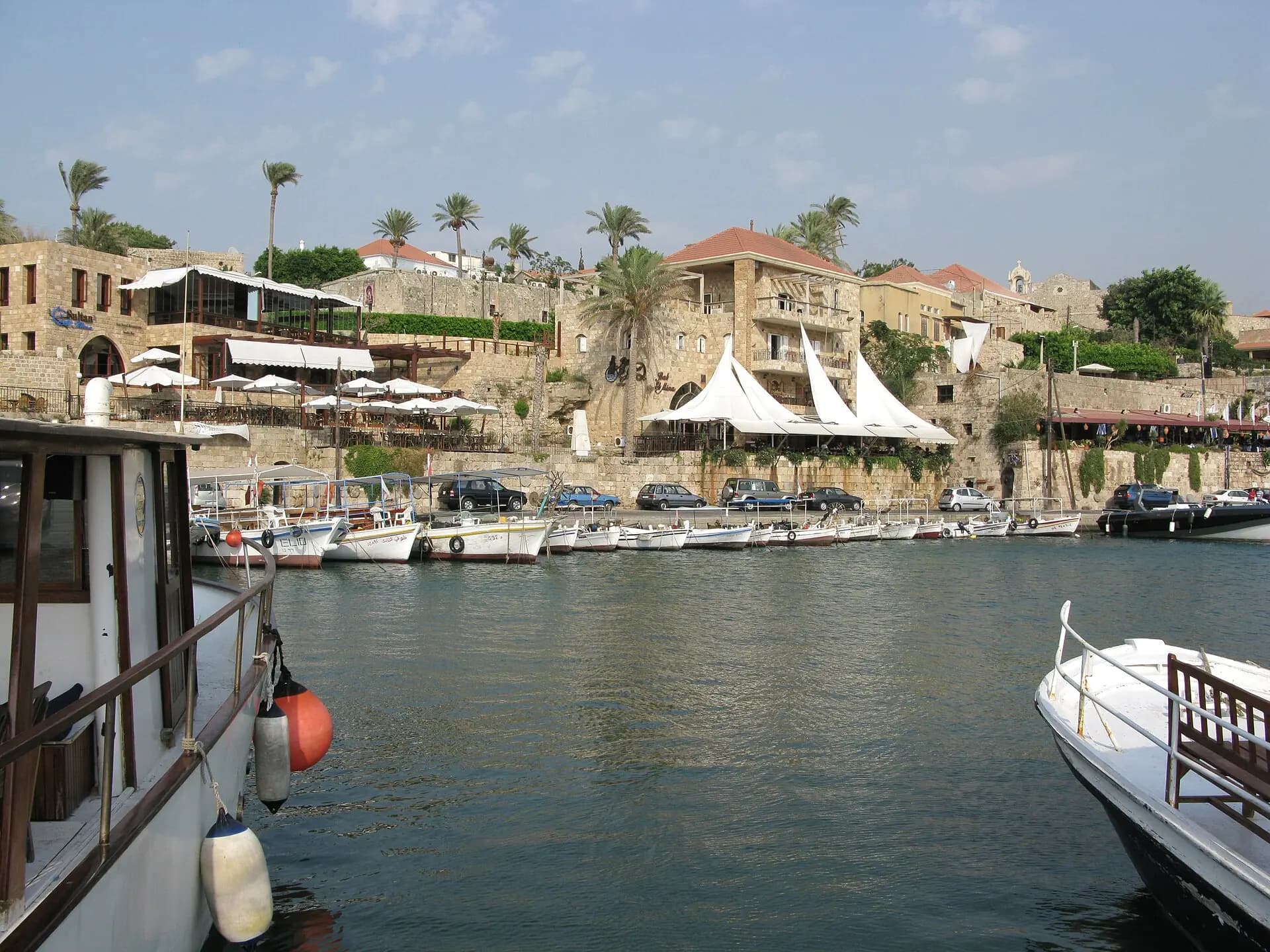
Byblos
A UNESCO-listed harbour town where archaeology, a Crusader castle and stone streets sit close together.
Read the Byblos guideFrequently asked questions about Bsharri and Cedars of God
What is Cedars of God?
Cedars of God, or Horsh Arz el-Rab, is a protected grove of Lebanon cedars on Mount Makmel above Bsharri. It forms part of a UNESCO World Heritage property with the Qadisha Valley.
Is Cedars of God a UNESCO World Heritage site?
Yes. The grove and Qadisha Valley form one World Heritage property inscribed in 1998 under criteria (iii) and (iv).
Can I visit throughout the year?
The area has distinct seasons, but snow and weather can affect roads, facilities and access. Check local conditions immediately before a winter visit.
Can Cedars of God and Qadisha Valley be combined?
Yes, but choose a limited valley stop on a day trip. Longer walks and monastery visits are better with an overnight stay and a local guide.
Why is the cedar Lebanon’s symbol?
The cedar connects the country’s mountain landscape with its long history and cultural continuity. A green cedar stands at the centre of Lebanon’s flag.
How old are the cedars in Cedars of God?
Several trees are very old, but estimates vary and age cannot be established reliably by appearance alone. We therefore avoid assigning a precise age to individual trees without documented dendrochronological evidence.
Why are Lebanon’s cedars so famous?
Cedar timber was prized in antiquity for its strength, durability, size and scent and traded far beyond Lebanon’s mountains. The trees also became powerful images in Mesopotamian and biblical texts and remain part of Lebanon’s national identity.
Is Cedars of God the world’s oldest cedar forest?
It is a historically and culturally important remnant of Lebanon’s cedar forests, but the phrase ‘world’s oldest cedar forest’ is difficult to support scientifically. Its value lies in the old trees, World Heritage status and exceptionally long cultural history.
How far is Bsharri from Beirut?
Map distance says less than journey time because traffic and the final mountain roads vary. Plan it as a long day trip or stay overnight for reasonable time in the forest, Bsharri and Qadisha Valley.
How long do I need at Cedars of God?
The forest visit itself can be compact, but the journey works better with a full day for Cedars of God and Bsharri. An overnight stay leaves room for Qadisha Valley without a rushed driving schedule.
Is there skiing near Bsharri?
Yes. The Cedars area is known for winter activities and skiing when snow and operations permit. Verify lift status, roads, equipment and insurance immediately before visiting.
What elevation is Cedars of God?
UNESCO places the forest on Mount Makmel at roughly 1,900 to 2,050 metres above sea level. This brings distinctly cooler and more changeable weather than on the coast.
What is the connection with the Epic of Gilgamesh?
In the Gilgamesh tradition, Gilgamesh and Enkidu travel to a cedar forest and meet its guardian Humbaba. The story shows the cedar’s importance in Mesopotamian imagination, but that forest cannot be identified securely with today’s Cedars of God.
Where do the cedars of Lebanon appear in the Bible?
Cedars recur in several biblical books as images of height, strength and beauty. In the account of Solomon’s Temple, King Hiram of Tyre is connected with cedar timber supplied from Lebanon.
Why was cedar important to the Phoenicians?
The Phoenician port cities linked the mountains to trade routes around the Mediterranean. Cedar’s dimensions and durability made the timber desirable for buildings, seafaring and prestige projects.
Should I stay in Bsharri or near the Cedars?
Bsharri suits town services, Gibran Museum and access towards the valley. The higher Cedars area suits proximity to the grove and winter activities when operating. Confirm heating, meals and road conditions for either base.
Is the cedar grove the same as a Qadisha Valley hike?
No. The grove is a compact protected site at a higher elevation, while Qadisha walks follow a separate valley landscape with potentially steep terrain. Book the route and transport appropriate to each.