
CountryLebanon
Souks and history in northern Lebanon
Tripoli
Tripoli in northern Lebanon brings together working souks, Mamluk buildings, a hilltop citadel and the coastal district of El Mina. It rewards a full day for history and food, with careful planning of the route and the current official regional travel advice.
Overview
Quick facts
RegionNorthern Lebanon
International arrivalBeirut Airport (BEY), then road transfer
Best forHistory, food and urban life
Tripoli
What would you like to discover?
The city and its character
About Tripoli
The historic centre is organised around trade and daily life as much as sightseeing. Market lanes, religious buildings and courtyards make more sense with time to pause, ask permission and understand what is still in use.
Tripoli also has a different architectural story at the Rachid Karami International Fair, designed by Oscar Niemeyer and inscribed by UNESCO in 2023. El Mina, nearer the sea, is a separate part of the urban area. These places need transport between them rather than being treated as a single old-town walk.
A day in the old city and El Mina
Where current advice permits the route, start with the citadel if access is confirmed, then devote the rest of the morning to a manageable section of the souks. A local guide can explain the differences between khans, religious buildings and working market streets, as well as suitable visitor access.
Build lunch and a sweets stop into the plan before arranging transport to El Mina for harbour views and a shorter waterfront walk. A second day leaves space for modern architecture or more old-city history; it also prevents a market visit from becoming a rushed stop on a long coastal drive.
Visiting markets and religious buildings respectfully
Ask before entering courtyards, workshops or religious buildings, and avoid interrupting prayer or trade. Dress modestly at places of worship and follow the specific guidance at the door. Friday prayers and religious holidays can affect the best time for a visit.
Photography needs more care than a normal street walk: follow official advice, restrict photographs to appropriate tourist sites and never photograph checkpoints, security personnel or military buildings. Obtain permission before including people or the inside of a business.
Planning for heat, children and optional boat trips
The citadel and streets can involve steps, uneven ground and summer heat. For a family visit, choose a few sights and allow a proper lunch break rather than expecting children to walk every souk. Ask about access and a suitable drop-off before committing to the citadel.
Palm Islands Nature Reserve is a separate outing, subject to conservation rules, weather and confirmed boat operations. Do not build an island trip into the same short day as the entire old city. Verify permission, lifejackets, landing arrangements and the return plan with a reputable operator.
Find the right area
Areas to know
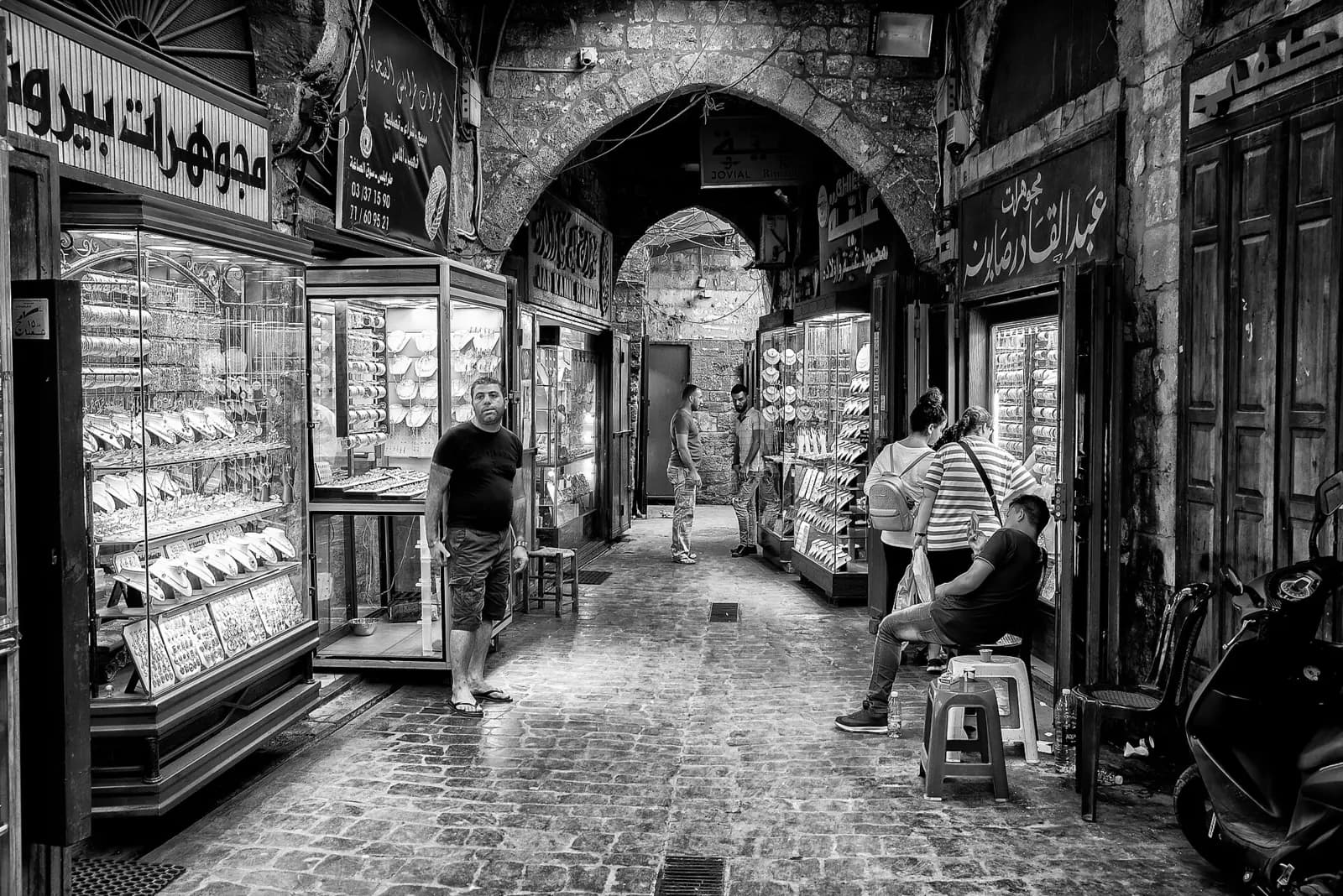
Historic centre
Souks and historic buildings in a dense network of streets.
Best for: architecture and markets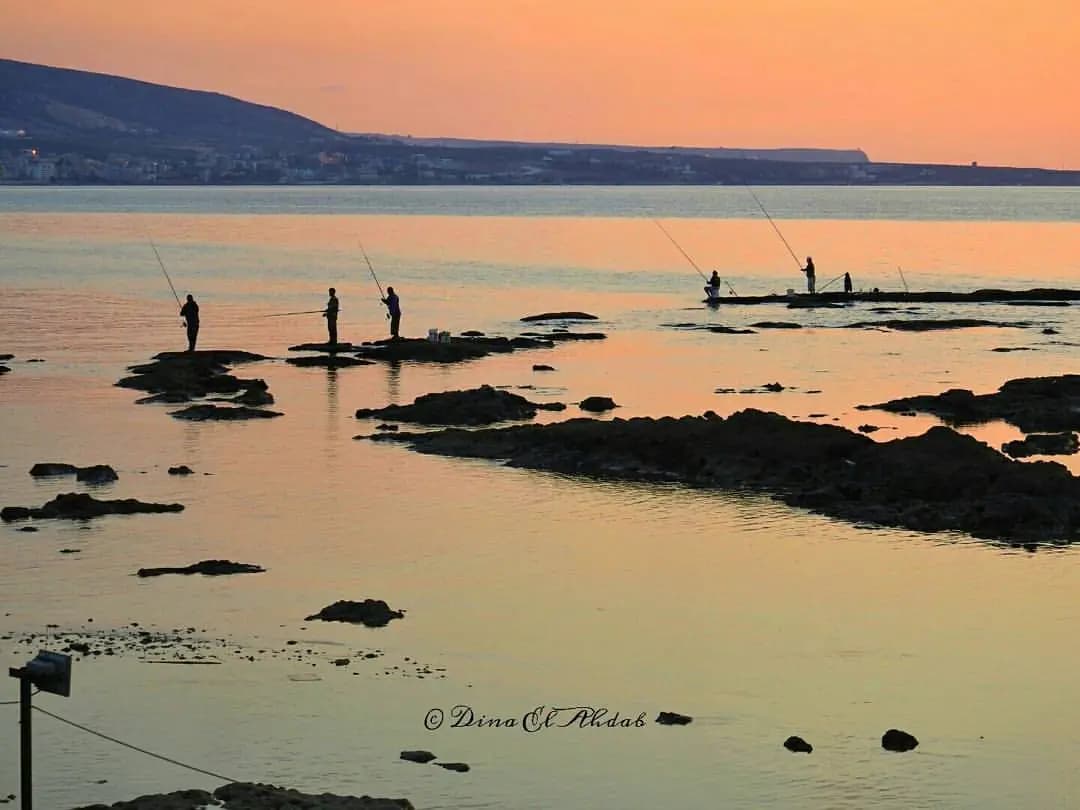
El Mina
The coastal district, with a harbour, cafés and a slower rhythm.
Best for: the sea and evening walksWhat to experience
Attractions
The souks
Connected market streets for crafts, spices, soap, bakeries and everyday shopping.
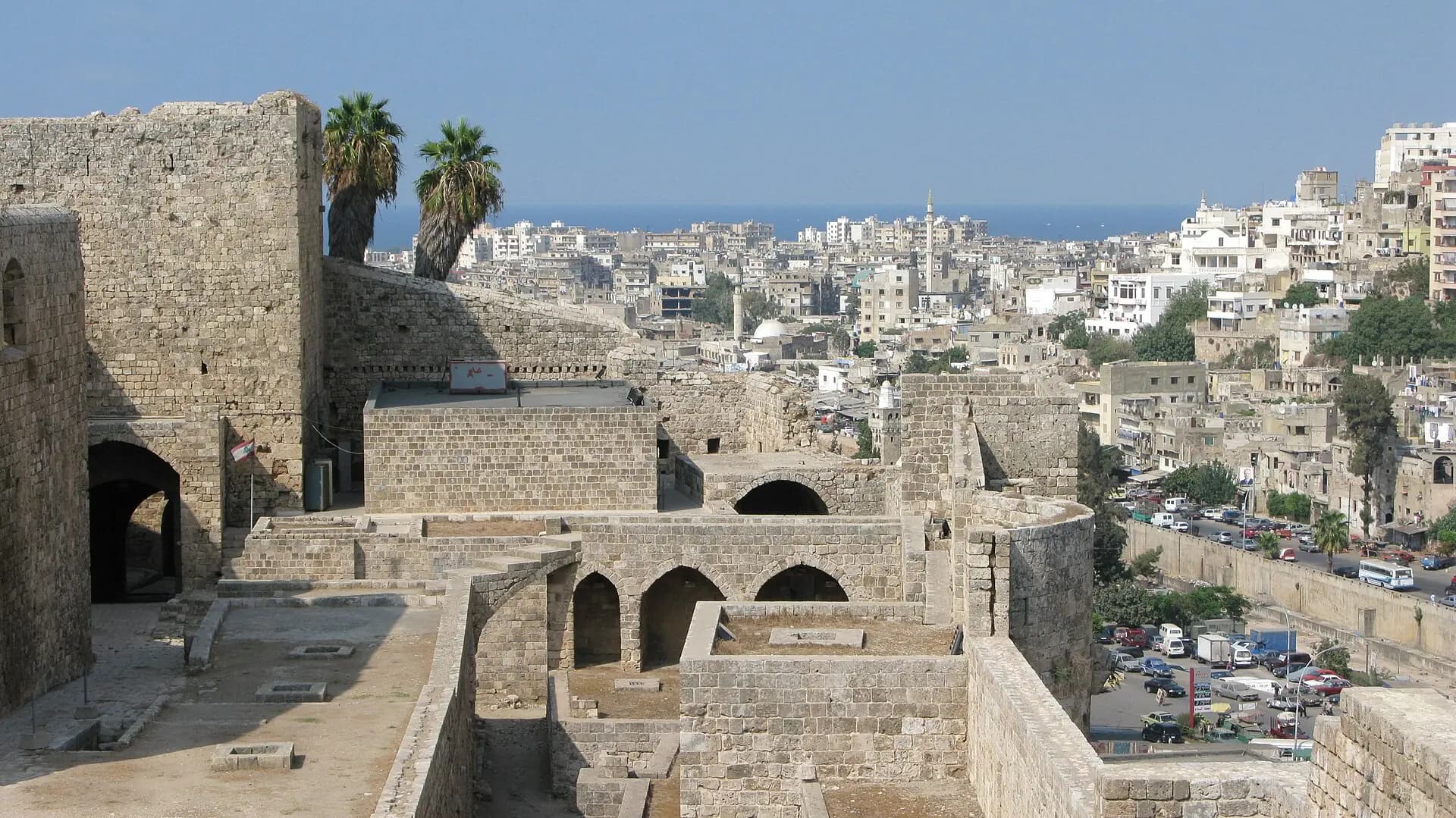
Tripoli Citadel
The fortress above the old city contains Crusader, Mamluk and Ottoman additions. Expect steps and exposed areas; confirm current admission and accessible routes before arrival.
Mamluk architecture
Mosques, madrasas, hammams and khans that should be visited respectfully.
El Mina
Tripoli's seafront district, with harbour life and cafés.
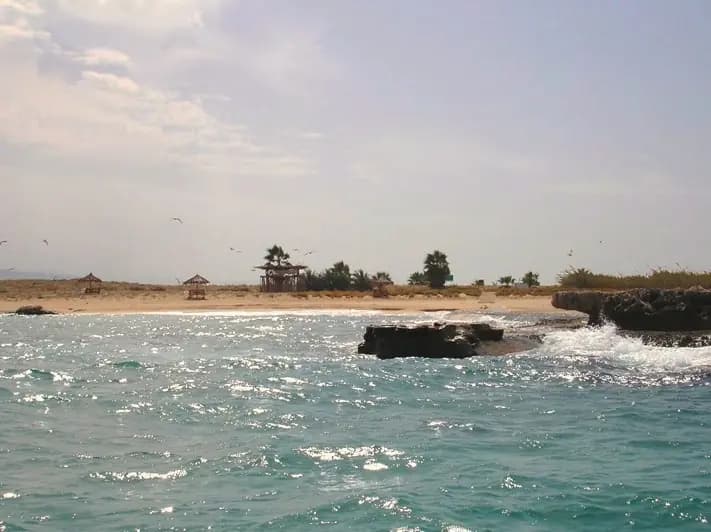
Rabbit Island (Palm Island)
The largest island in Palm Islands Nature Reserve is normally reached by boat when weather, season and current rules allow. Check local access on the day.
Rachid Karami International Fair
Oscar Niemeyer’s modernist fair complex is a UNESCO World Heritage site. Confirm authorised visitor access; it is a conservation site, and visitors should not enter closed structures.
Flavours
Food & restaurants
Leave room for Tripoli's sweets as well as lunch. Hummus, foul (cooked fava beans), pastries and bread suit a morning stop; El Mina gives a different setting for a fish meal. Ask what has been freshly prepared. Buy only as much perishable pastry as you can carry and store appropriately on a warm travel day.
Practical information
Getting around
Most international visitors plan arrival through Beirut Airport, followed by road travel north when the route is appropriate. Arrange a recognised operator or accommodation transfer and check current regional advice for Tripoli and every part of the journey.
The old city, El Mina and the international fair are distinct stops. Use an agreed pick-up location between visits, especially if a guide is meeting you in the souks. If considering a bus from the coast, verify the operator, arrival point and return service before departure.
Read the full transport guideBEY
Arriving for a visit to northern Lebanon
Use a confirmed, bookable flight to Beirut–Rafic Hariri International Airport as the basis of your arrival plan, then arrange the road transfer separately. An airport name or code in northern Lebanon is not evidence of an operating passenger route.
Official Beirut Airport informationWhere to stay
Where should you stay?
Near the historic centre
Useful for an early start in the souks; check local transport arrangements.
- Best for
- souks and architecture
- Strengths
- close to major sights
El Mina
A good fit if evenings by the water matter most.
- Best for
- cafés and the sea
- Strengths
- waterfront setting and a different rhythm
Before your trip
Good to know
Choose the exact route
Tripoli travel advice can distinguish between parts of the city. Check the official map and have a clear local route rather than relying on a broad city label.
Foreign, Commonwealth & Development Office ↗Market opening
Markets have different rhythms from resort restaurants. Check the day with a local guide, particularly around Friday prayers, Ramadan and public holidays.
Where to sleep
Stay near the historic centre for early market visits or in El Mina for a waterfront setting. Confirm evening transport, room access, power and parking.
Read more about Where to sleepA northern itinerary
An overnight stay can link Tripoli with the northern coast or a separate journey towards Bsharri. Do not assume mountain stops fit into the same city sightseeing day.
Read more about A northern itineraryKeep exploring
More destinations you may like
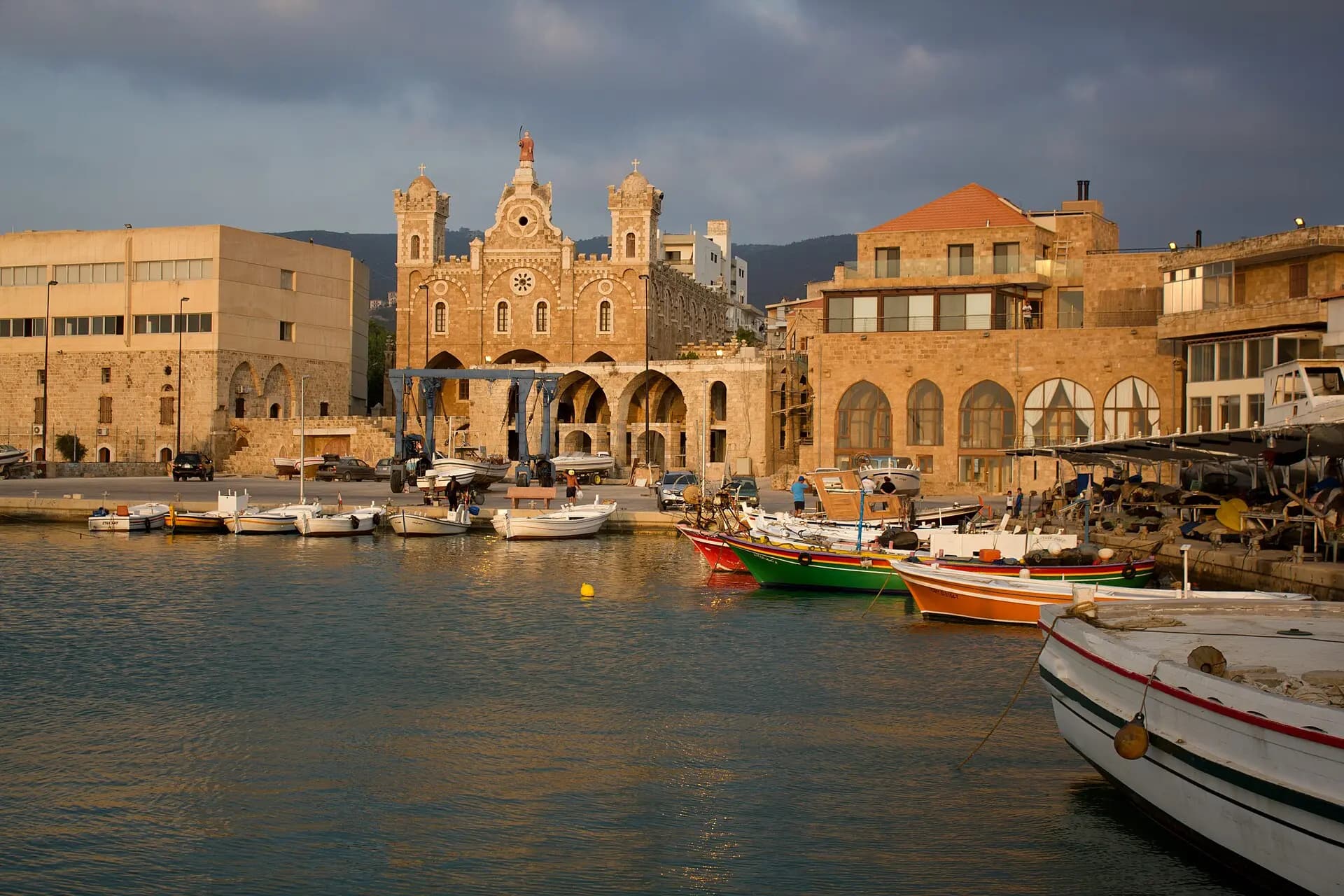
Batroun
Historic coastal town with old lanes, swimming places, restaurants and a lively summer scene.
Read the Batroun guide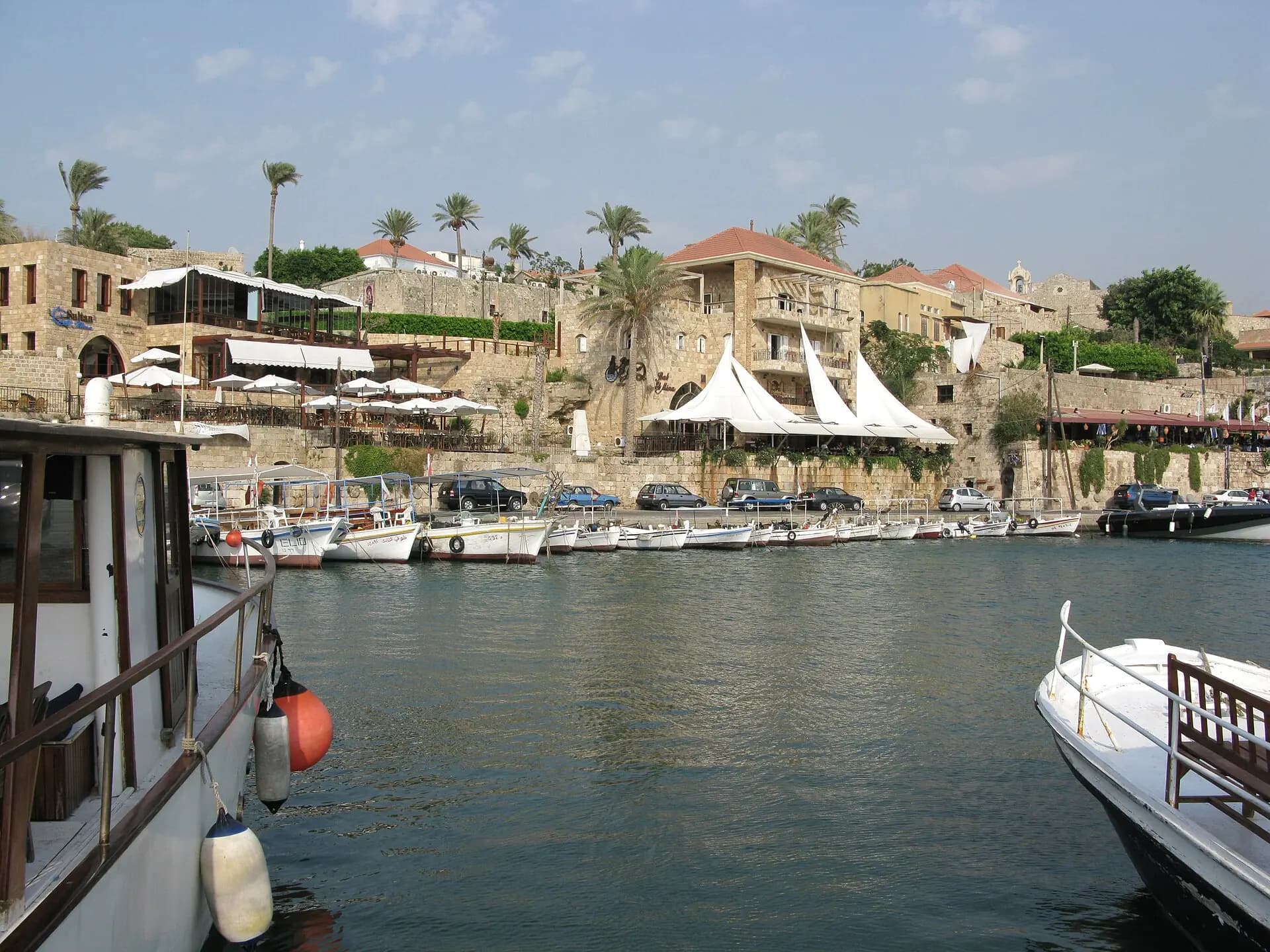
Byblos
A UNESCO-listed harbour town where archaeology, a Crusader castle and stone streets sit close together.
Read the Byblos guide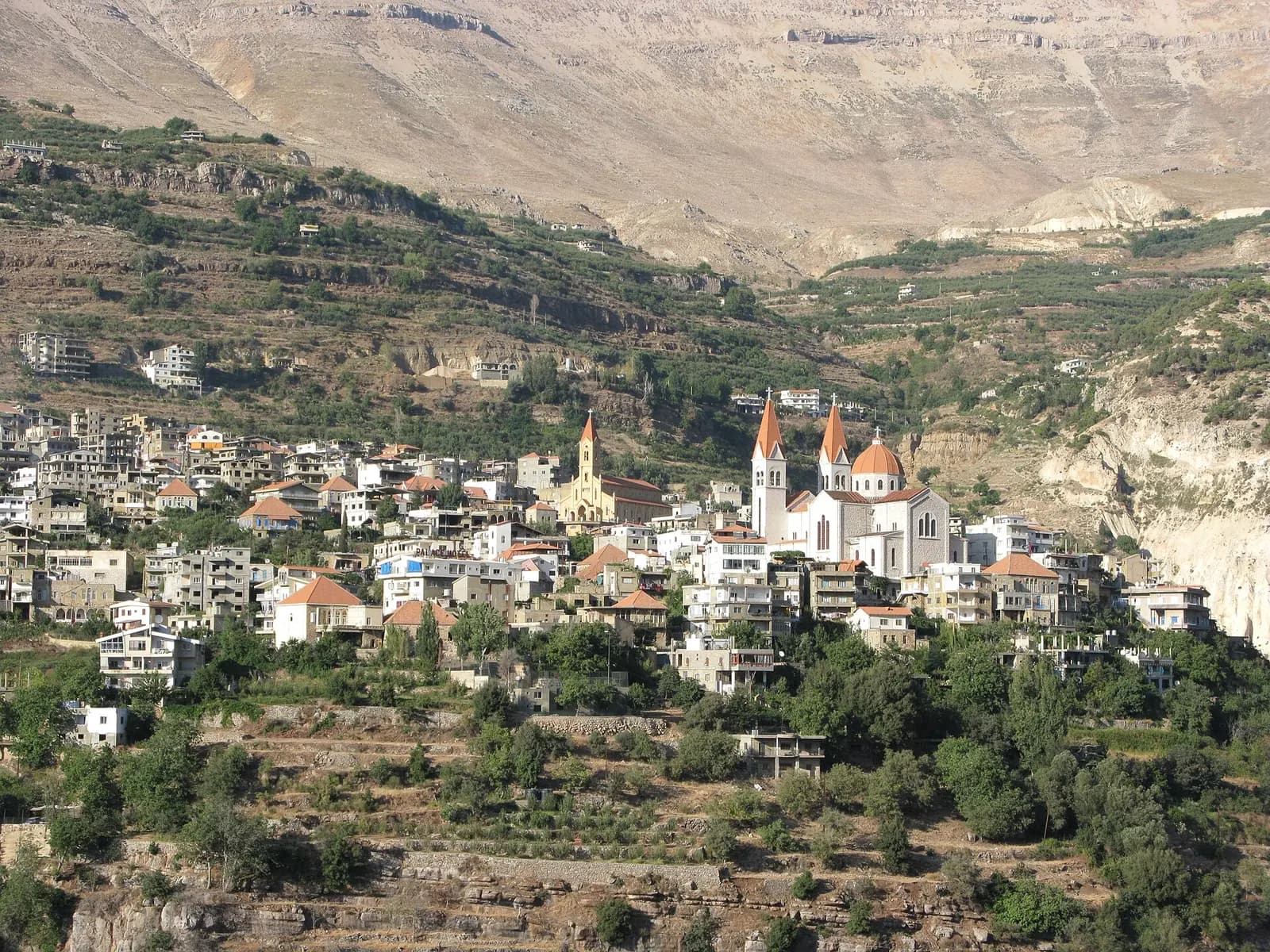
Bsharri and the Cedars
A mountain base for Qadisha Valley, Cedars of God and some of Lebanon's most dramatic scenery.
Read the Bsharri and the Cedars guideFrequently asked questions about Tripoli
Is this Tripoli in Lebanon or Libya?
This guide covers Tripoli in northern Lebanon, including the historic souks, citadel and El Mina. When booking travel or accommodation, check the country as well as the city name.
How long do I need in Tripoli?
Allow a full day for a selective old-city visit, food stops and El Mina. Stay overnight if you want a slower pace or an additional visit to the international fair, subject to current access.
Can I walk between all the sights?
Explore suitable parts of the old city on foot, but arrange transport to El Mina and the international fair. The citadel involves climbing and uneven surfaces; ask directly about access needs.
Can I visit Palm Islands on the same day?
Treat the reserve as an optional separate outing. Boats, landings and permitted activities depend on current access rules and sea conditions, so verify everything before arranging the day.
Which airport should I use for Tripoli in Lebanon?
Plan around an actual bookable flight, usually to Beirut Airport, then arrange the road journey north. Do not assume scheduled passenger service to another airport solely because its code appears on a map.