Best things to do in Lebanon
A concise starting point for a first itinerary, balancing heritage, landscape and memorable day trips.
What would you like to see and do?
Compare Lebanon’s archaeological sites, caves, cedar forests, museums and historic towns, then use the individual guides to plan the walking, timing and nearby stops.
Plan by interest
Choose one main visit for each day, then add a nearby place that fits your interests. A museum or old-town meal can complement an exposed archaeological site; a long hike needs its own time. Review current official advice for each destination before making travel arrangements.
A concise starting point for a first itinerary, balancing heritage, landscape and memorable day trips.
Follow Lebanon's history from Phoenician cities and Roman sanctuaries to Umayyad planning and medieval fortifications.
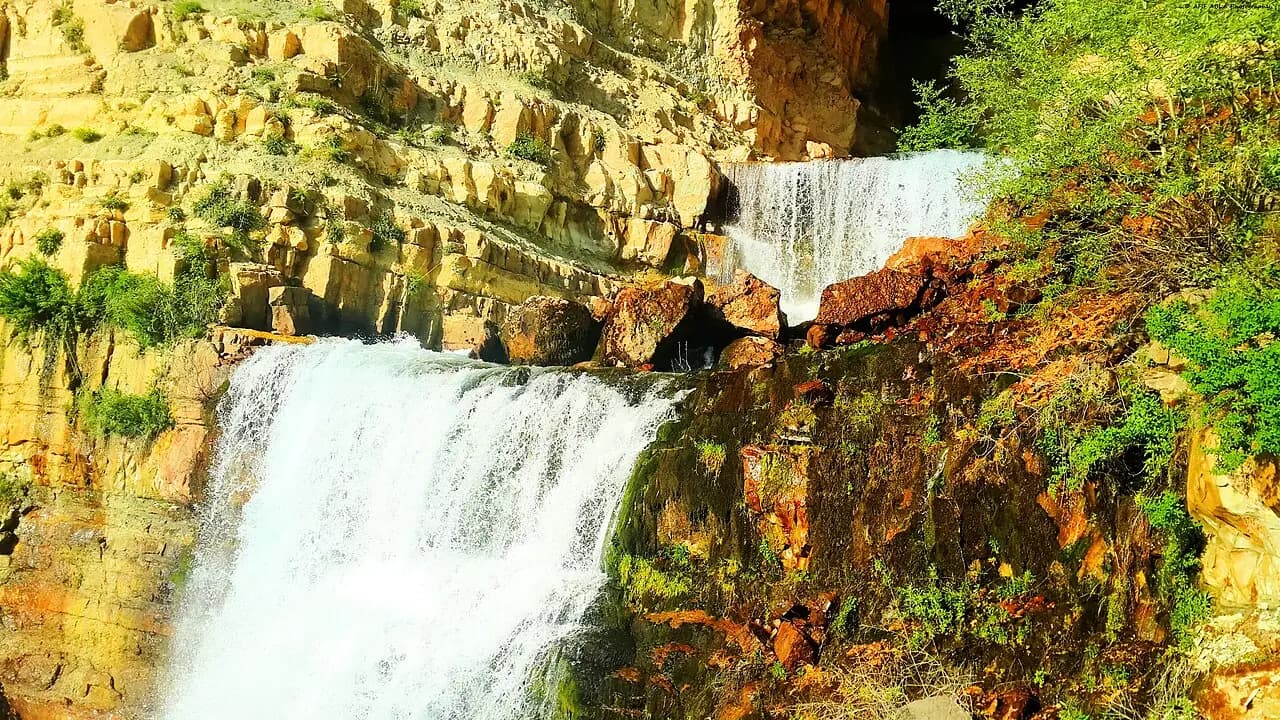
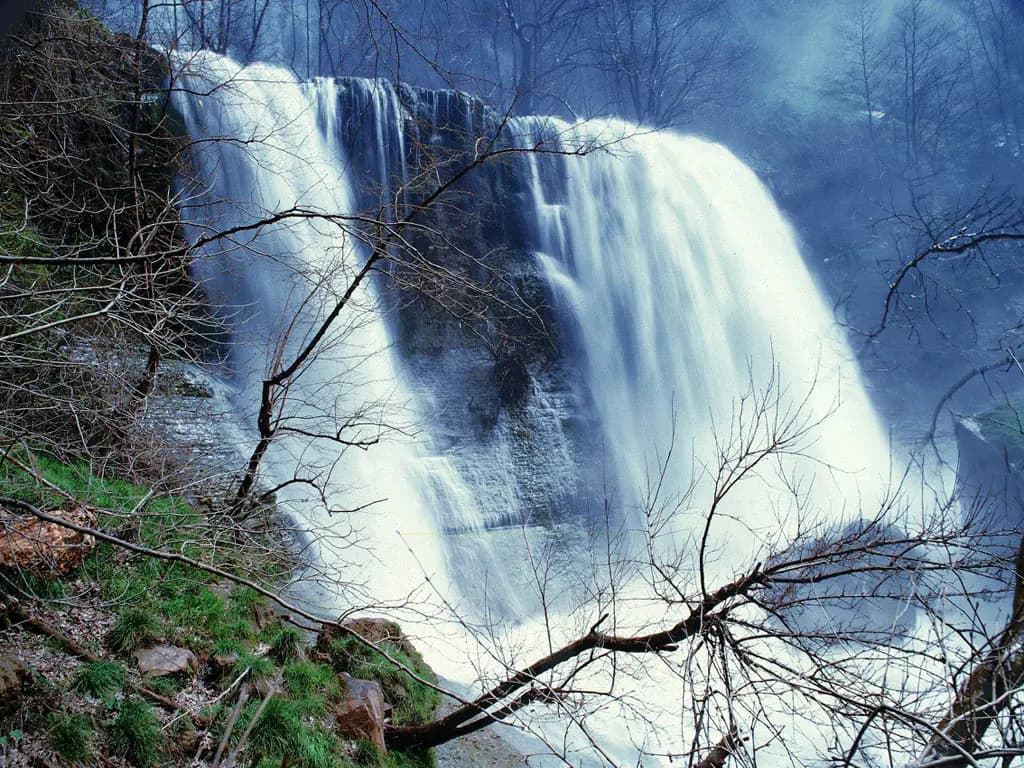
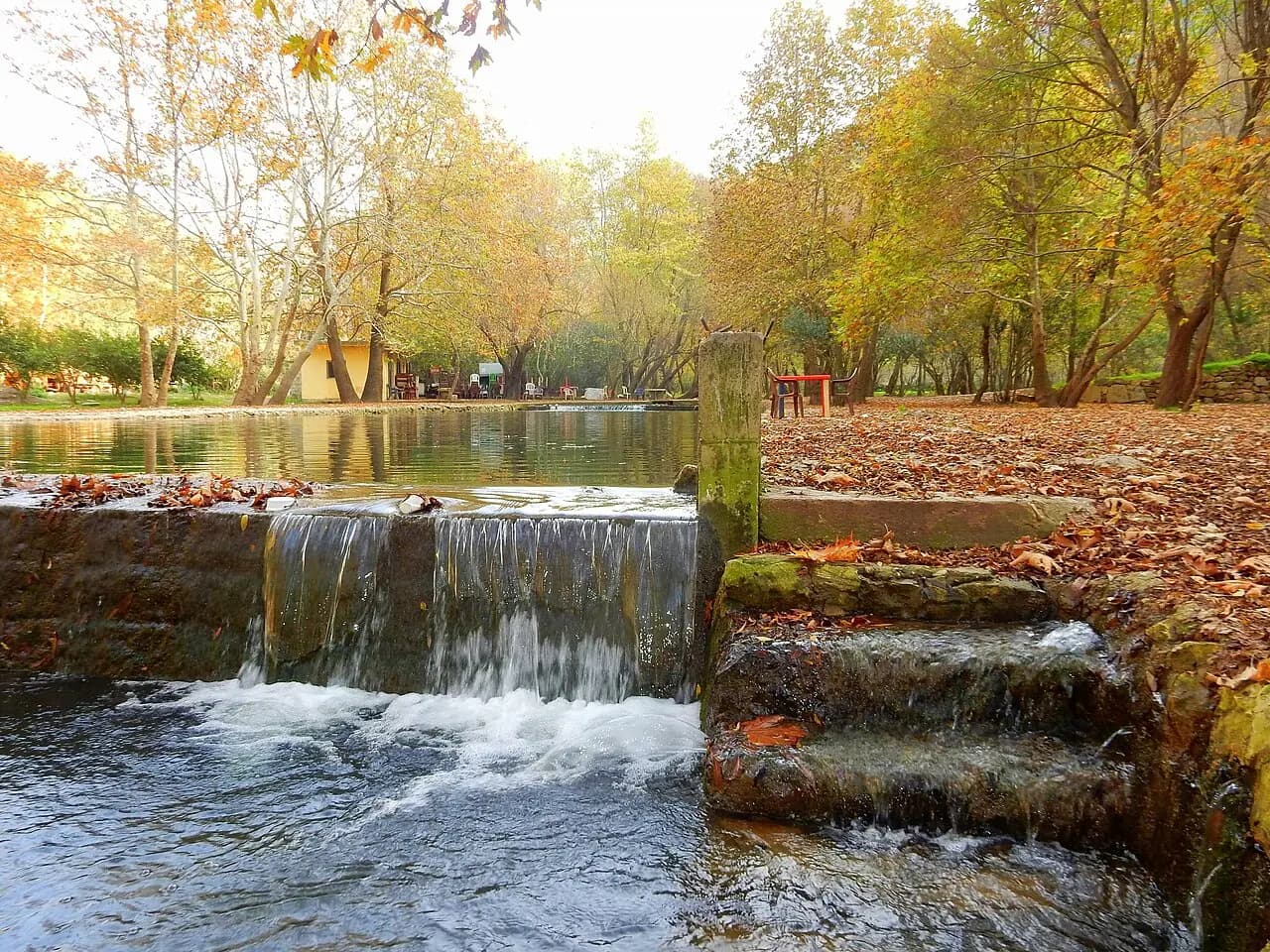
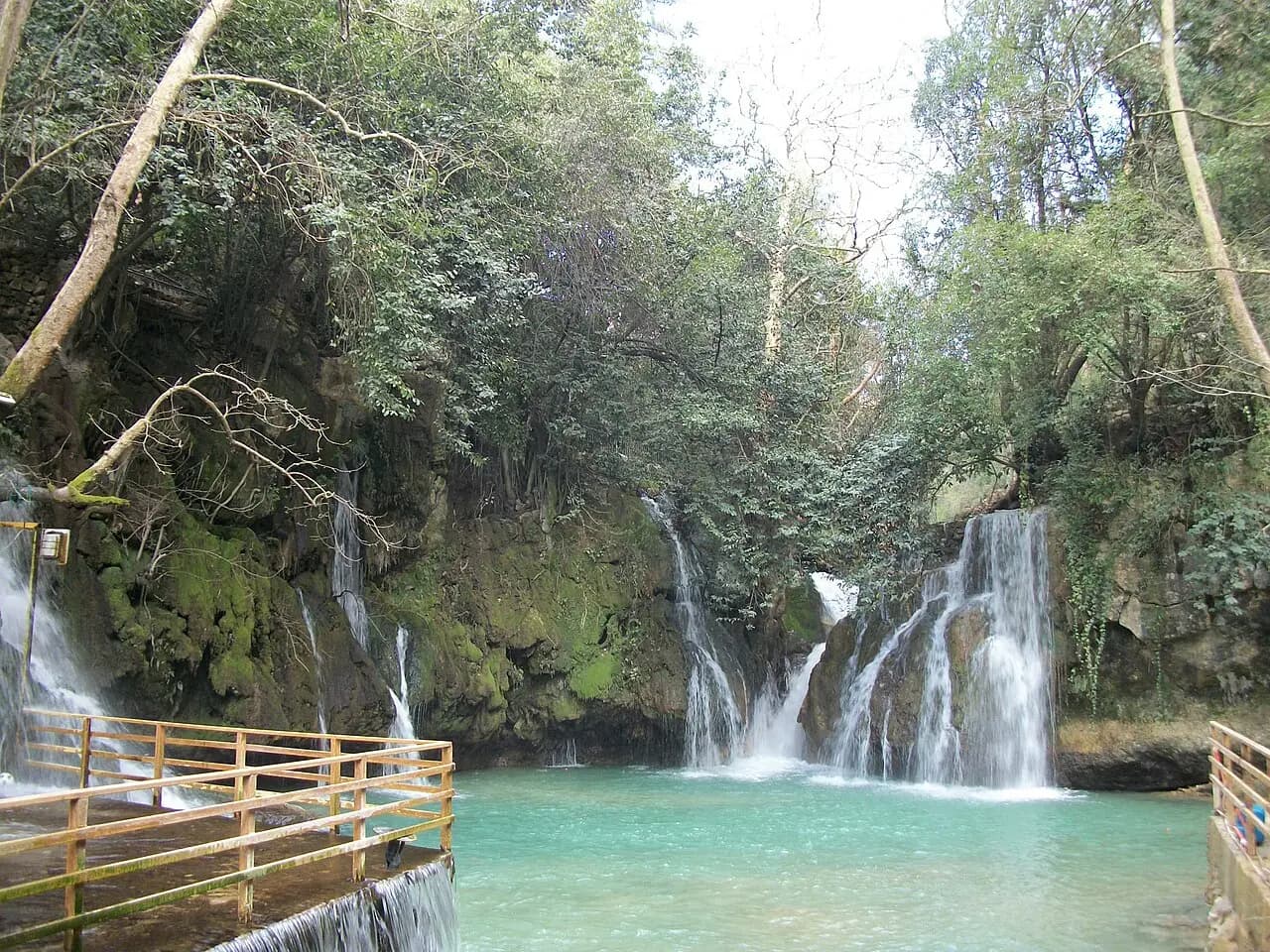
Compare caves, cedar forests, valleys, river landscapes and seasonal waterfalls before choosing a route.
These guides explain active pilgrimage settings and landscapes shaped by long religious traditions.
Choose according to children's ages, walking ability and current access; steps, heat and uneven ground vary considerably.
Keep each day geographically realistic and allow a generous traffic margin, even when map distances appear short.
The north combines high mountains, cedar landscapes and waterfalls with very different seasonal and road conditions.
Build a Bekaa route around one or two principal stops rather than trying to fit the entire valley into a rushed day.
Beiteddine and a walk in Deir el Qamar make a focused historical day. For a longer cedar hike, choose a Shouf entrance and give the forest a separate morning. The Mount Lebanon guide explains bases, village walking and road planning.
Sidon’s castle and working souk tell a different story from Tyre’s separated archaeological areas. These guides provide heritage context and future planning; current official advice and local access take priority over an itinerary.
Pigeon Rocks is a short viewpoint stop; the National Museum or Byblos site needs a longer block. Allow a full day for a substantial valley walk once transport and rest stops are included. Confirm steps and facilities when planning with children or limited mobility.
Published guides
The visit lengths in these guides are suggested planning allowances. Current official travel advice, site access and your own pace should determine the final itinerary.
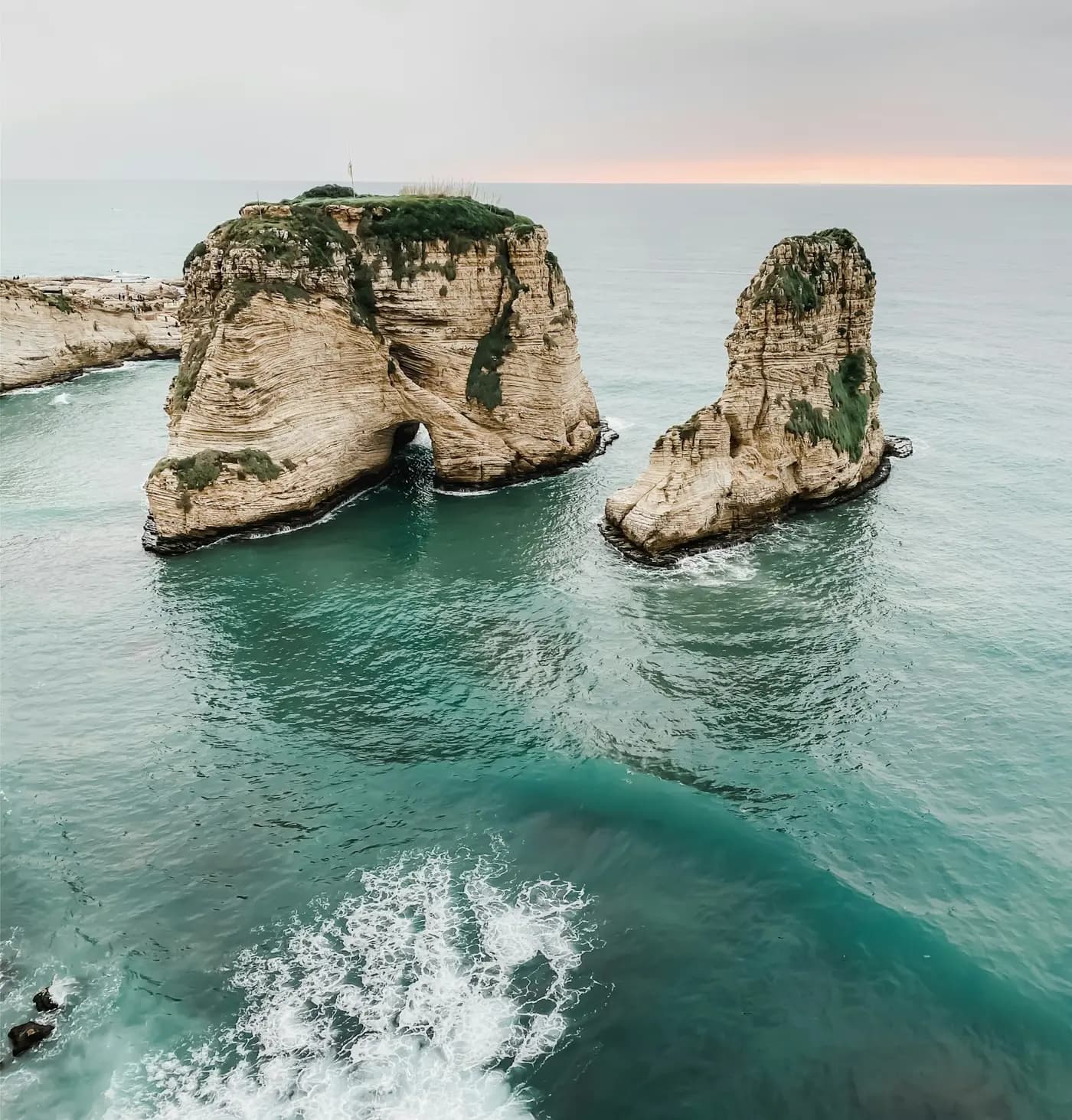 Attraction · Coast and viewpoints
Beirut's best-known coastal landmark: two limestone sea stacks just off Raouche.
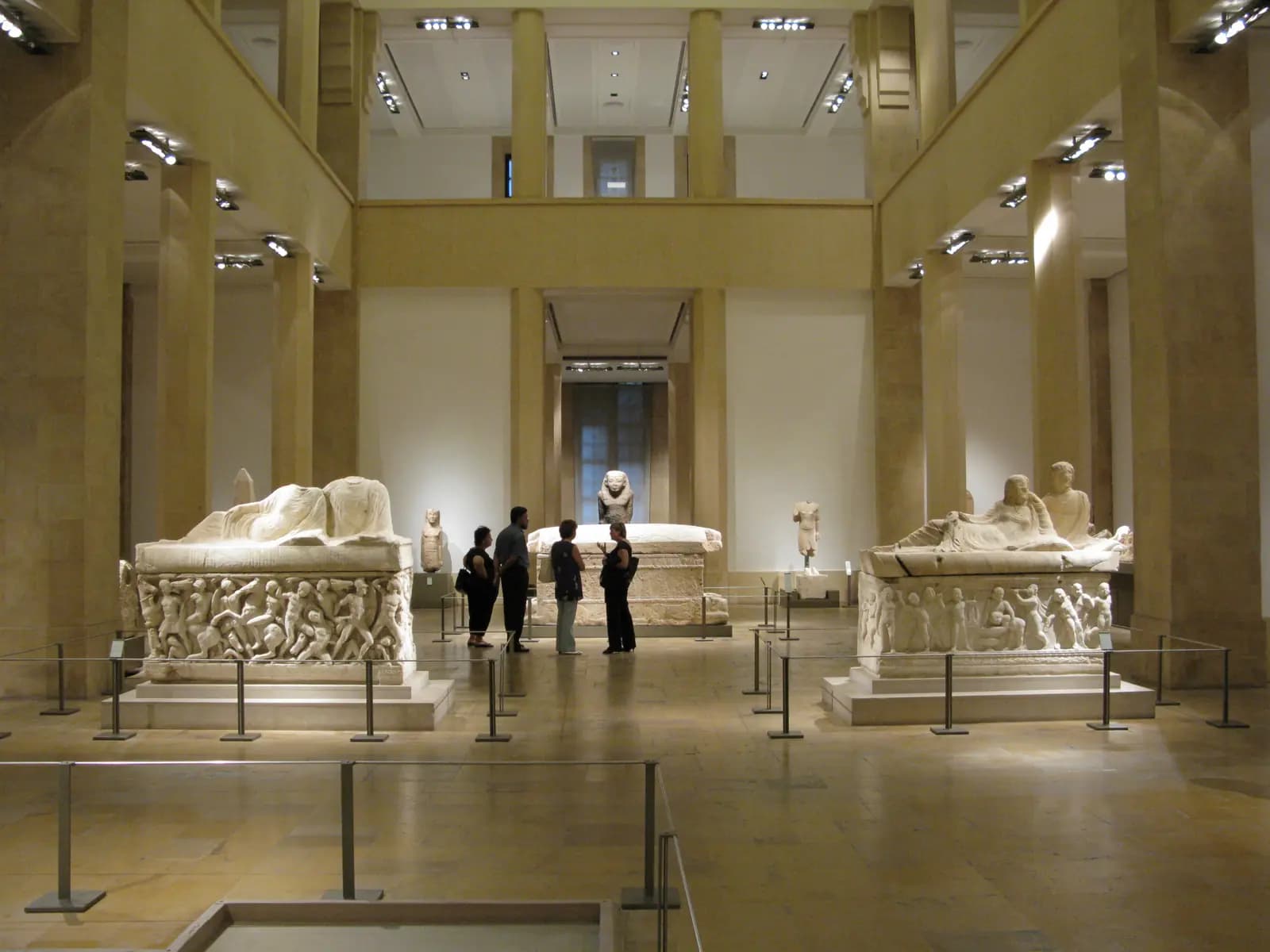
Read the Pigeon Rocks guideLebanon's principal archaeology museum and an accessible introduction to the country's long history.
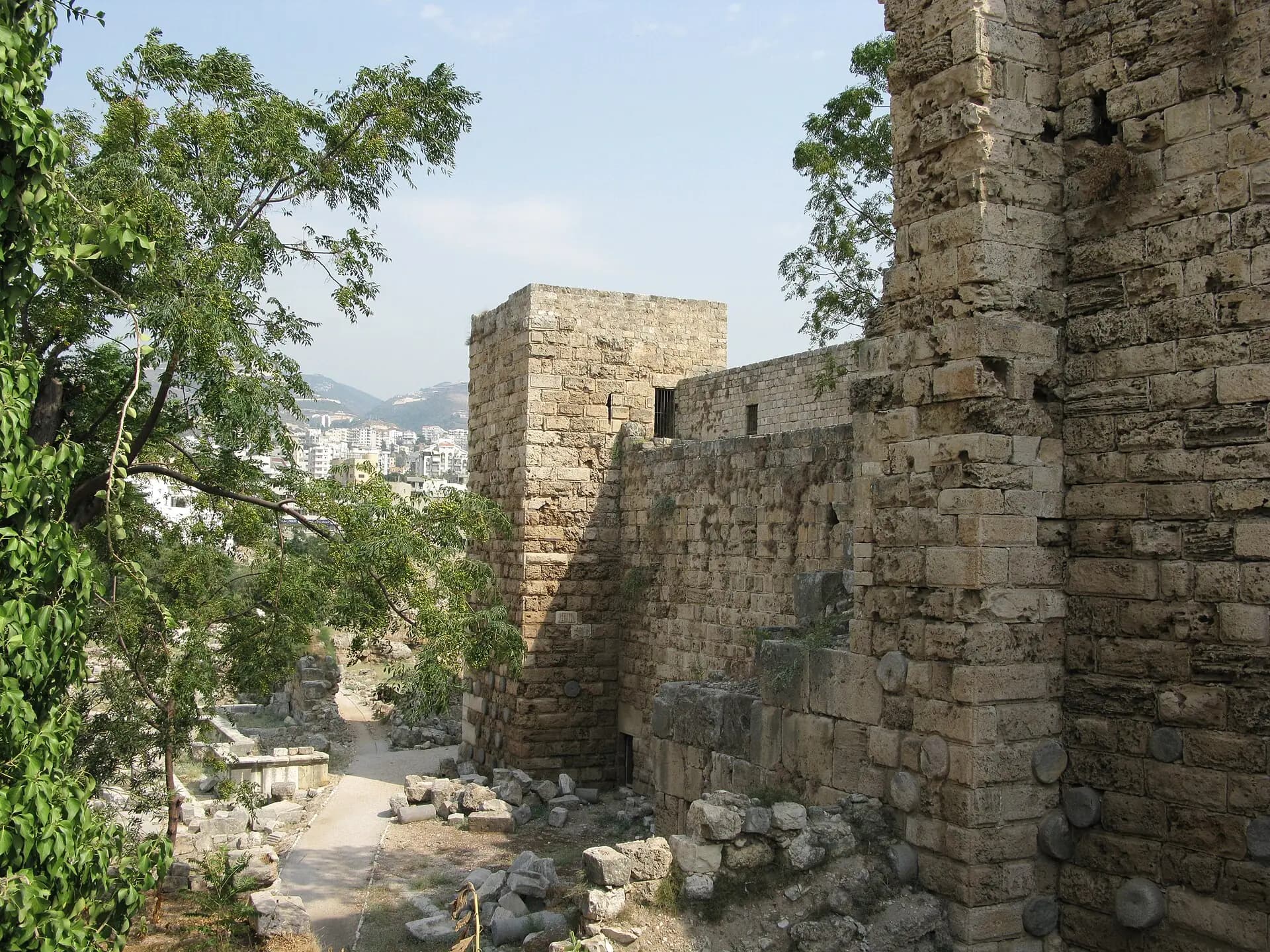
Read the National Museum of Beirut guideA Crusader castle at the heart of Byblos's UNESCO-listed archaeological site.
Read the Byblos Castle guide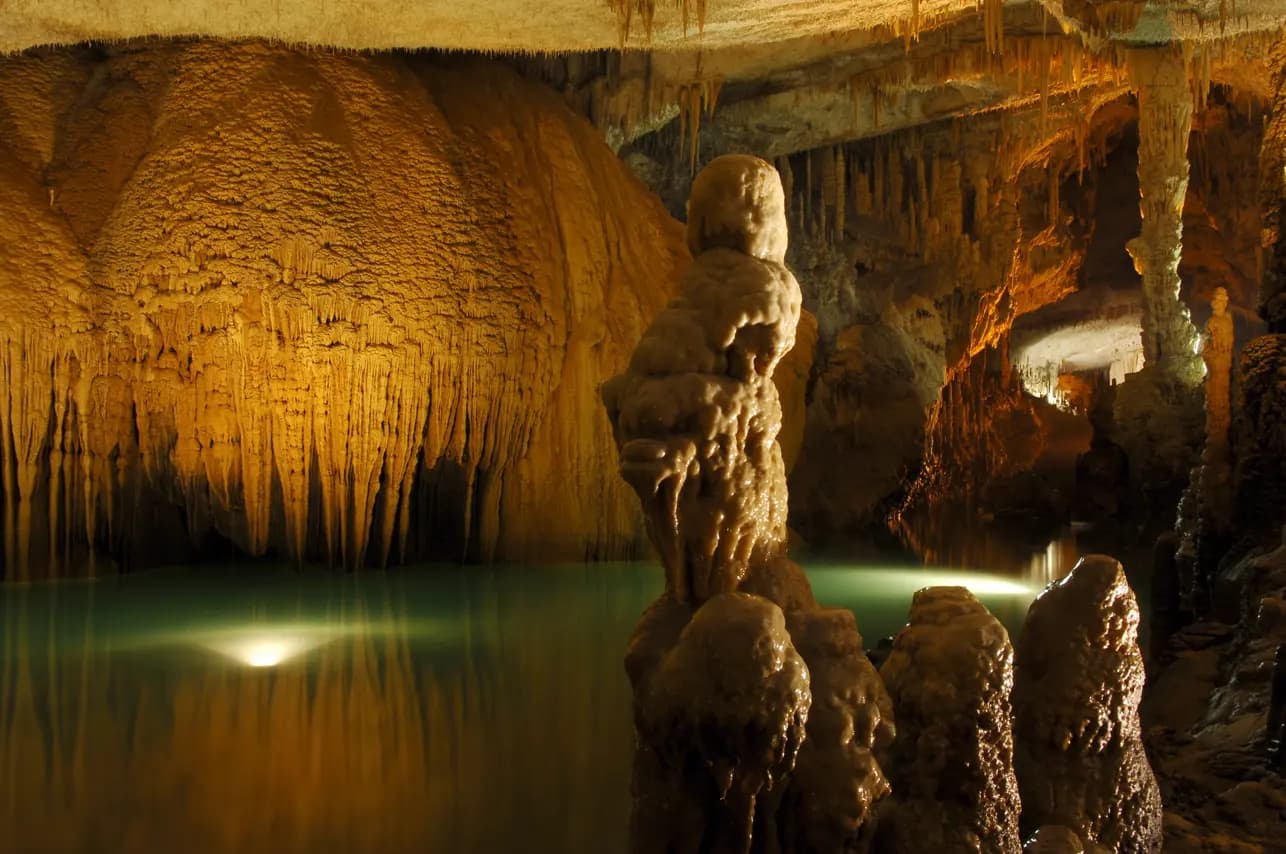 Attraction · Caves and nature
A vast limestone cave system with a walk-through upper gallery and, when conditions allow, an underground boat trip.
Read the Jeita Grotto guide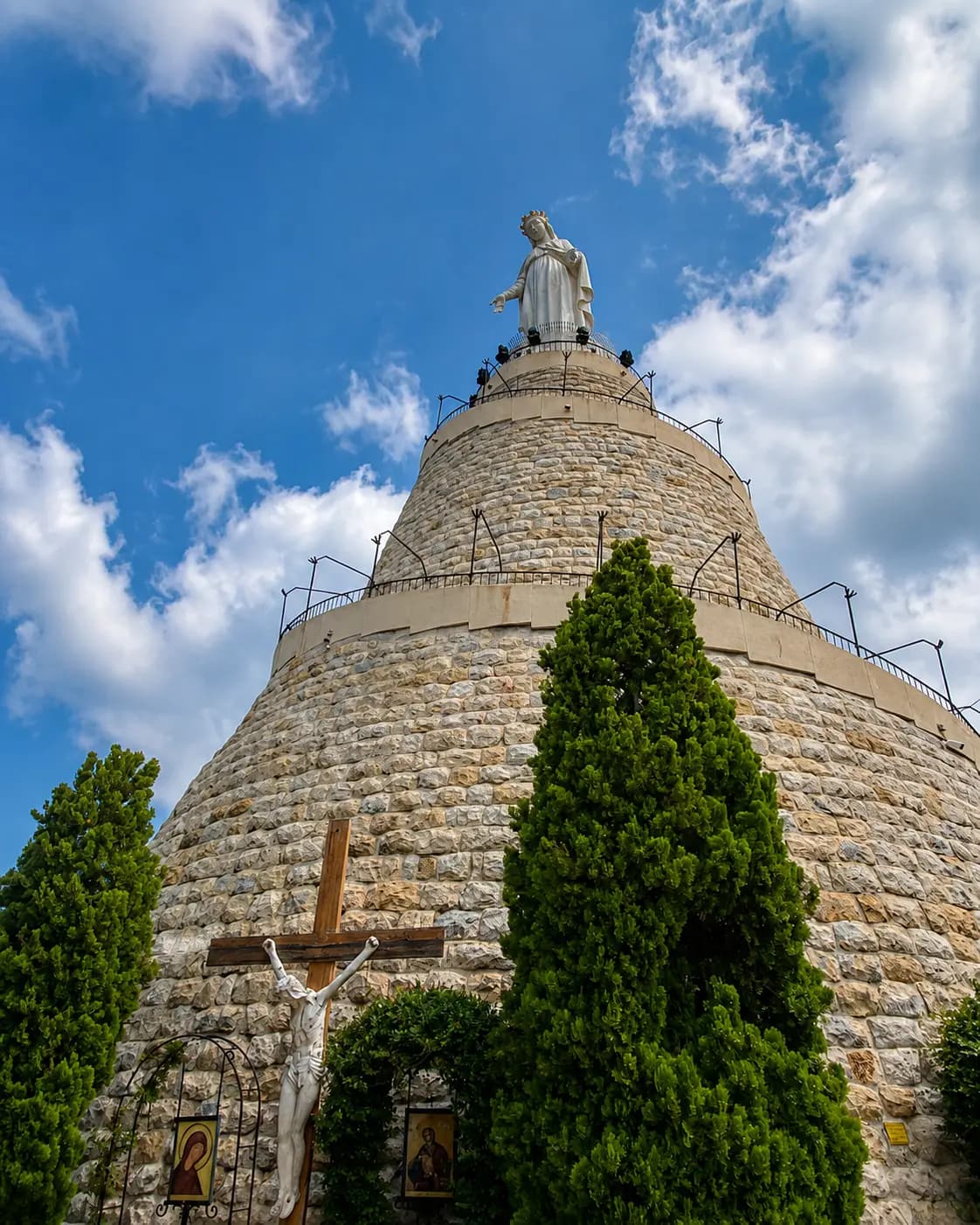 Attraction · Views and culture
A major pilgrimage site above Jounieh Bay, centred on the Our Lady of Lebanon shrine and sweeping coastal views.
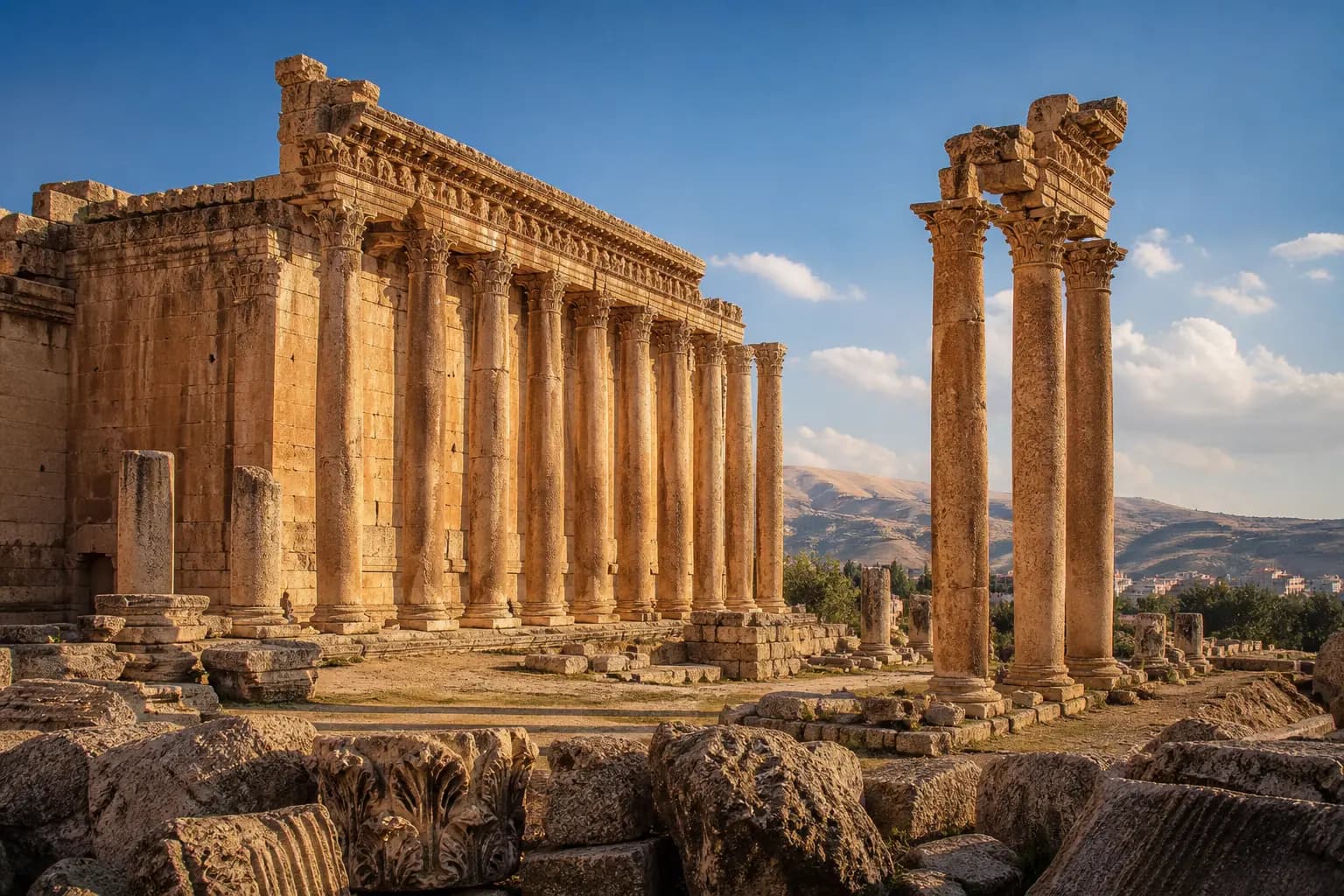
Read the Harissa guideAttraction · Archaeology and historyOne of the Roman world's most monumental sanctuary complexes, dominated by the temples of Jupiter and Bacchus.
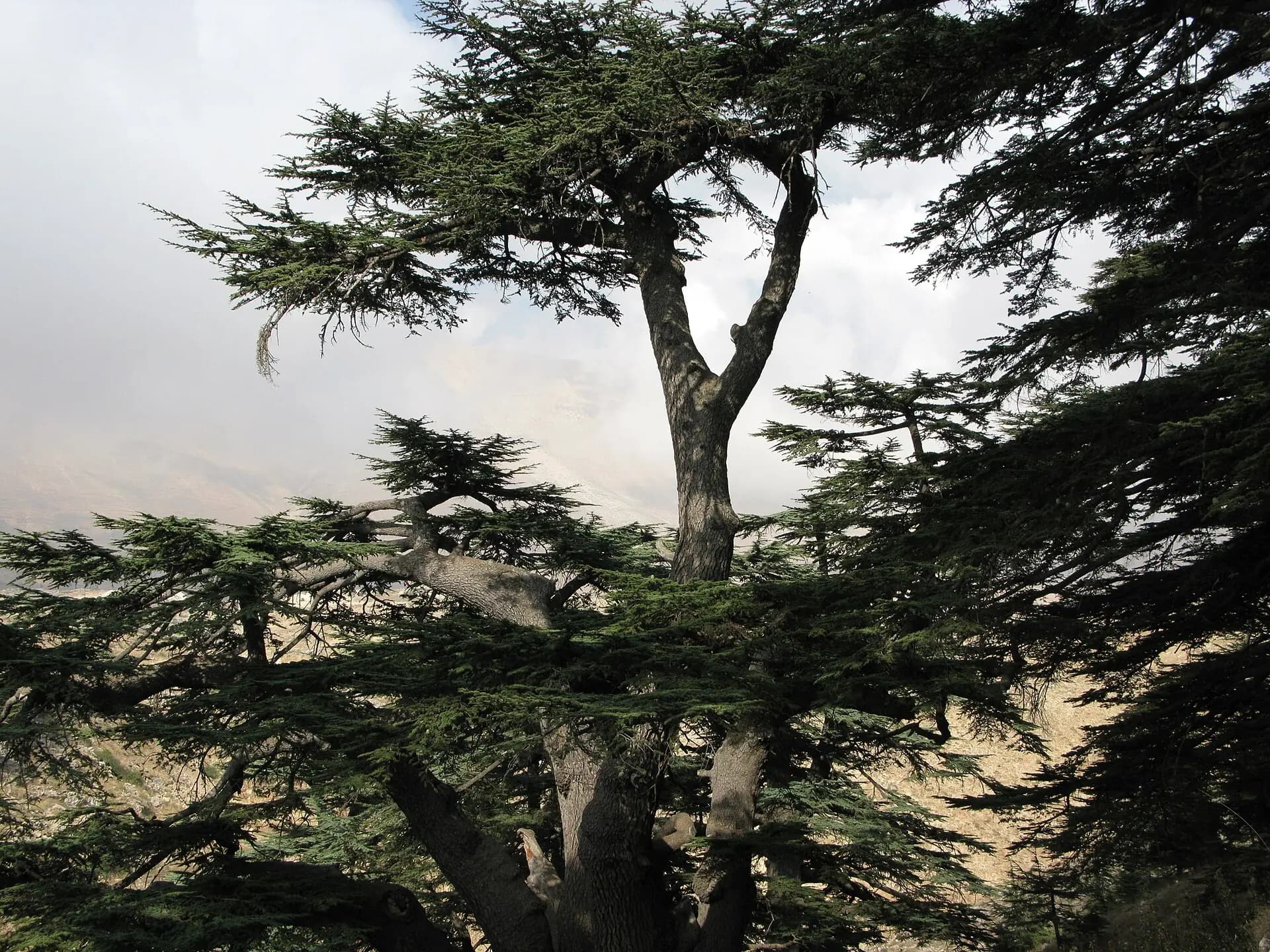
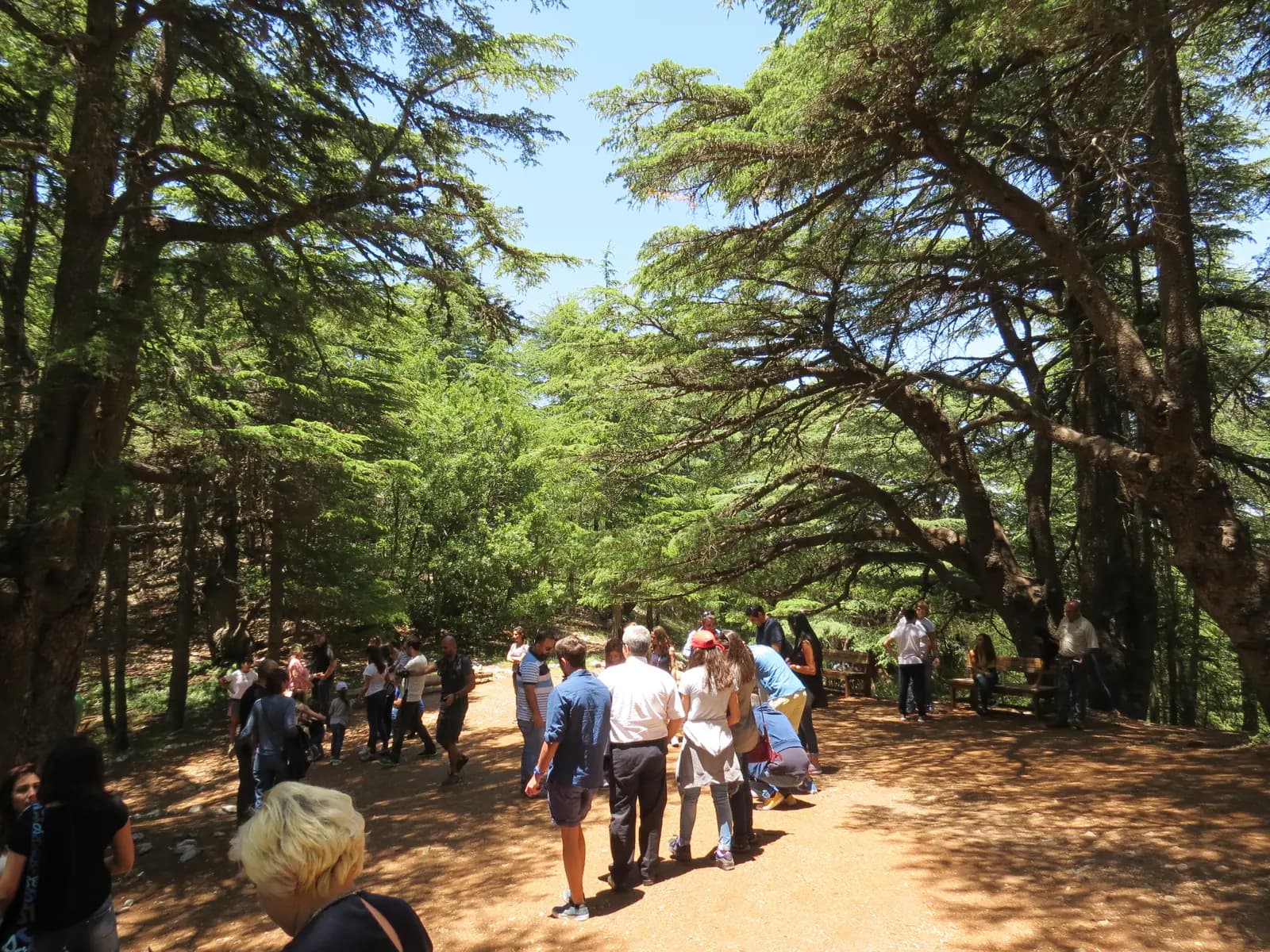
Read the Baalbek Temples guideA protected grove of ancient Lebanon cedars above Bsharri and part of the Qadisha Valley World Heritage Site.
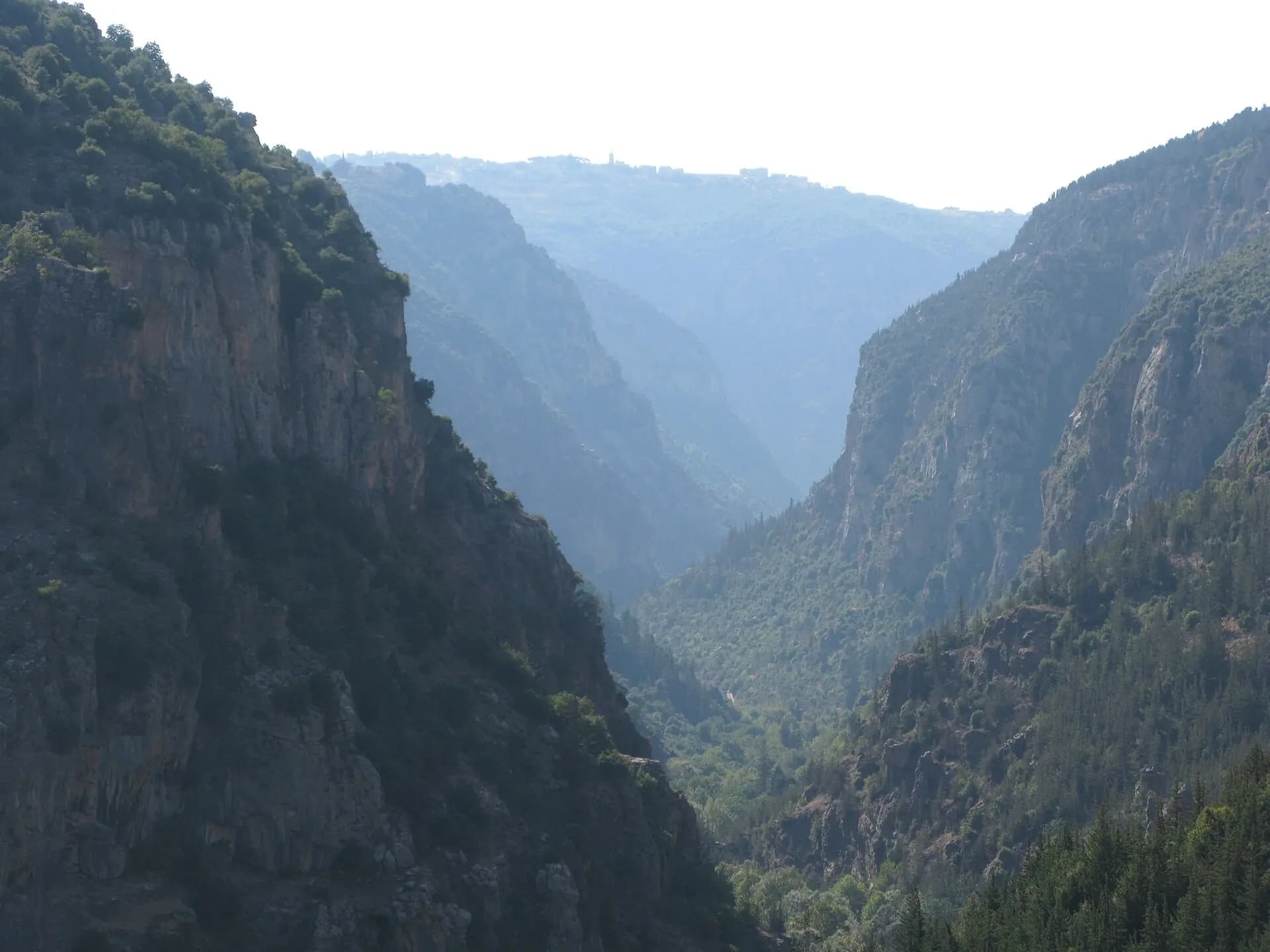
Read the Cedars of God guideA dramatic mountain valley of cliffs, paths and historic monasteries, protected as a UNESCO World Heritage Site.
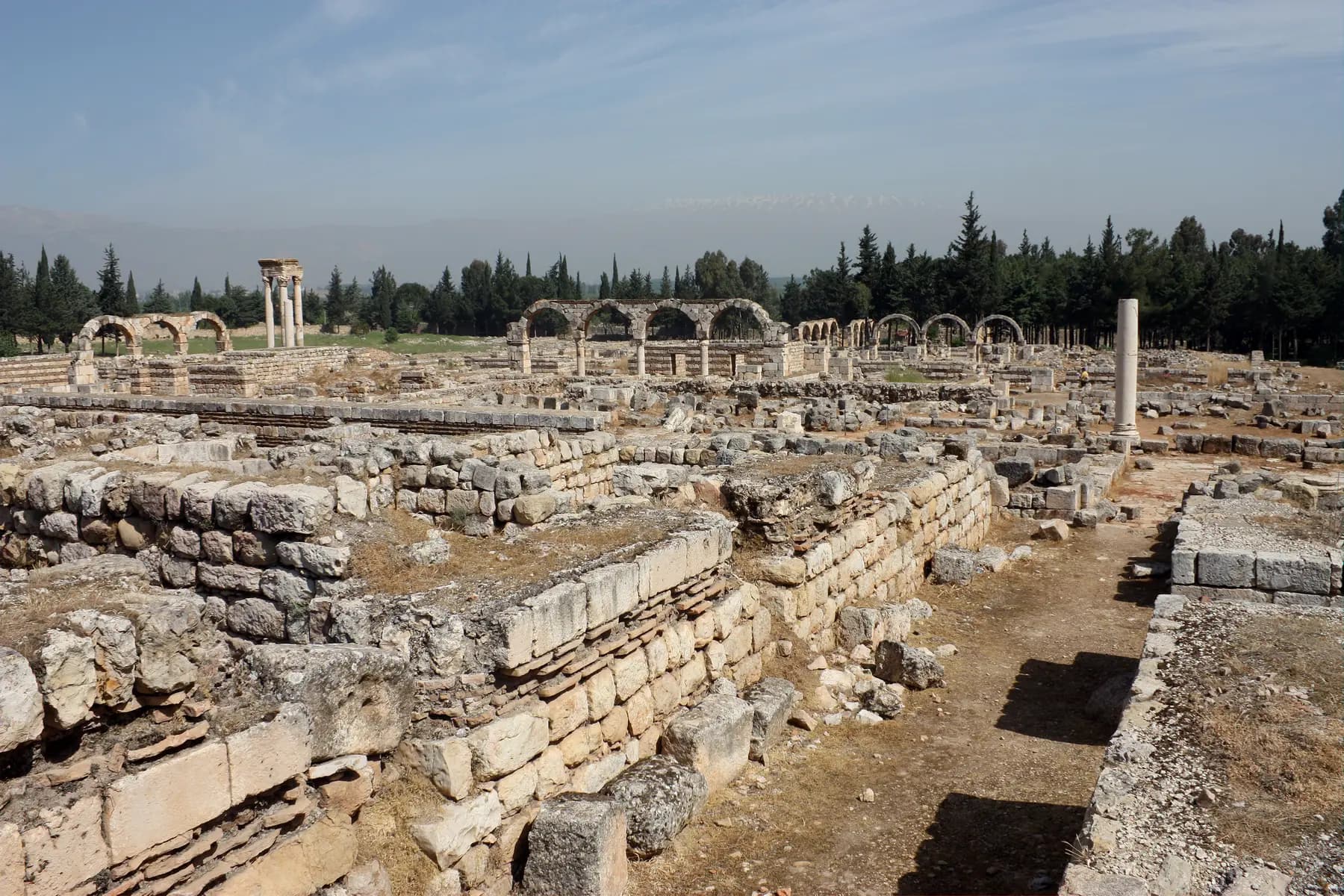
Read the Qadisha Valley guideA rare planned Umayyad city in the Bekaa Valley, with colonnaded streets, palaces and early Islamic remains.
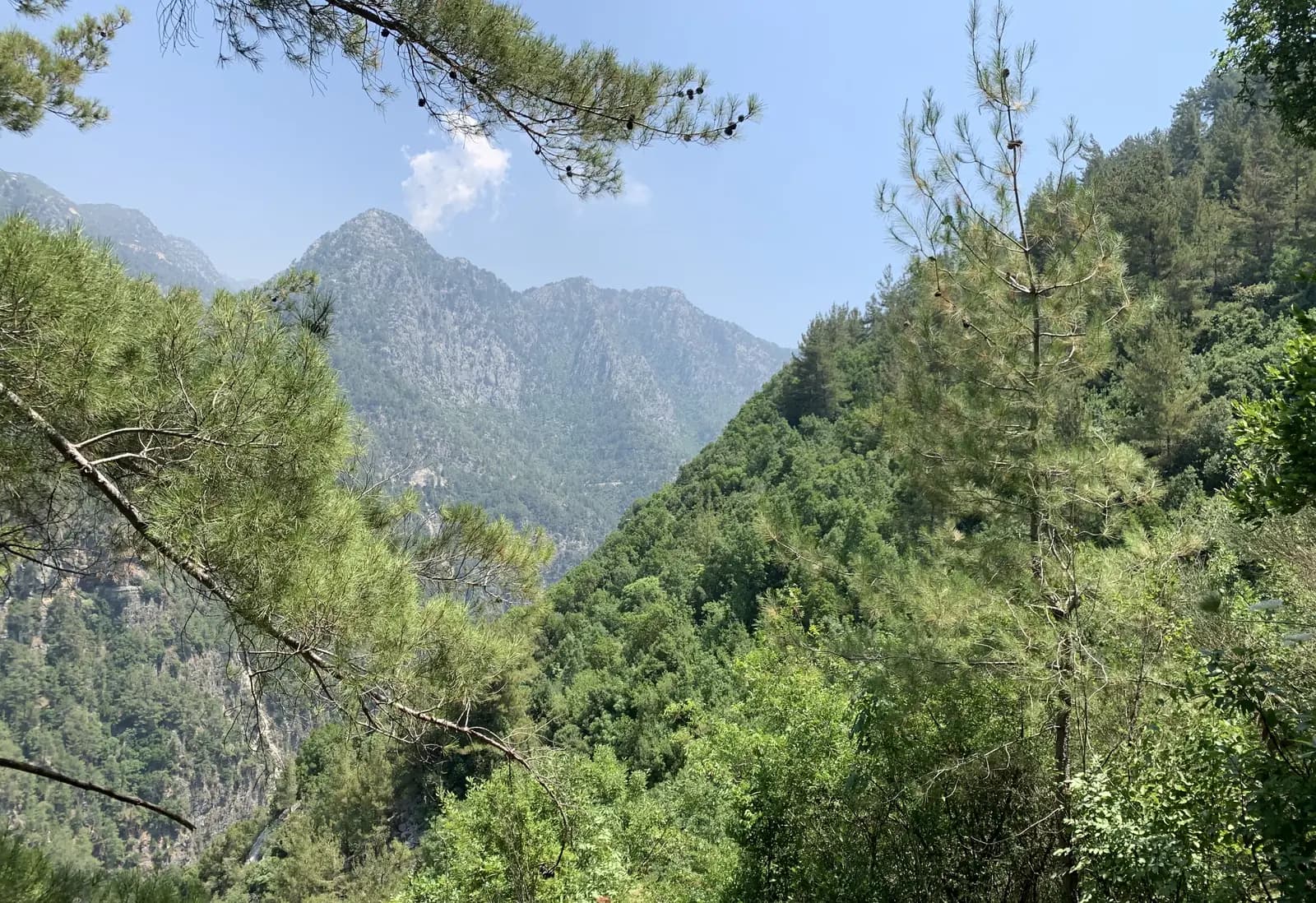
Read the Anjar guideA steep walking route through the Ibrahim River valley to clear pools and wooded river scenery.
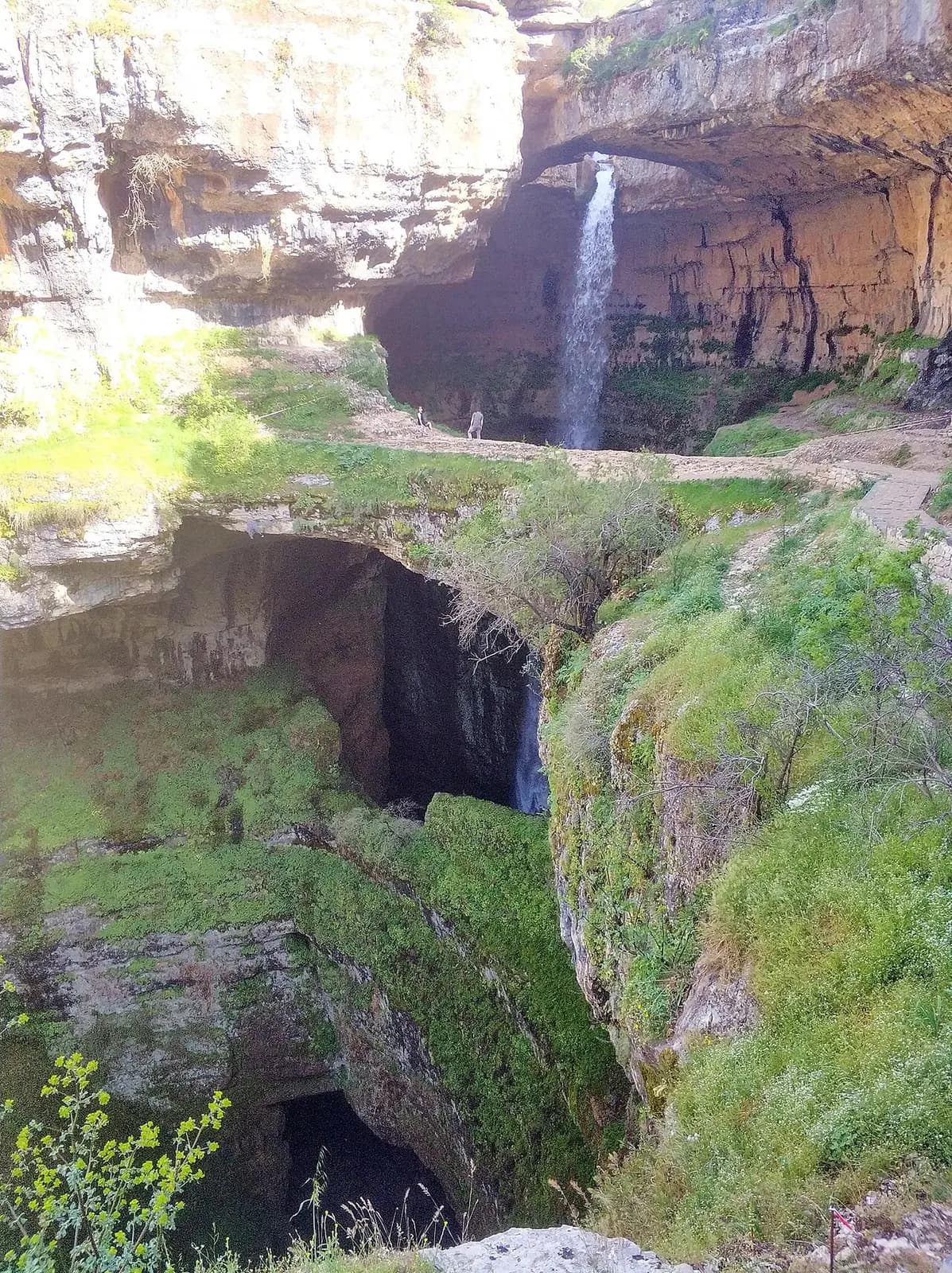
Read the Chouwen guideA seasonal waterfall dropping through a limestone sinkhole crossed by three natural rock bridges.
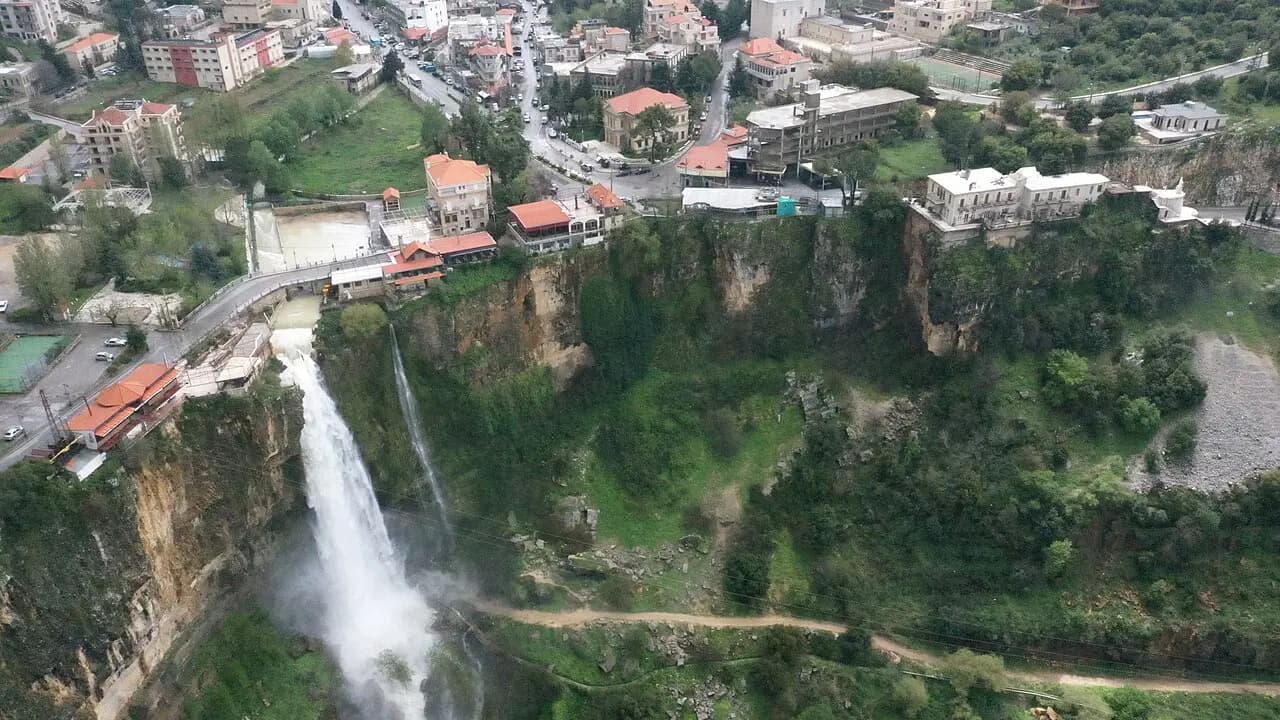
Read the Baatara Gorge guideA seasonal waterfall below the mountain town of Jezzine, with viewpoints across the southern highlands.
Read the Jezzine Waterfall guideA powerful seasonal spring emerging from a limestone cave at the source of the Ibrahim River.
Read the Afqa Cave and Waterfall guideA seasonal waterfall and river landscape inland from Batroun.
Read the Kfarhelda Waterfall guideA river and waterfall landscape in northern Lebanon where access depends on local roads and seasonal conditions.
Read the Oyoun el Samak guideSmall waterfalls and river scenery near Baakline in the Chouf.
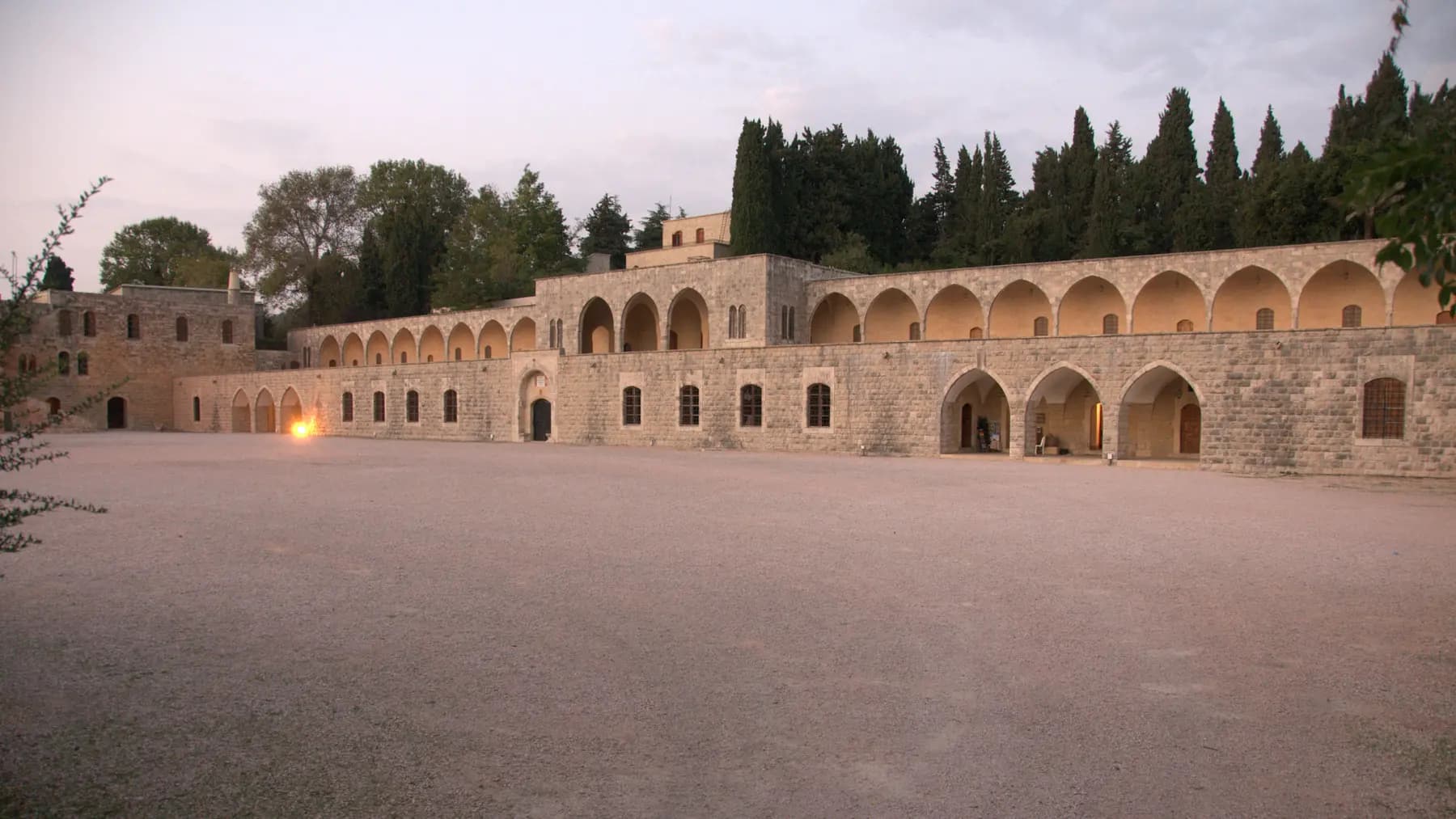
Read the Baakline Waterfalls guideA 19th-century palace complex known for its courtyards, stonework, mosaics and Chouf mountain setting.
Read the Beiteddine Palace guideLebanon's largest nature reserve, protecting extensive cedar forests, wildlife and marked walking routes.
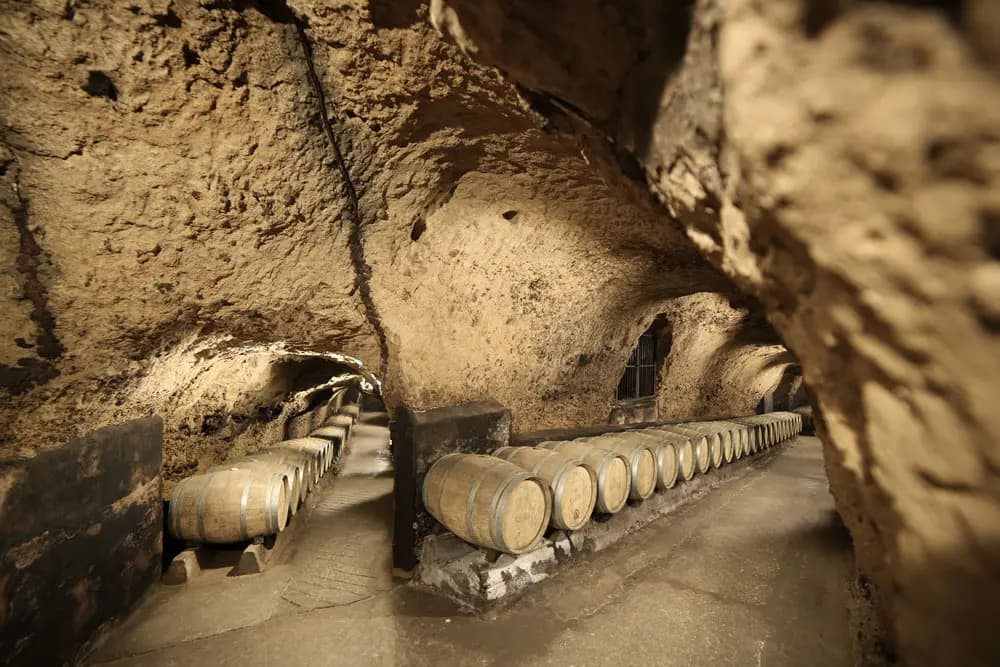
Read the Shouf Biosphere Reserve guideA historic Bekaa Valley winery known for its underground cellars and an introduction to Lebanese wine.
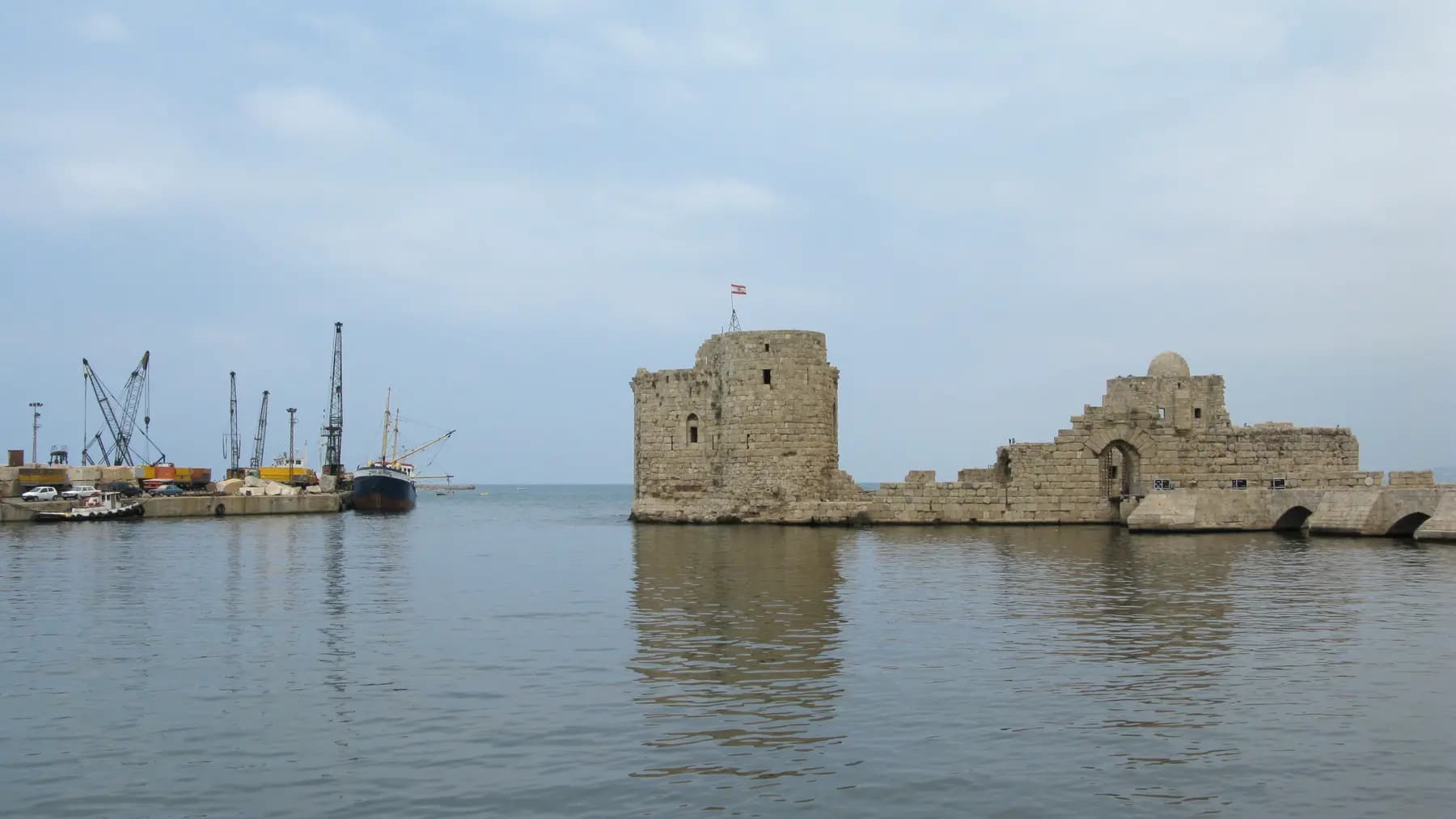
Read the Chateau Ksara guideA Crusader fortress built on a small island at the edge of Sidon's old city and harbour.
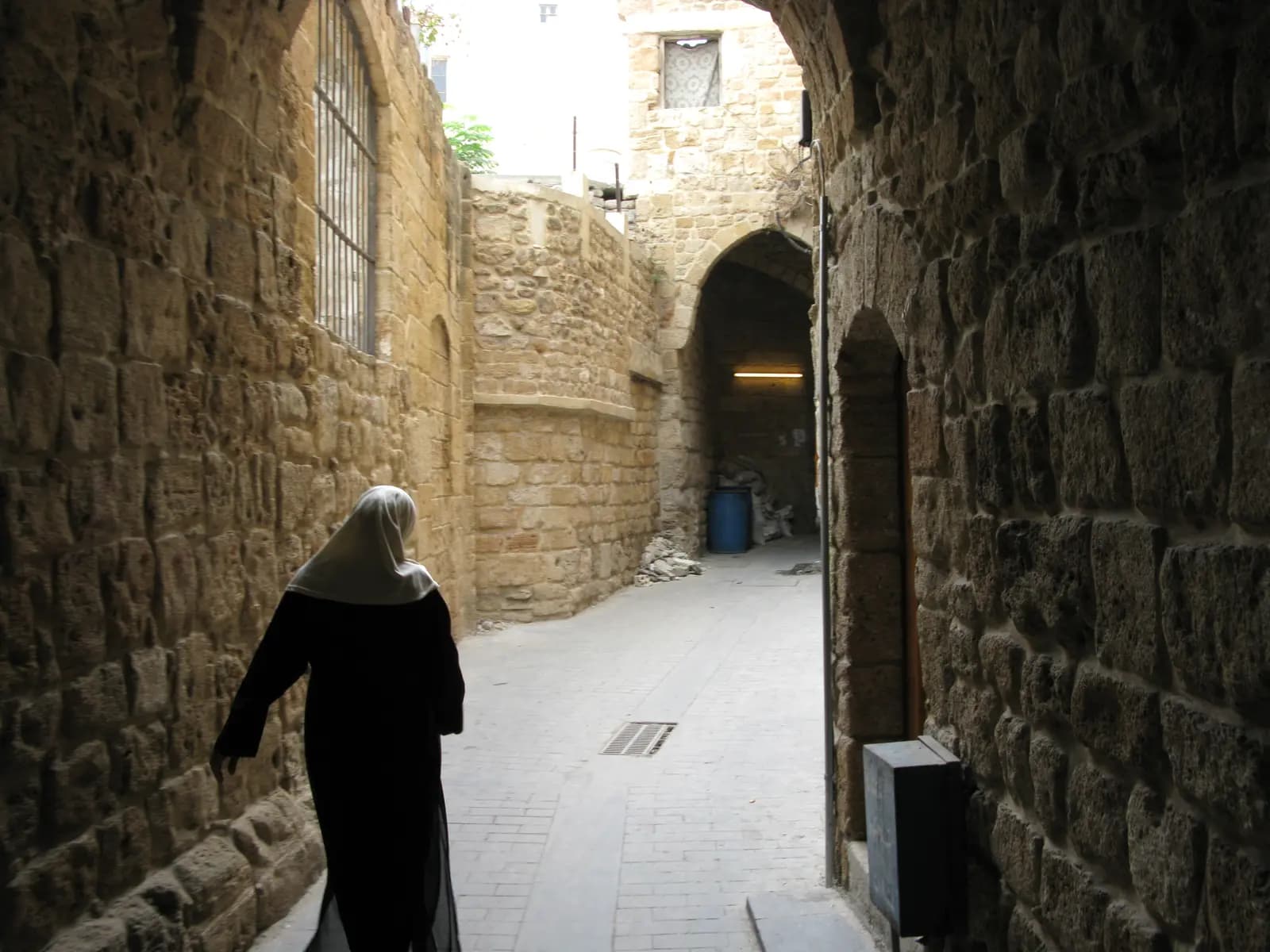
Read the Sidon Sea Castle guideA compact historic quarter of vaulted lanes, workshops and food stalls behind Sidon's harbour.
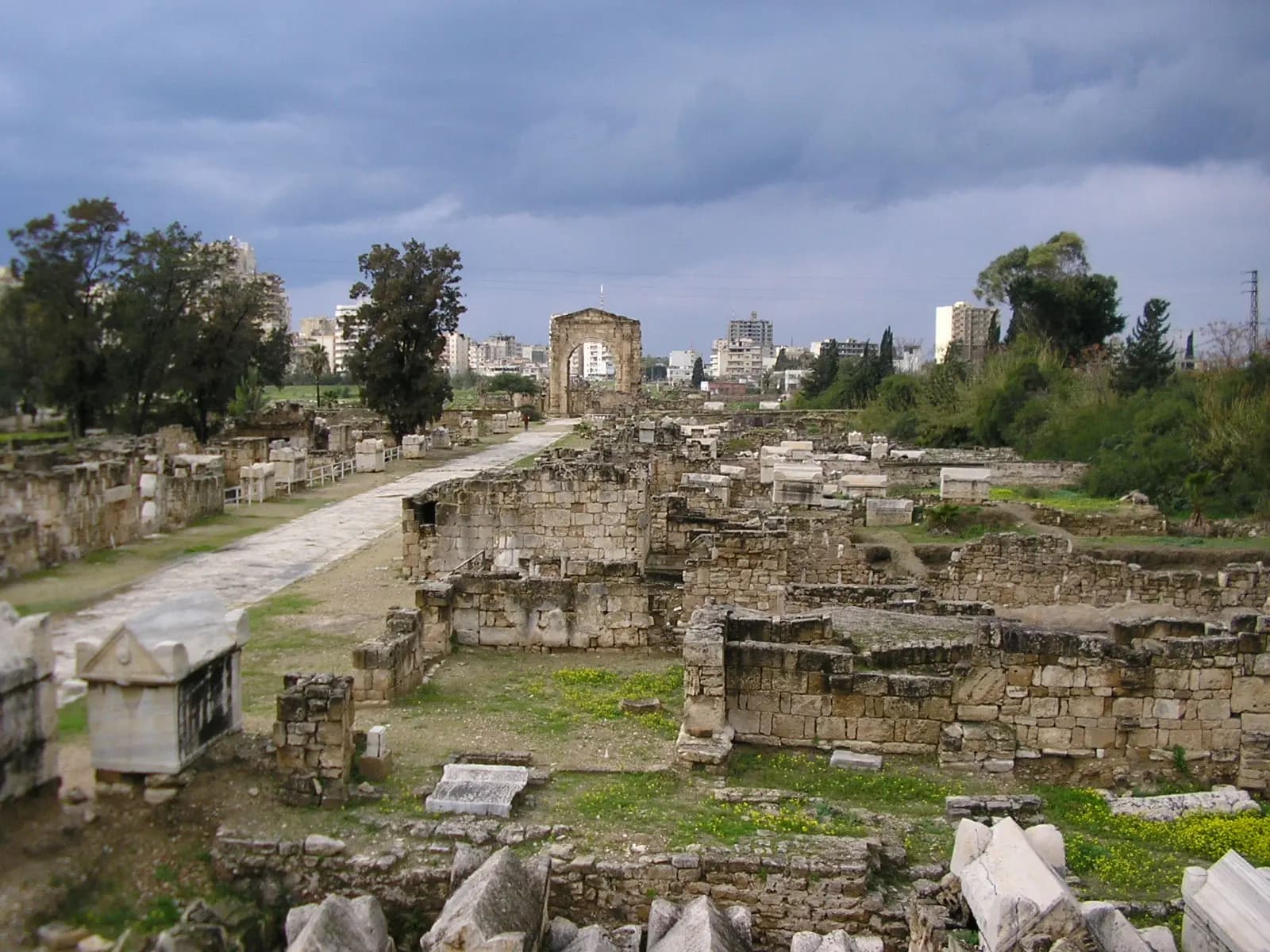
Read the Sidon Old Souk guideTwo major archaeological areas preserving Roman streets, baths, a necropolis and a vast hippodrome.
Read the Tyre Archaeological Sites guide