
Plan your visit
Allow about 1–2 hours for the castle and archaeological site.
Morning or late afternoon during hot months.
Archaeology and history
A Crusader castle at the heart of Byblos's UNESCO-listed archaeological site.
Archaeology and history
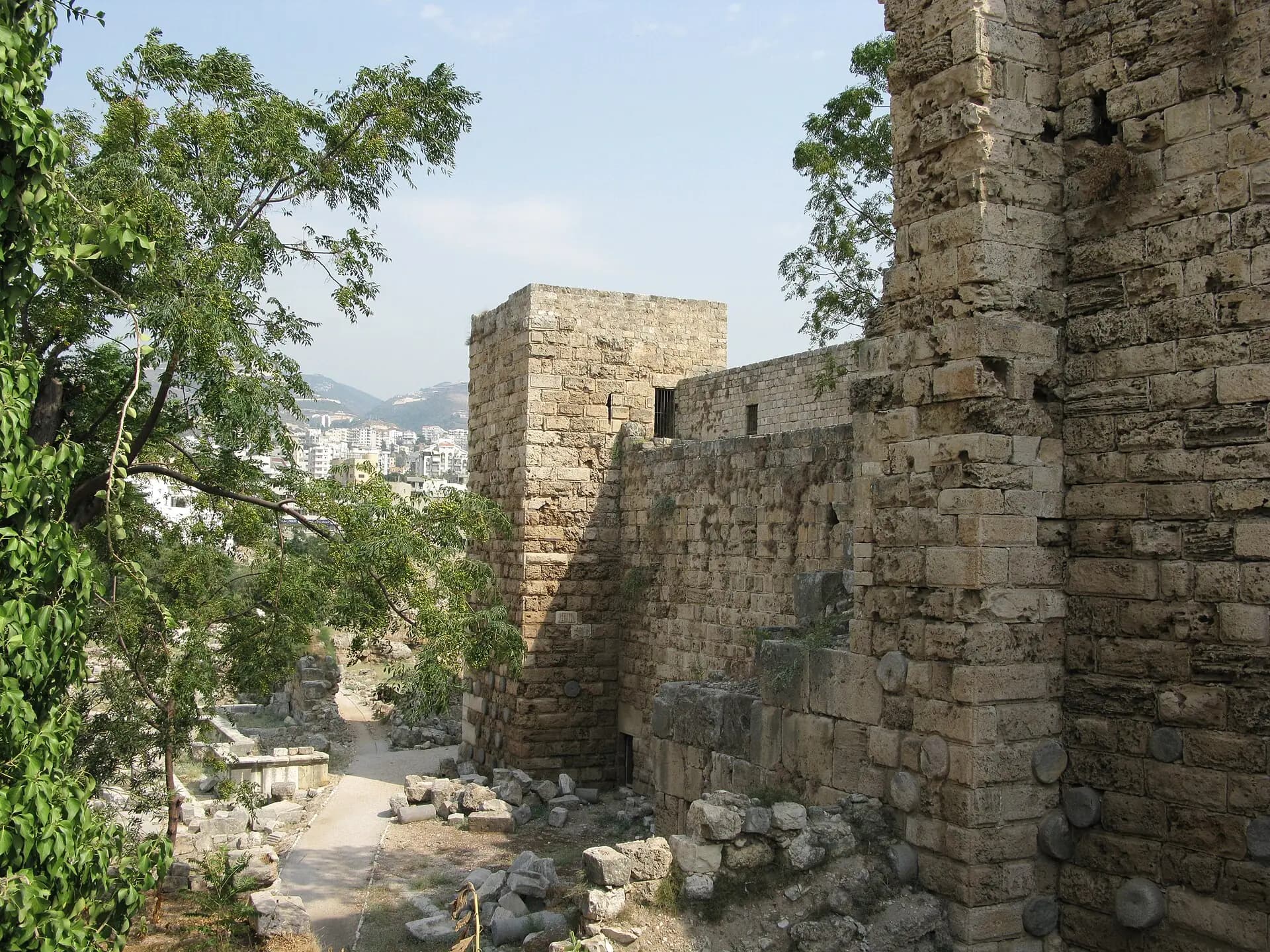
The castle was built during the Crusader period and stands within an archaeological landscape containing remains from much earlier eras. A visit therefore extends well beyond the fortress itself.
The upper levels provide an overview of the excavations, old town and coast.
The castle provides a high-level view of an archaeological site containing structures from several periods. After looking across it, explore the accessible paths at ground level and use the site signs or a guide to distinguish temples, fortifications and later buildings.
The UNESCO significance of Byblos rests on the city’s long history and its links with the Phoenician alphabet as well as the medieval fortress. The castle is an entry point into that wider story.
The castle’s stairs and upper levels are a different access challenge from walking around the lower archaeological area. Expect uneven stone and limited shade; ask about the precise route if steps are a concern.
Take water and plan a shaded break in the old town after the ruins. With children, the fortress and its views can be the focus, with a shorter ground-level walk rather than a complete circuit. Keep off excavated walls and masonry.
Allow one to two hours for the castle and archaeological area, then leave time for the old souk and harbour. A leisurely meal can make this a full day without needing another distant attraction.
The castle guide covers the site itself; the Byblos destination guide helps you add the old town, coast and an overnight stay. Confirm current site access before arriving, particularly if the castle is the main reason for the journey.
Allow about 1–2 hours for the castle and archaeological site.
Morning or late afternoon during hot months.
Continue planning
Plan your visit
Yes. It stands within the Byblos archaeological site and is naturally visited with the surrounding remains.
Yes. The castle, old town and harbour are close together and work well in the same visit.