A major pilgrimage site above Jounieh Bay, centred on the Our Lady of Lebanon shrine and sweeping coastal views.
Views and culture
Quick facts
Location
Above Jounieh Bay, Mount Lebanon
Main sight
Our Lady of Lebanon sanctuary
Getting uphill
Road access or Téléférique when operating
Our Lady of Lebanon
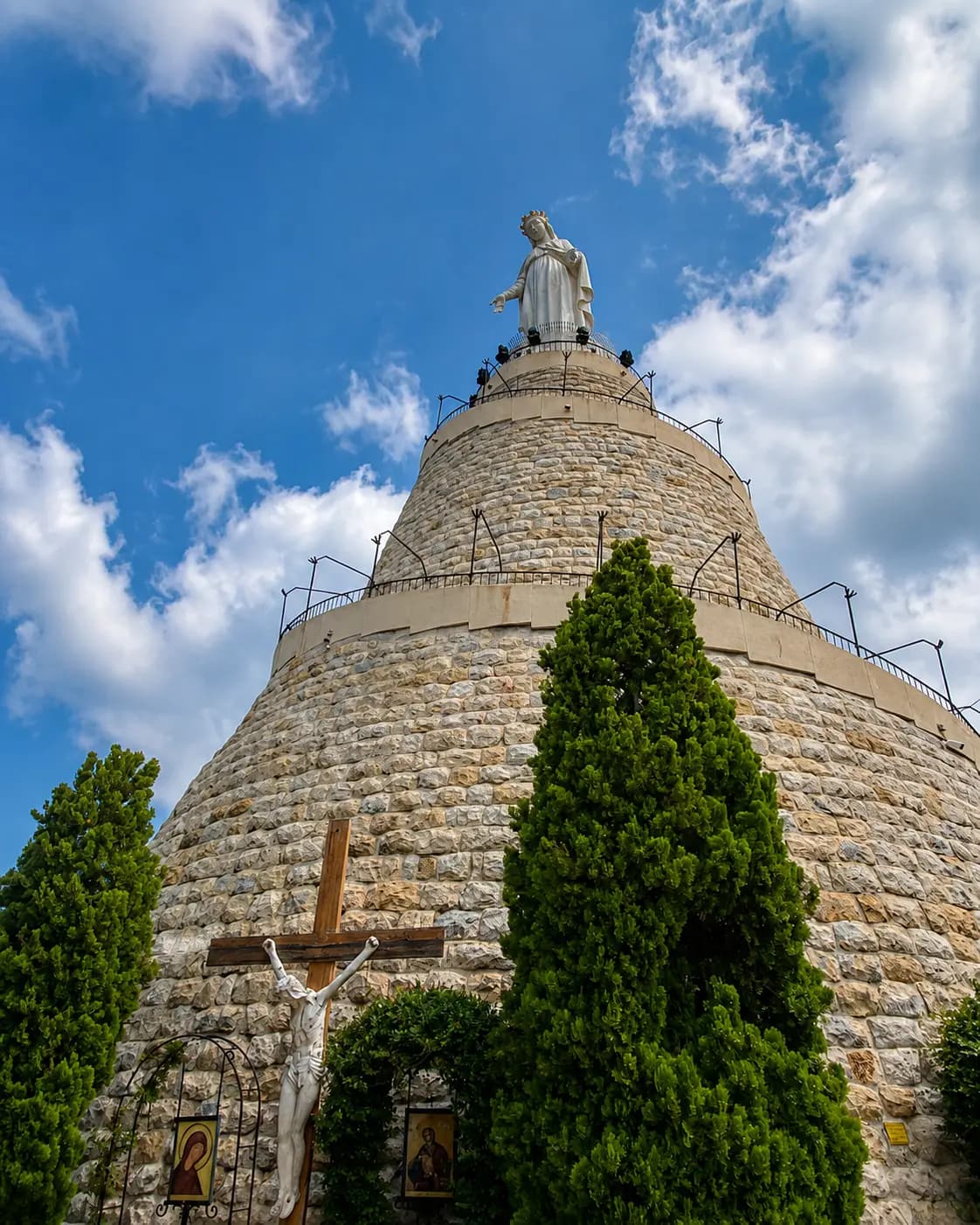
Harissa is the hilltop setting of Our Lady of Lebanon, whose white-painted bronze statue was raised above the sanctuary in 1908. The shrine is a place of pilgrimage and prayer as well as a landmark visible from the coast.
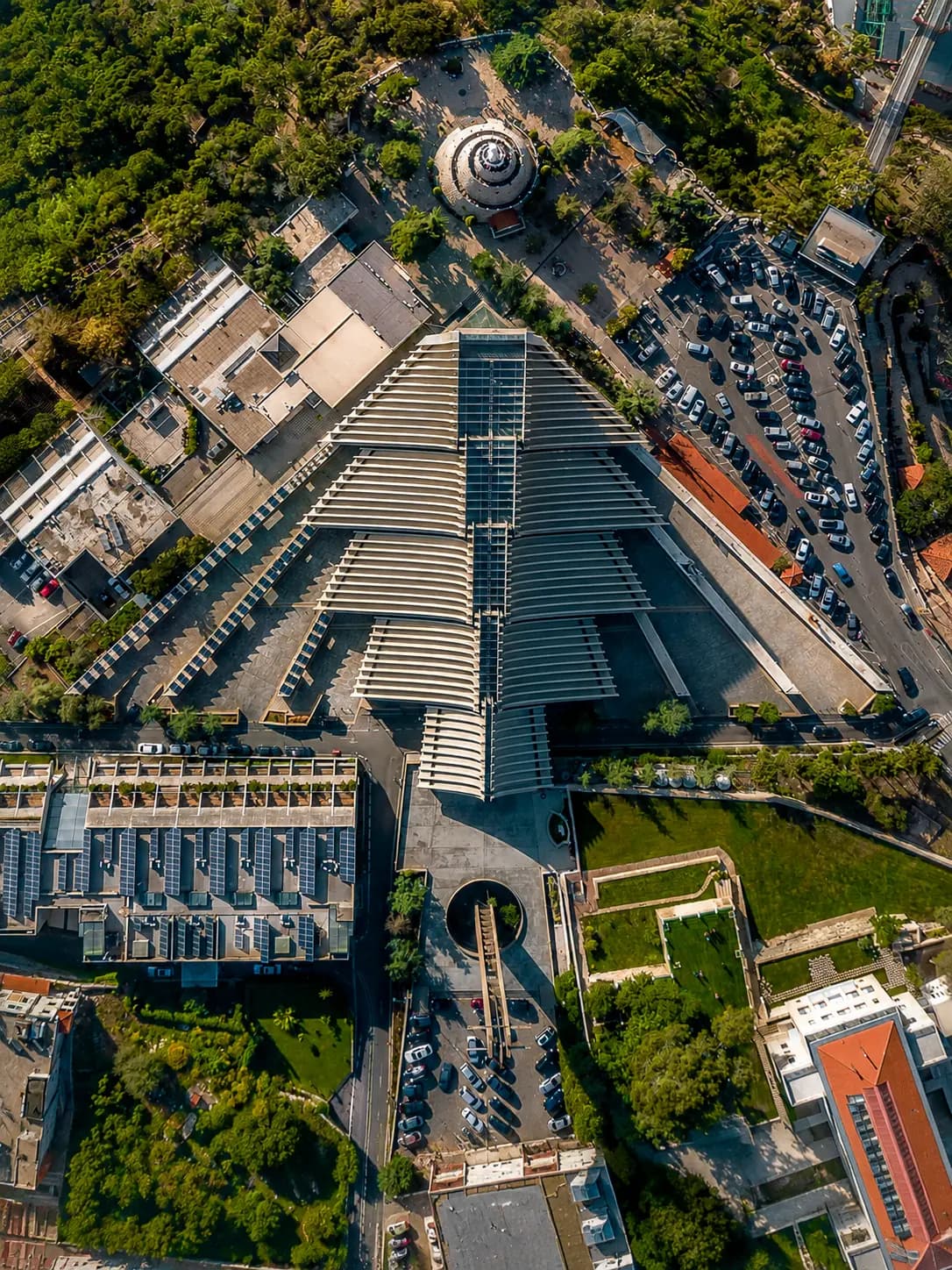
Look beyond the statue to the small chapel beneath its base and the much larger neighbouring basilica. The sanctuary describes the basilica’s form as drawing on both a cedar and a Phoenician ship. Access to church interiors depends on services and local arrangements.
Teleferique from Jounieh
The cable car from Jounieh is a well-known route towards Harissa, with a short funicular connection continuing uphill. Operations, hours and ticket conditions can change with weather, maintenance and season.
A taxi or car provides an alternative when the cable car is not operating.
After arriving, take time for the church buildings and terraces rather than making the statue the only stop. The view helps explain the shape of Jounieh Bay, with the city stretched between the sea and steep hills.
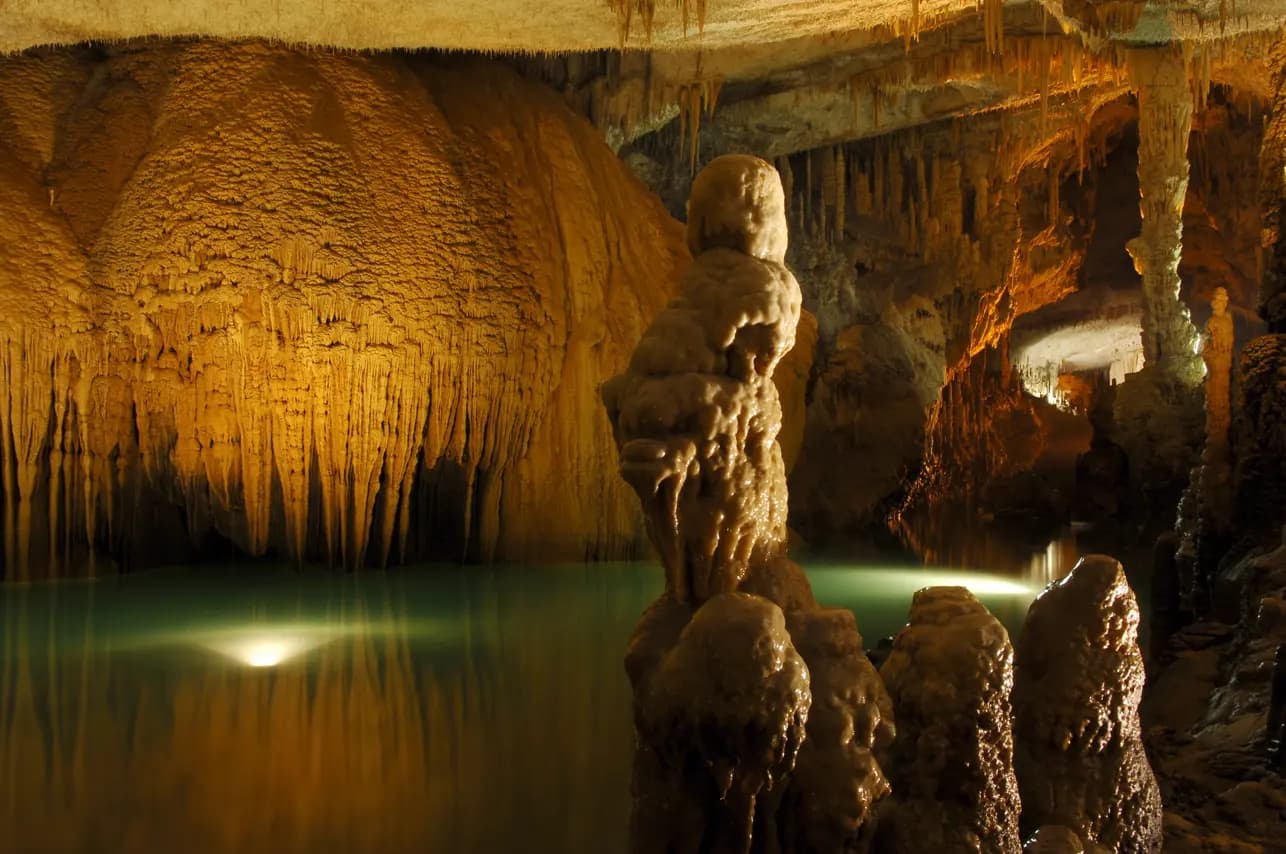
Harissa and Jeita make a geographically sensible combination when both are accessible. Leave the bayfront meal or old-Jounieh walk flexible around confirmed cave and transport operations.
Cover shoulders and knees for the sanctuary and keep voices low around services. Ask before photographing worshippers, and follow any signs about photography inside churches.
The stepped route around the statue is separate from enjoying the wider sanctuary. Visitors who are uneasy with heights, young children or people with limited mobility can focus on the terraces and accessible areas confirmed by staff. Ask about the full route, including any funicular transfer, before purchasing transport tickets.
Check the last return, not only the last entry
Before travelling up by cable car, confirm the last descent and how the funicular connection is operating. A road vehicle is an alternative, but arrange it in advance if the cable car will not cover your return.
Coastal haze, low cloud or rain may hide the bay even when the sanctuary is accessible. Dress for breezier conditions than at sea level and choose a clear day if the panorama is your main reason for visiting.
Beirut: Journey time varies with the route and traffic. Allow a generous margin and check current road conditions before departure.
Allow about 1–2 hours at the sanctuary, plus cable-car travel and queues if using the Téléférique.
Clear visibility matters more than a particular month. Late-afternoon light can be attractive, but confirm the return cable car before planning a sunset visit.
No. Taxi or car can reach the sanctuary and are alternatives when the Teleferique is not operating.
Can Harissa and Jeita be combined?
Yes, when both are open. Travel by taxi or car and leave a generous margin for traffic and queues.
Are Harissa and Our Lady of Lebanon the same attraction?
Harissa is the hilltop location; Our Lady of Lebanon is the sanctuary there. A visit commonly includes its statue, church buildings and views, with the Téléférique providing one way up.