 Attraction · Views and culture
Harissa
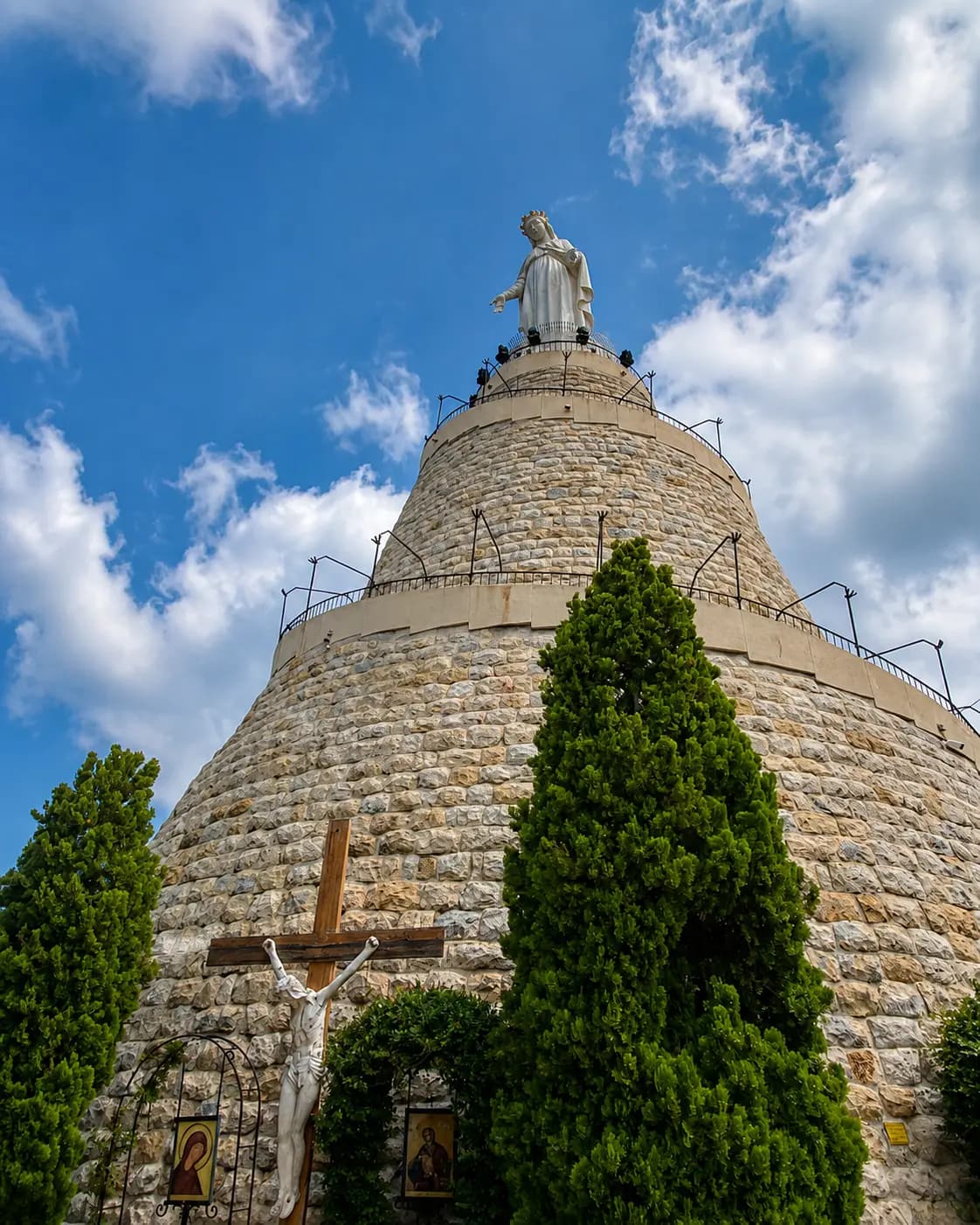
A major pilgrimage site above Jounieh Bay, centred on the Our Lady of Lebanon shrine and sweeping coastal views.
Read the Harissa guide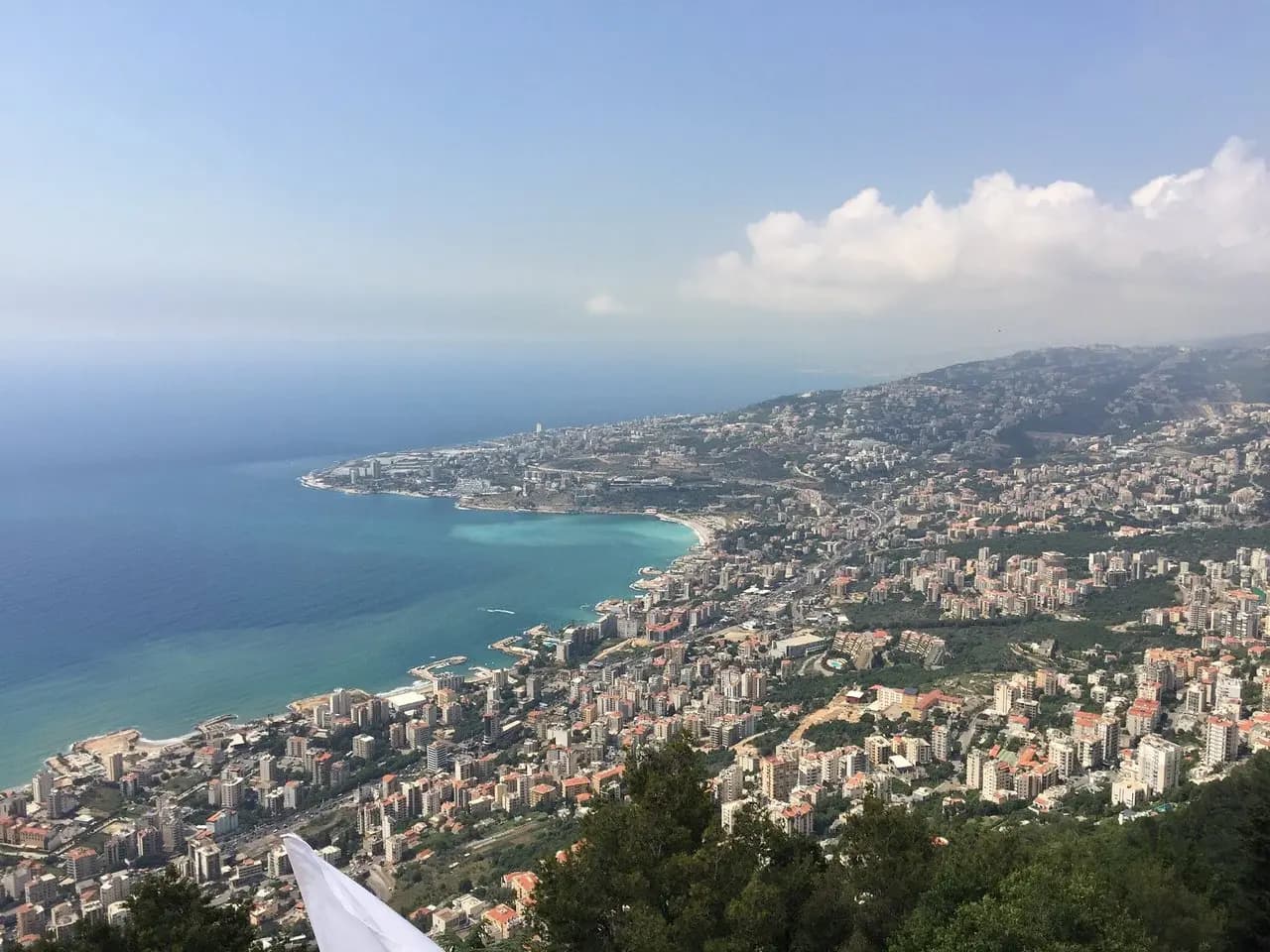
Mount Lebanon
A bay-side city between the Mediterranean and steep mountain slopes, with coastal life and easy access to Harissa and Jeita.
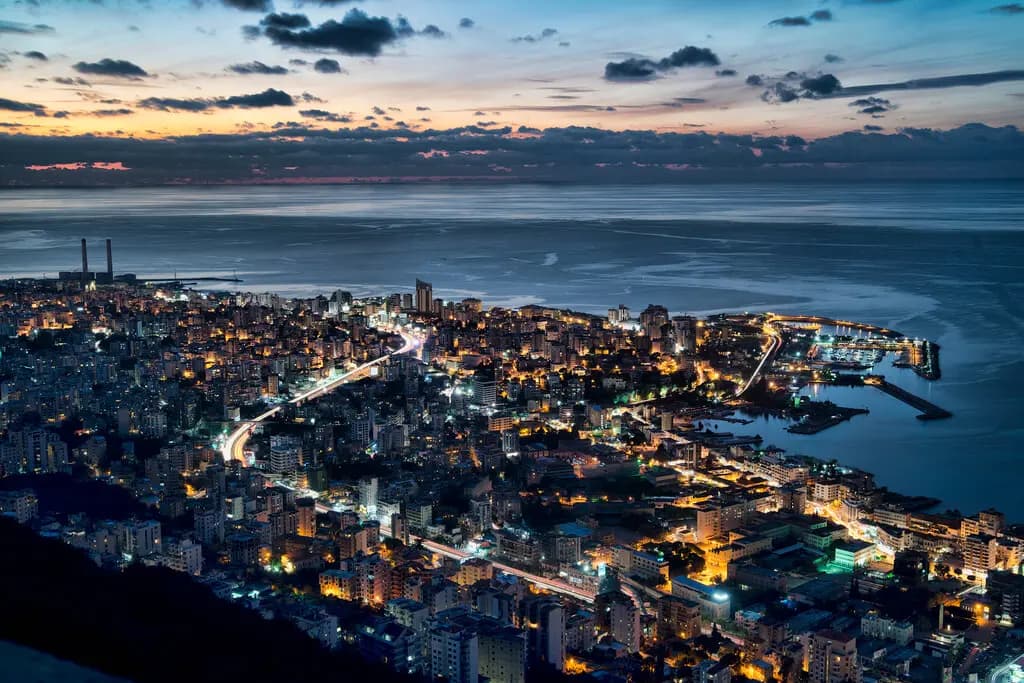
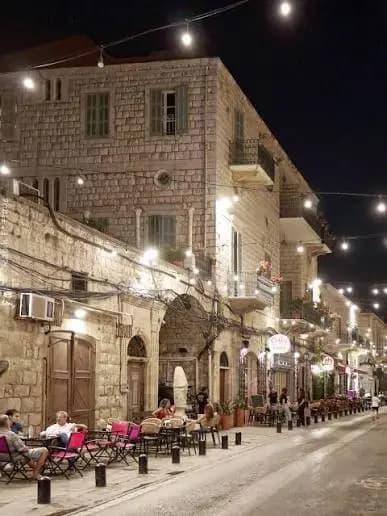
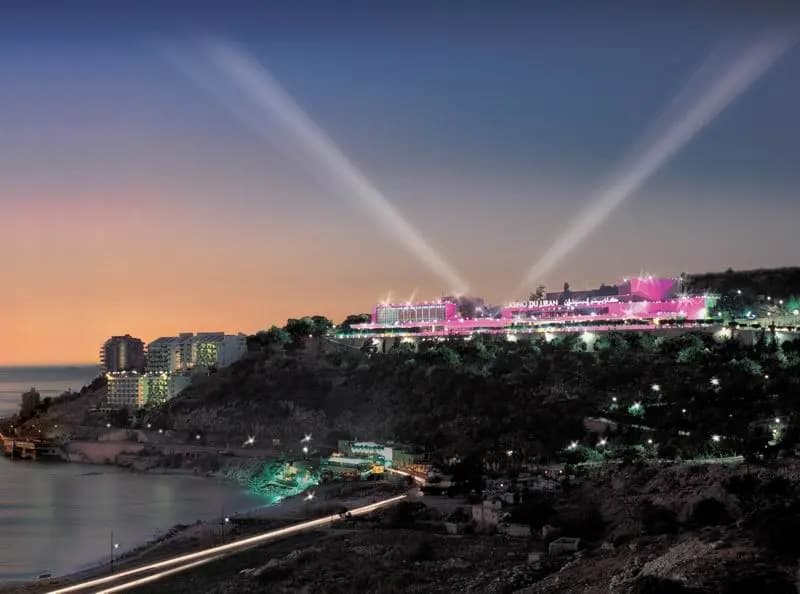
Jounieh follows the curve of a broad Mediterranean bay north of Beirut, with steep hills behind the coastal city. It is a useful base when Jeita, Harissa and trips farther north matter more to your itinerary than daily sightseeing in central Beirut.
The city is spread out: old Jounieh, Kaslik, Haret Sakher and Maameltein are not one compact pedestrian centre. Choose accommodation for the area where you expect to spend your evenings and check the walking route to it.
One day can cover Harissa and a relaxed old-town or waterfront stop. Two nights give room for Jeita, a slower evening and a separate outing to Byblos.
Old Jounieh suits evenings around historic streets and restaurants. Kaslik can suit shopping and dining, while Haret Sakher is useful when access to the Téléférique is a priority. Maameltein and the coast farther north have accommodation and seaside venues with a different, more spread-out layout.
Check the exact location rather than relying on “Jounieh” in a listing. Ask about road noise, the pedestrian route to restaurants, parking, pool or beach access, and any extra charge for those facilities.
For children, confirm sleeping arrangements, pool supervision and how you will travel between stops. For limited mobility, ask about the hotel entrance, lift and local pavements as well as the room.
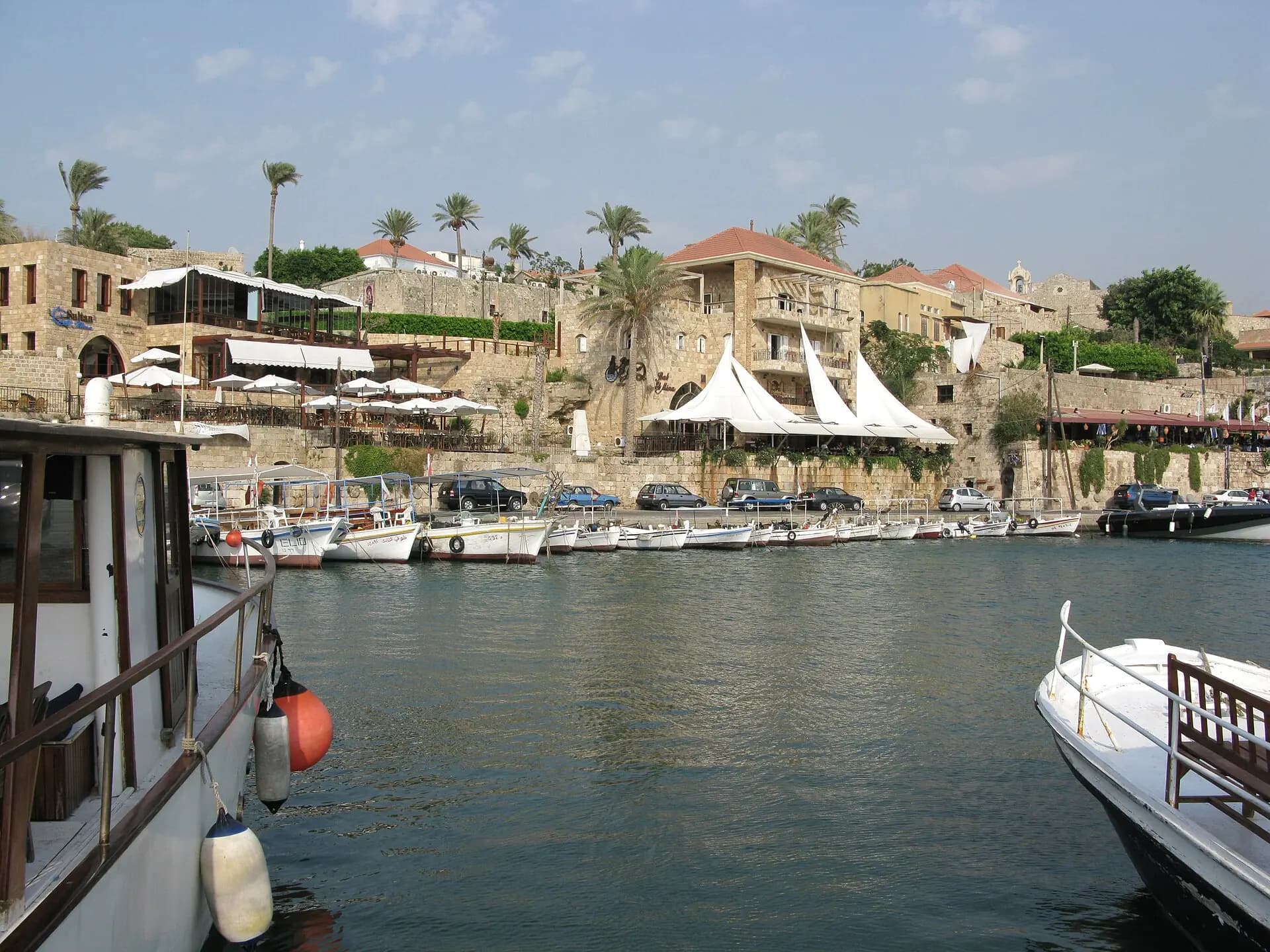
Walk sections of the waterfront and old town, visit the historic souk, or spend time around the harbour and Jounieh Bay. The waterfront is not one continuous public promenade, so choose a specific area rather than expecting an uninterrupted walk.
Casino du Liban stands just north of Jounieh. Check its current programme, identification, age and dress requirements directly before visiting.
The contrast between the historic centre, the modern waterfront and Kaslik allows visitors to experience several sides of Jounieh in one day.
The operator places the lower station on the seaside road in Haret Sakher, Jounieh. You can also board from the upper station at Harissa. Confirm the starting station when booking your driver so a return journey is arranged at the correct end.
The operator warns that high winds can stop the cable car. Check its current opening information on the day rather than relying on a fixed timetable; if it is closed, arrange a road visit to Harissa separately or keep the day around the bay.
The Teleferique rises from Haret Sakher above the city towards Harissa. A short funicular connection continues towards the Our Lady of Lebanon sanctuary, with wide views across Jounieh Bay when visibility is clear.
Operations can change with weather, maintenance and season. Check the official service status on the day and keep taxi or car transport as an alternative.
Harissa is an active pilgrimage site as well as a viewpoint. Dress respectfully, follow local instructions and remember that haze or cloud can limit the view.
Jounieh and the coast north of the city have beach clubs, hotel pools and smaller swimming areas. Many venues charge admission and operate seasonally.
Summer weekends are the busiest. Check entry conditions, age policies and what is included before travelling.
For a quieter period by the sea, morning is often better than late afternoon or evening, when both venues and coastal roads become busier.
Restaurants, bakeries, cafes and bars are spread between old Jounieh, Kaslik, the bay and Maameltein. Summer evenings and weekends are particularly lively.
Book popular venues ahead and ask whether parking, valet parking or a taxi is the most practical arrival option.
Prices and payment methods can vary markedly between an informal cafe and a large coastal venue, so check the menu and currency before ordering.
Old Jounieh’s stone buildings and historic souk suit a short walk with a meal or cafe stop. Kaslik is a busier commercial area for shopping and restaurants, so the two work as separate neighbourhood choices.
Choose the area first and then confirm the specific place you want to visit. Trying to walk the entire stretch between scattered venues may mean traffic, interruptions to the pavement and little time beside the water.
Jeita Grotto and Harissa can form one day when the cave levels and cable car are operating, with a pre-booked vehicle for the road connections. Confirm both attractions before choosing the order.
Byblos is better given its own day if you want time for the archaeological site, old souk, harbour and a meal. An evening return is still subject to coastal traffic.
Chouwen is a separate hiking outing with a demanding return climb. Plan it around the confirmed reserve entrance and walking conditions instead of adding it casually after a cave visit.
Use a taxi pre-booked through a reputable provider, an arranged driver or a hire car for travel between Beirut, Jounieh, Harissa and Jeita. Agree waiting time and the return in advance if visiting a cave or hilltop site.
The coastal highway can become heavily congested. Leave a generous margin for rush hour, summer evenings and weekends; a short map distance does not guarantee a quick transfer.
Within Jounieh, walking works best within a chosen area. Confirm the collection point for travel between Kaslik, old Jounieh, Haret Sakher, Maameltein and individual beach venues.
Summer is the liveliest season for beaches, restaurants and nightlife. Spring and autumn are often better for walking and excursions, while winter is quieter and some coastal venues reduce their hours.
Check weather and current operations when the cable car, Jeita or a boat trip is central to the day.
Save bookings, addresses and return-transport details offline before setting out.
Start with the activity that has confirmed opening or booking requirements: either Jeita on a combined excursion day or the Téléférique for a more local day. Keep enough time at Harissa to see the sanctuary as well as the view.
Return to one chosen part of Jounieh for lunch and a short walk. An old-town evening or a beach venue can be the final activity, but it need not be both.
With children, alternate an attraction with a meal or rest. If cloud hides the Harissa panorama or the cable car is closed, the old centre and a confirmed indoor or seaside venue can keep the day useful without a long diversion.
Nearby
Attraction · Views and cultureA major pilgrimage site above Jounieh Bay, centred on the Our Lady of Lebanon shrine and sweeping coastal views.
Read the Harissa guide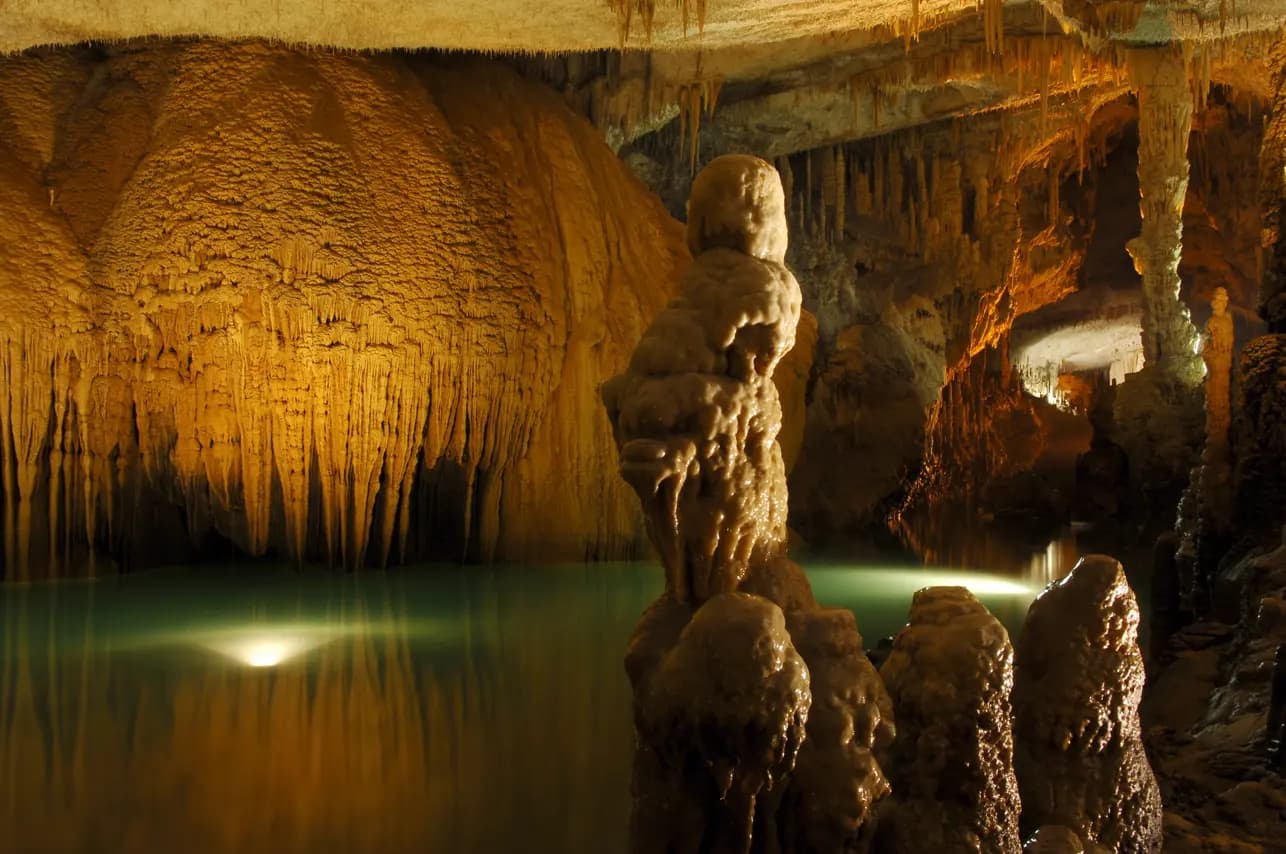 Attraction · Caves and nature
A vast limestone cave system with a walk-through upper gallery and, when conditions allow, an underground boat trip.
Read the Jeita Grotto guideContinue planning
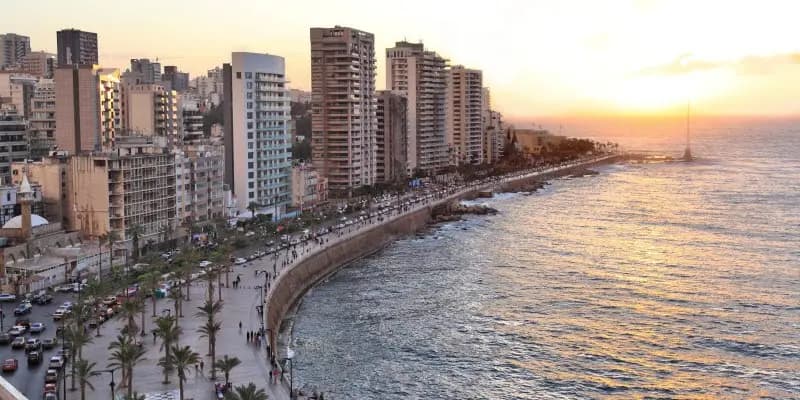
Lebanon's energetic capital, where museums, neighbourhood restaurants and Mediterranean walks sit close together.
Explore BeirutA walkable coastal town where an ancient UNESCO site, stone lanes and the old harbour are all within easy reach.
Explore ByblosPlan your visit
Yes. The bay, old souk, Kaslik, restaurants and coastal atmosphere can easily fill a day, especially in summer.
A taxi pre-booked through a reputable provider, an arranged driver or a hire car is simplest. Traffic makes journey times highly variable.
Often yes, if both are open and you travel by taxi or car. Leave a generous margin for traffic.
Choose a specific section of the bay, old Jounieh or the harbour rather than expecting one continuous public promenade.
Summer evenings and weekends are busiest for beaches, restaurants and nightlife. Winter is quieter and some coastal venues reduce their hours.
It is just north of Jounieh. Check current admission, identification, age, dress and programme details directly before visiting.