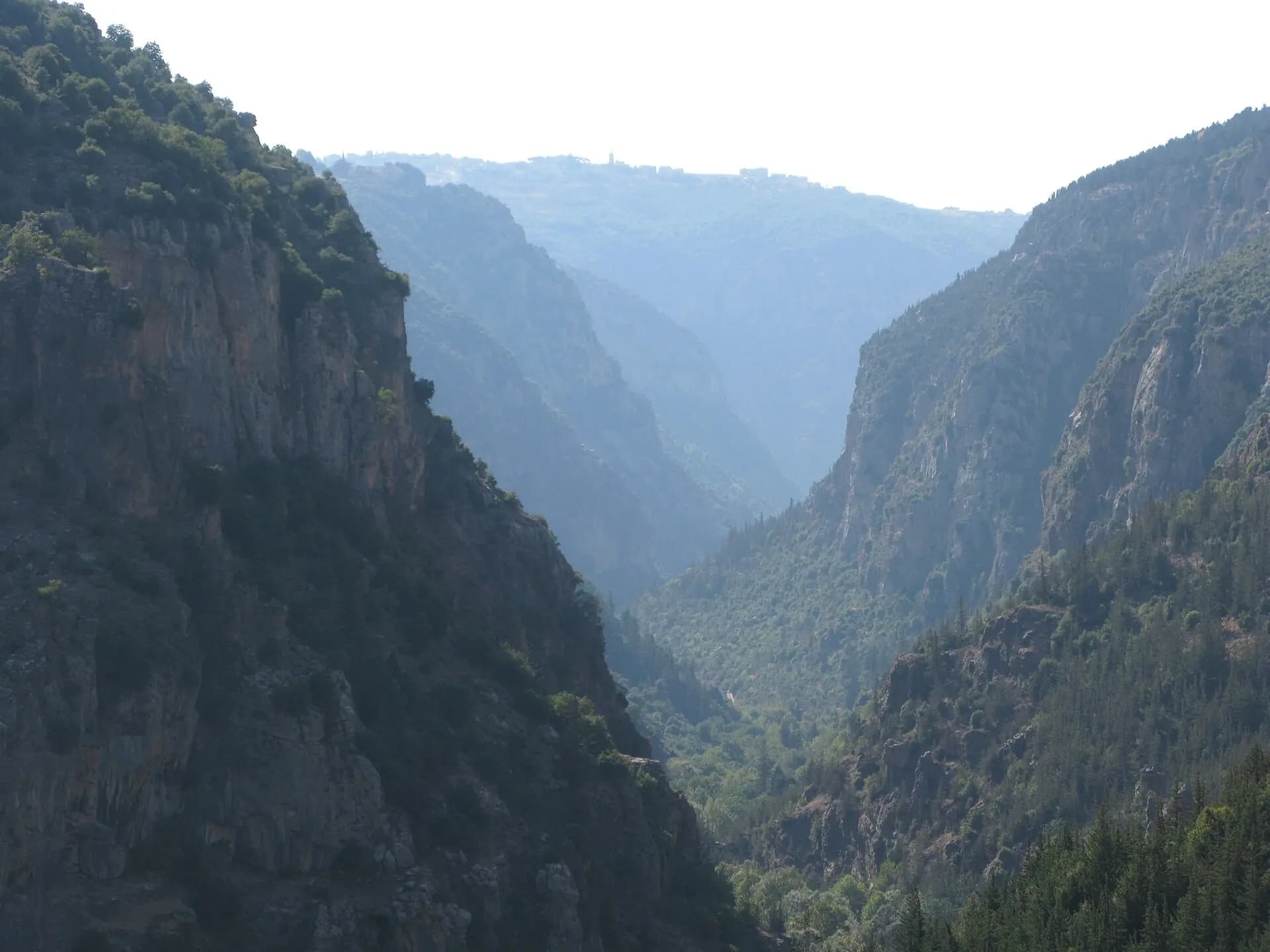
A dramatic mountain valley of cliffs, paths and historic monasteries, protected as a UNESCO World Heritage Site.
Valleys and hiking
Quick facts
Area
North Lebanon, near Bsharri
Type
Mountain valley and cultural landscape
Status
UNESCO World Heritage
The Holy Valley
Qadisha, the Holy Valley, preserves a landscape shaped by Christian monastic life: cliffside monasteries, hermitages, caves and cultivated terraces. UNESCO identifies Qannoubine, Qozhaya, Hawqa and Mar Lichaa among its main monasteries.
These are parts of a living religious landscape, not a single outdoor museum. The significance lies in how buildings, paths and cultivated land fit into the cliffs as much as in any one church interior.
Choose a viewpoint, monastery visit or hike
A roadside viewpoint, a visit to one accessible monastery and a several-hour valley walk are three different plans. Pick the exact objective before arranging transport and ask about the current access to that section.
A descent into the valley also requires an ascent or a confirmed collection at another point. Do not start down simply because the first stretch feels easy; check the total elevation change, return route and available daylight.
Visiting the monasteries respectfully
Choose one or two monasteries according to access and the route, rather than assuming every site can be linked in a short walk. Opening a chapel to visitors may depend on the community and the day’s services.
Cover shoulders and knees, speak quietly and ask before photographing interiors or people. Some areas are private or fragile; do not enter caves, hermitages or closed buildings simply because they appear on a map.
Trail conditions, families and local guides
Expect steep ground, uneven paths and changes in shade and exposure. Rain can make stone slippery, while summer warmth can make the return climb tiring. Carry drinking water, food, an extra layer and an offline route.
For an unfamiliar or longer walk, a local guide can help choose a suitable section and arrange the correct start and finish. With young children or limited mobility, a confirmed viewpoint or shorter monastery visit is a more predictable choice than a valley-floor route.
Give your route and expected return to your accommodation or another reliable contact. Follow local closures and turn back if the trail, weather or remaining daylight no longer matches the plan.
The Lebanon Mountain Trail Association identifies Section 7 as the route between Qozhaya and Bcharre, another spelling of Bsharri. Its published section table gives approximately 13.7 km. This is a reference for a substantial walking day, not a short monastery stroll or a promise that the full route is currently open.
Ask LMTA or a knowledgeable local guide for the current route, elevation changes, trail condition and transport at both ends. If that walk exceeds your time or fitness, choose one confirmed monastery visit or viewpoint instead. Keep the cedar grove and a longer valley hike on separate days.
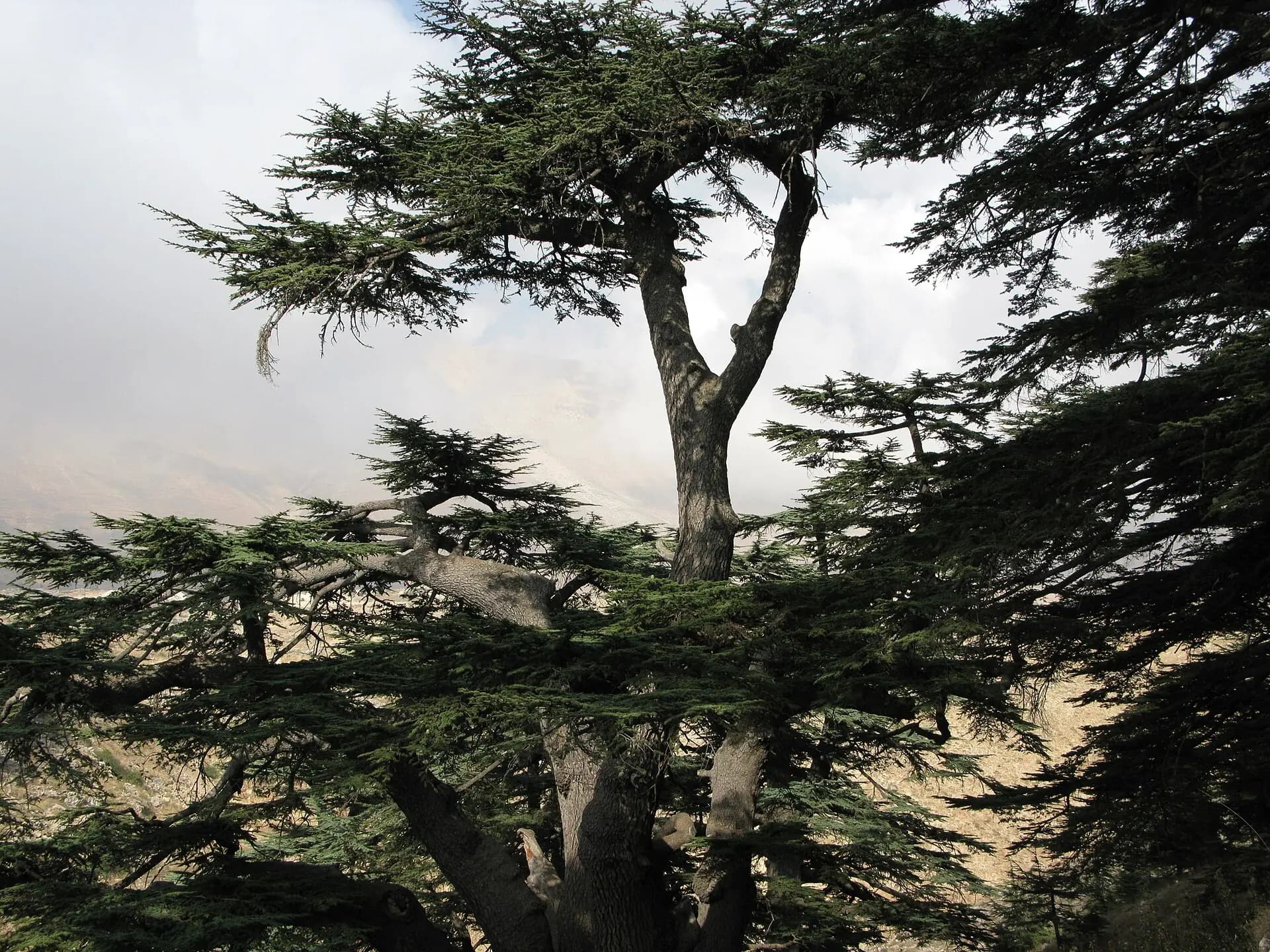
Bsharri gives access to the valley area and to Cedars of God above the town. Ask your host about the exact trailhead: accommodation near a valley view is not necessarily close to a safe descent.
Two nights can allow a full walking day between arrival and departure, plus a separate cedar-grove visit. On a day trip from Beirut, choose a short, defined objective instead of treating the entire valley as one stop.
Beirut: The valley is best suited to a long day trip or an overnight stay. The chosen trailhead, traffic, mountain roads and weather all affect travel time.
From a few hours at a viewpoint to a full day of hiking.
Spring and autumn are often comfortable; summer heat and winter weather require adjustment.
Are Qadisha Valley and Cedars of God the same place?
No. They are separate components of the same UNESCO World Heritage property and can both be visited from Bsharri.
Do I need a guide to hike?
Not for every short and clearly marked section, but a guide is recommended for longer routes, difficult terrain or unfamiliar trailheads.
Can I see Qadisha Valley without a long hike?
Yes. Plan a confirmed viewpoint or an accessible monastery visit rather than a valley-floor walk. Check the exact road, steps and visitor access locally before travelling.