Two major archaeological areas preserving Roman streets, baths, a necropolis and a vast hippodrome.
Archaeology and history
Quick facts
Area
Tyre / Sour, South Lebanon
Principal areas
Al-Bass and Al-Mina
Status
UNESCO World Heritage
Plan for more than one archaeological area
Tyre’s remains are not gathered behind a single entrance. The two principal visitor areas are generally described as Al-Bass east of the centre and Al-Mina close to the historic coastal city.
Check current access to both before planning the day. The experience differs substantially if only one area is open.
Al-Bass: necropolis, arch and hippodrome
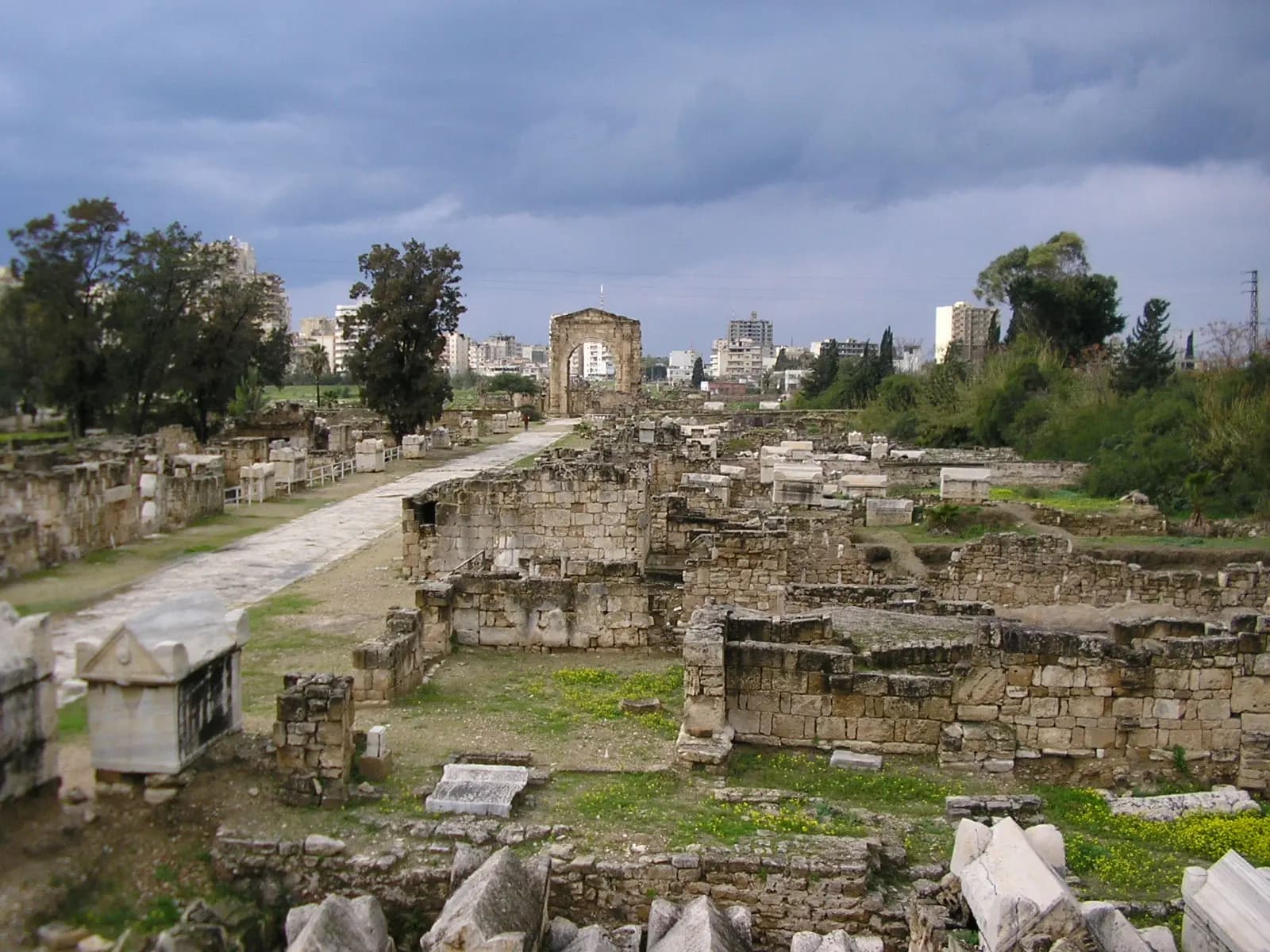
Al-Bass is the larger and more monumental area. A Roman and Byzantine road crosses an extensive necropolis towards a great triumphal arch.
Farther in, the hippodrome demonstrates the scale of the Roman city. Distances are greater than they first appear and shade is limited.
Al-Mina beside the ancient coastal city
Al-Mina lies closer to the sea and includes colonnades, baths, mosaics and remains from several periods. It links the archaeology more directly with the modern coastal city.
Tyre was a central Phoenician port and UNESCO highlights its role in Mediterranean trade and colonisation, although many of the most visible remains today are Roman or later.
Choose the areas before planning the day
Confirm Al-Bass and Al-Mina separately, including their entrances and any conservation closures. If both are accessible and current advice permits travel, give the larger Al-Bass area a generous block of time and allow a transfer before continuing to the coastal site.
A guide can help connect the visible Roman and Byzantine remains with Tyre’s earlier Phoenician history. Do not expect every famous episode in that history to have an obvious monument at today’s visitor sites.
Walking distances, sun and children
Both areas involve outdoor archaeology with uneven surfaces, loose stone and limited shade. Bring water and sun protection, and plan breaks away from exposed ruins. Sturdy shoes are more useful than footwear chosen for a later beach stop.
For families, one site explored slowly may work better than two hurried visits. The hippodrome’s scale can give children a clear subject to focus on. Ask about the current entrance route if step-free access is essential.
The old harbour and wider Tyre
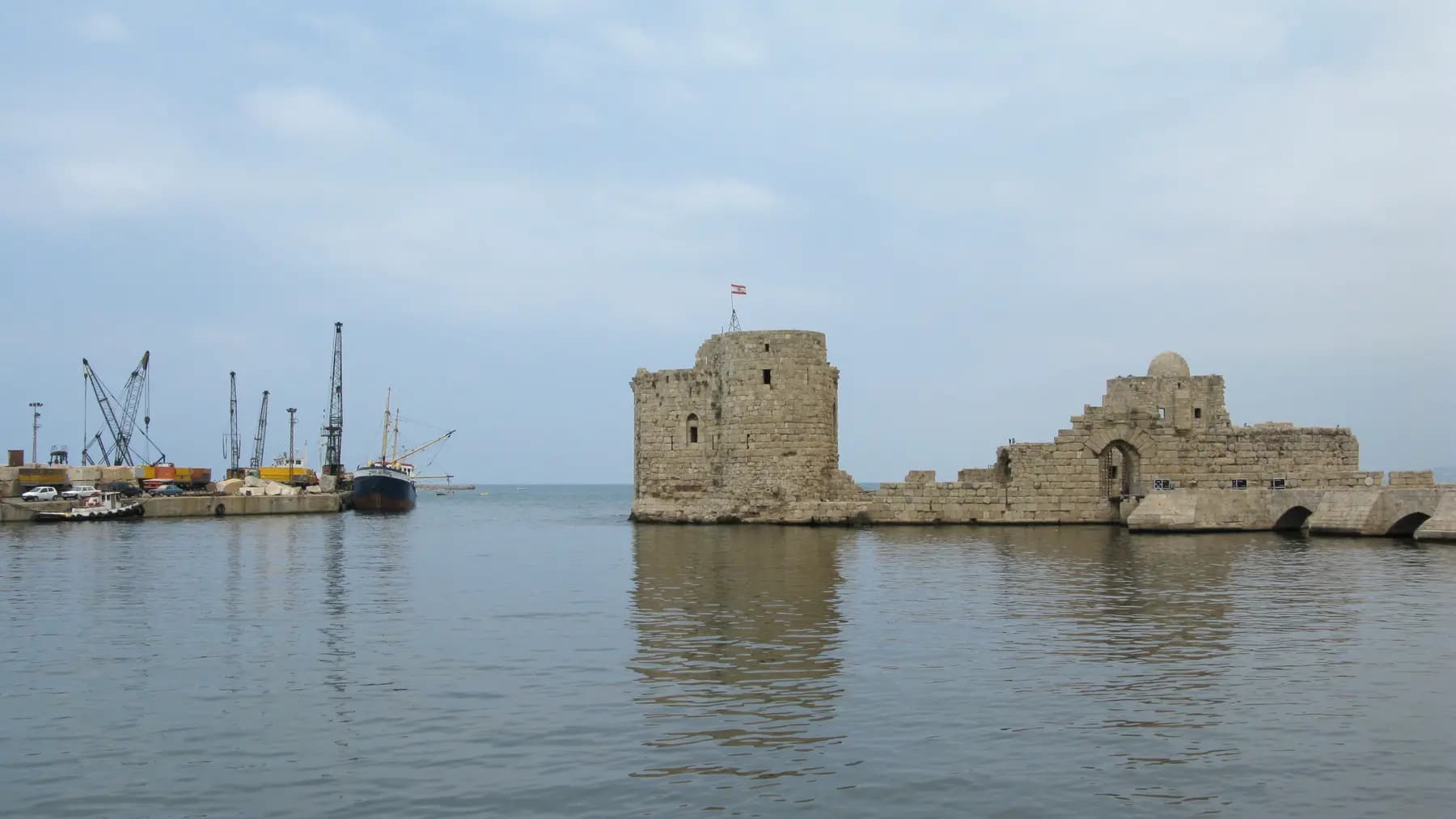
The city is also known as Sour. A walk around the old harbour and a meal are separate additions to the archaeological visit, so leave room for them if a future journey is appropriate.
Do not assume that a coastline view means there is a suitable swimming place nearby. Beach access, sea conditions and conservation arrangements require their own checks. Use the South Lebanon guide for the relationship between Tyre, Sidon and the wider region.