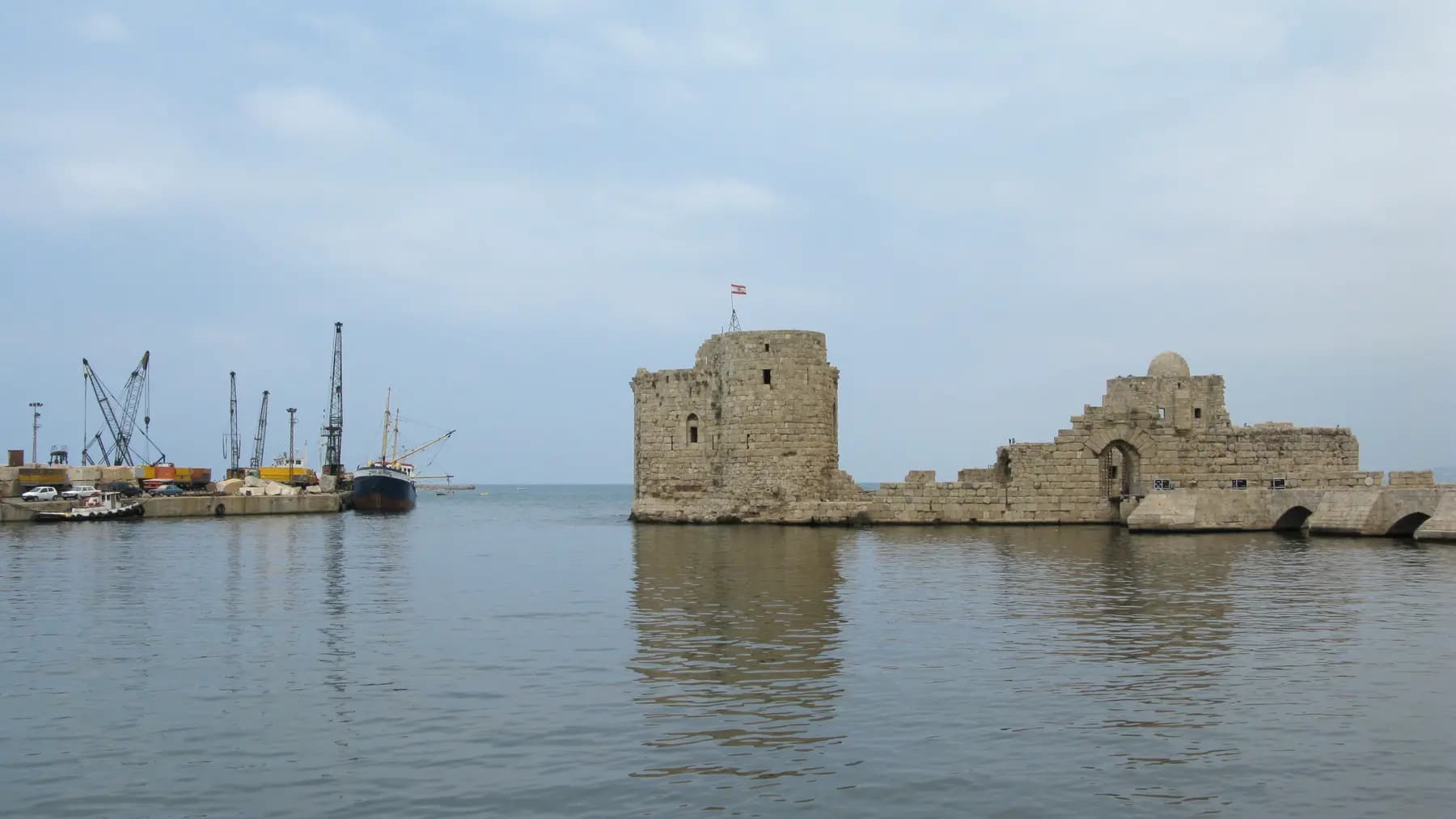
Sidon Sea Castle
A Crusader fortress built on a small island at the edge of Sidon's old city and harbour.
Read the Sidon Sea Castle guideOld ports and archaeological coasts
Sidon, Tyre and Jezzine preserve important parts of Lebanon’s coastal and mountain heritage. Use this guide for background and future planning alongside current official travel advice.
Open the region guide
Security conditions and official advice take priority over the suggested visit patterns below. Check the linked government advice and its regional map before making travel arrangements; a heritage listing or open venue does not establish that a journey is appropriate.
Sidon’s old city, Tyre’s separate archaeological areas and Jezzine’s mountain setting are three distinct visits. None is well served by a hurried attempt to cover the whole south in one day.
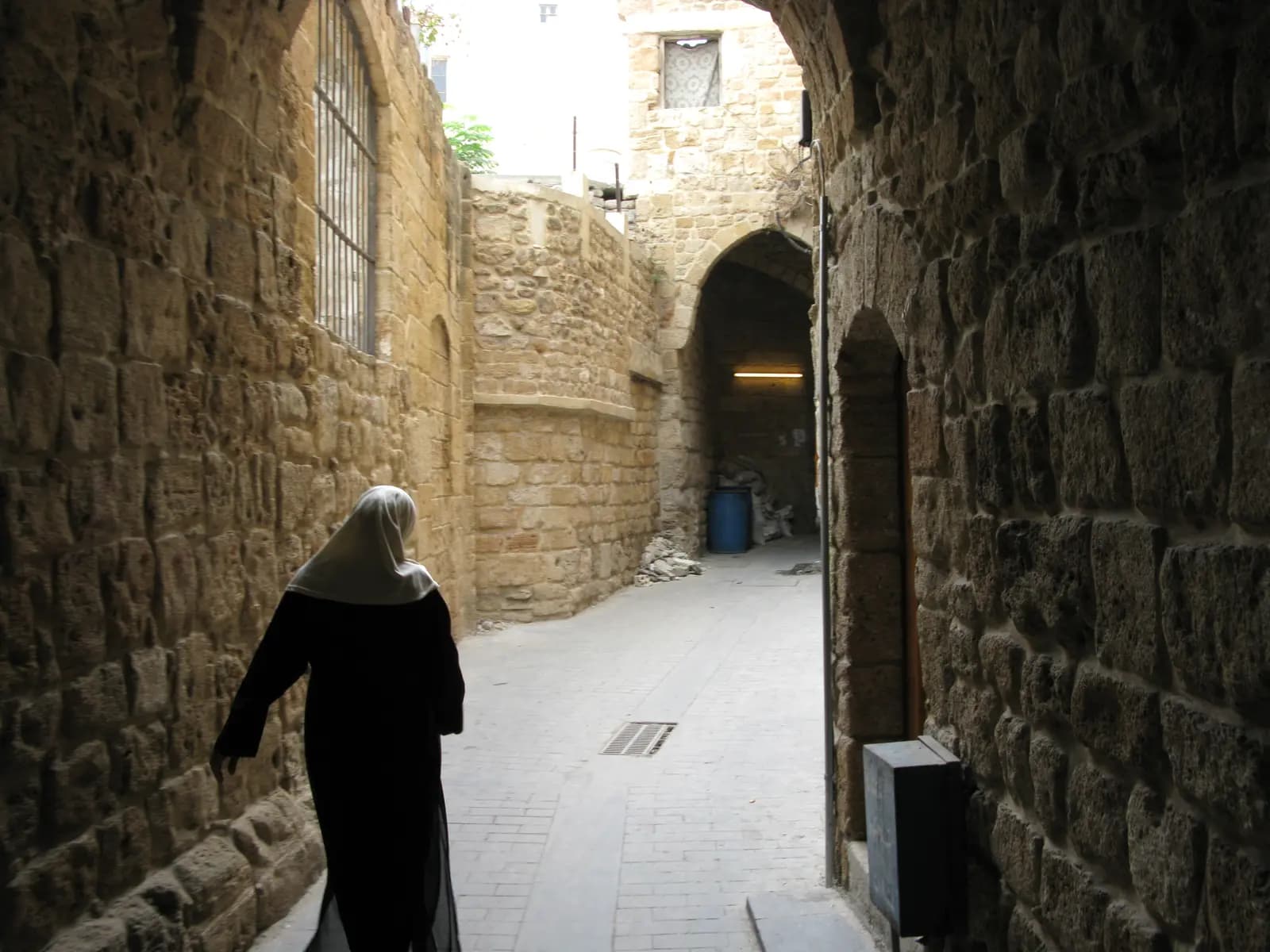
Sidon is also known as Saida. Its Sea Castle gives a clear coastal starting point for understanding the old city, while the souk lanes behind the harbour lead to courtyards, workshops and museums.
When travel and local access allow, a half day can connect the castle, Khan el Franj and the Soap Museum with a walk through the souk. A slower day leaves time for food and additional heritage interiors whose access should be checked individually.
Old Saida is a working neighbourhood. Keep passages clear, ask before photographing people, and use the waterfront as an orientation point when the lanes become confusing.
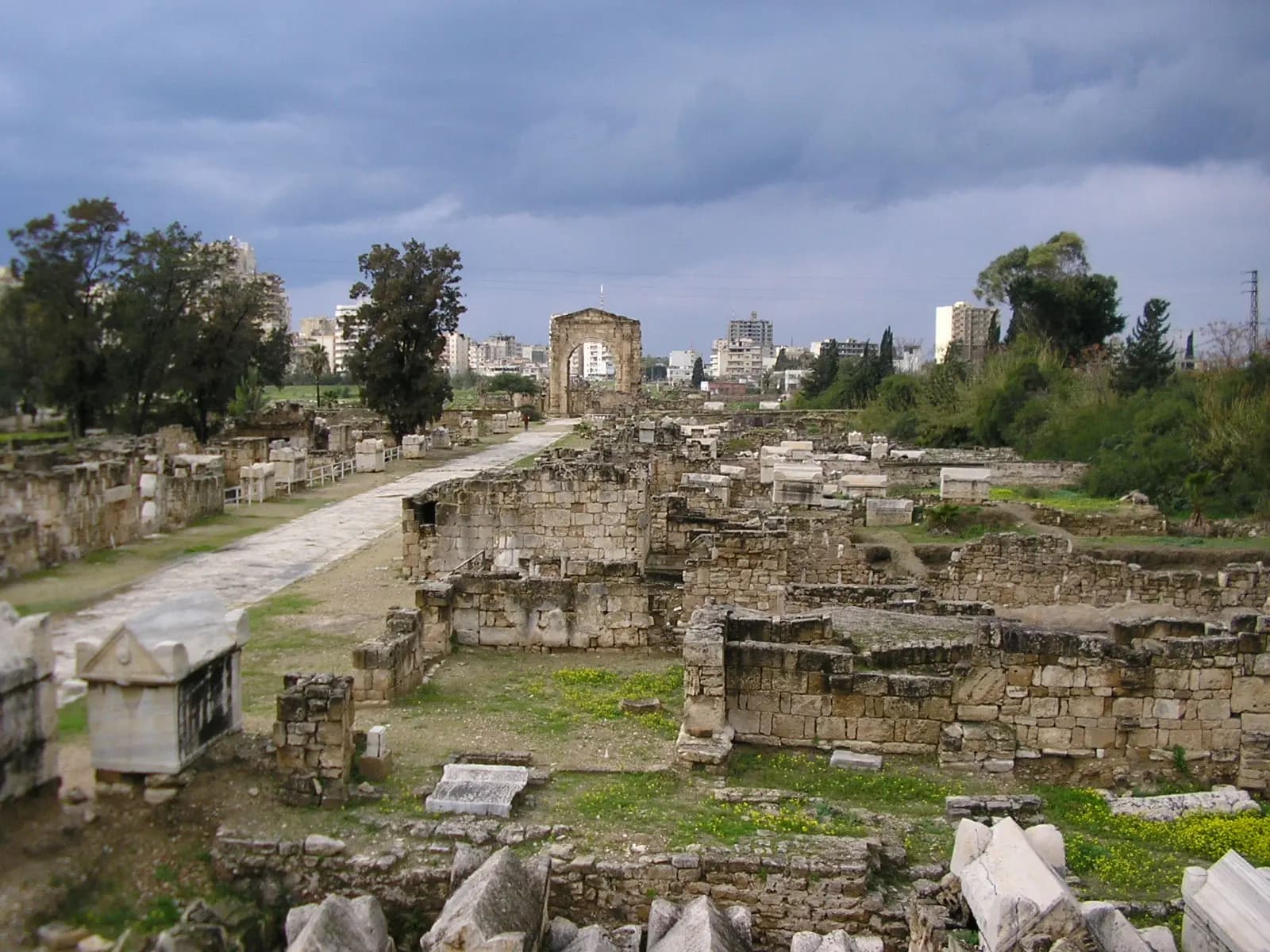
Tyre, or Sour, combines Phoenician maritime history with extensive visible Roman and later remains. Al-Bass contains the necropolis, monumental arch and hippodrome; Al-Mina is nearer the historic coastal city and has streets, baths and other remains.
The two areas require separate access checks and time between them. If a future visit is feasible, plan archaeology early in the day and leave a separate block for the old harbour, food and the seafront.
A beach day is a different plan from an archaeology day. Confirm local access, water conditions, facilities and conservation rules independently; this guide does not verify a swimming beach or current bathing-water quality.
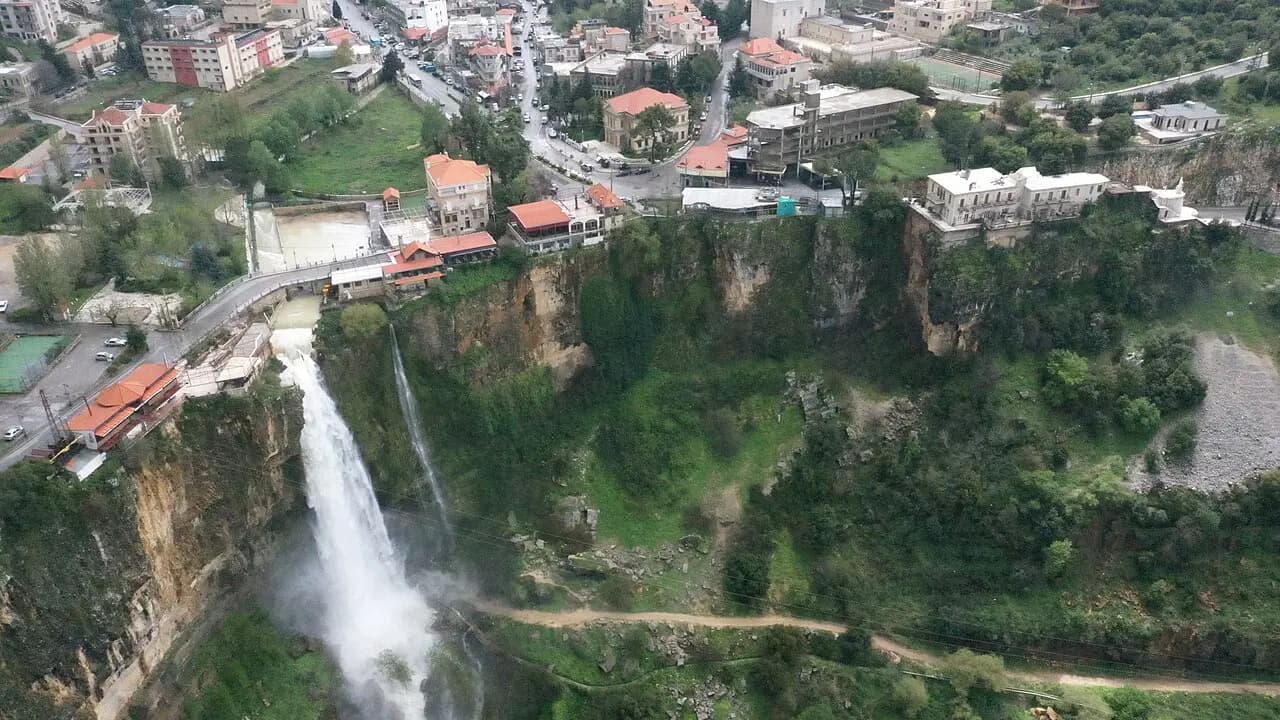
Jezzine’s waterfall is associated with the cliff below town, so the natural focus is a viewpoint and time in Jezzine itself. The amount of water varies with rainfall and snowmelt; a dry-season visit should have a reason beyond recreating a spring photograph.
This is a mountain excursion with different roads and weather from the coastal cities. Once advice and access permit, give it its own day or overnight stay instead of adding it to a late return from Tyre.
Compare the precise destination and approach road with the current advice map before booking transport or accommodation. Conditions elsewhere in Lebanon do not establish conditions in the south, and a local business accepting a reservation is not a substitute for official advice.
For any later trip that is appropriate, arrange transport and an agreed return before leaving, keep essential details offline and allow daylight for the journey. Follow access restrictions at archaeological areas; do not look for informal ways around closed entrances.
The National Museum of Beirut can help explain the archaeology of Sidon and Tyre while you are planning a wider heritage itinerary. Use the southern attraction guides to understand the sites and revisit operational details close to any future journey.
Keep a short itinerary flexible enough to replace a destination when conditions change. It is more useful to understand two places well than to treat every historic city as a compulsory stop.
Explore
A Crusader fortress built on a small island at the edge of Sidon's old city and harbour.
Read the Sidon Sea Castle guideA compact historic quarter of vaulted lanes, workshops and food stalls behind Sidon's harbour.
Read the Sidon Old Souk guideTwo major archaeological areas preserving Roman streets, baths, a necropolis and a vast hippodrome.
Read the Tyre Archaeological Sites guideA seasonal waterfall below the mountain town of Jezzine, with viewpoints across the southern highlands.
Read the Jezzine Waterfall guide