Baalbek
A Bekaa Valley city centred on one of the Mediterranean region's most monumental Roman temple complexes.
Explore BaalbekTemples, vineyards and open landscapes
Lebanon's broad inland valley is known for Baalbek, Anjar, Zahle and long-established wineries.
Open the region guide
The Bekaa is an agricultural valley between mountain ranges, with distinct northern, central and southern trip areas. A guide to the valley is useful for planning connections, but does not mean every part has the same access or travel advice.
Choose one main archaeological site and one complementary stop for a day trip. More time allows a slower visit to Zahle and the valley’s food and wine culture.
Zahle, also written Zahlé or Zahleh, is a useful focus for a food-led visit. Its connection with grapes, wine, arak and long meals is recognised through UNESCO’s Creative Cities of Gastronomy network. This designation is separate from the archaeological World Heritage listings elsewhere in the valley.
The Berdawni riverside is known for restaurants. Leave time for a meal rather than treating Zahle only as a road junction between ruins. Ask about seasonal opening, the menu and the currency used for prices before sitting down.
A short city walk and lunch can combine with a booked winery visit near Zahle. If wine tasting is part of the day, arrange a non-drinking driver for the whole journey.
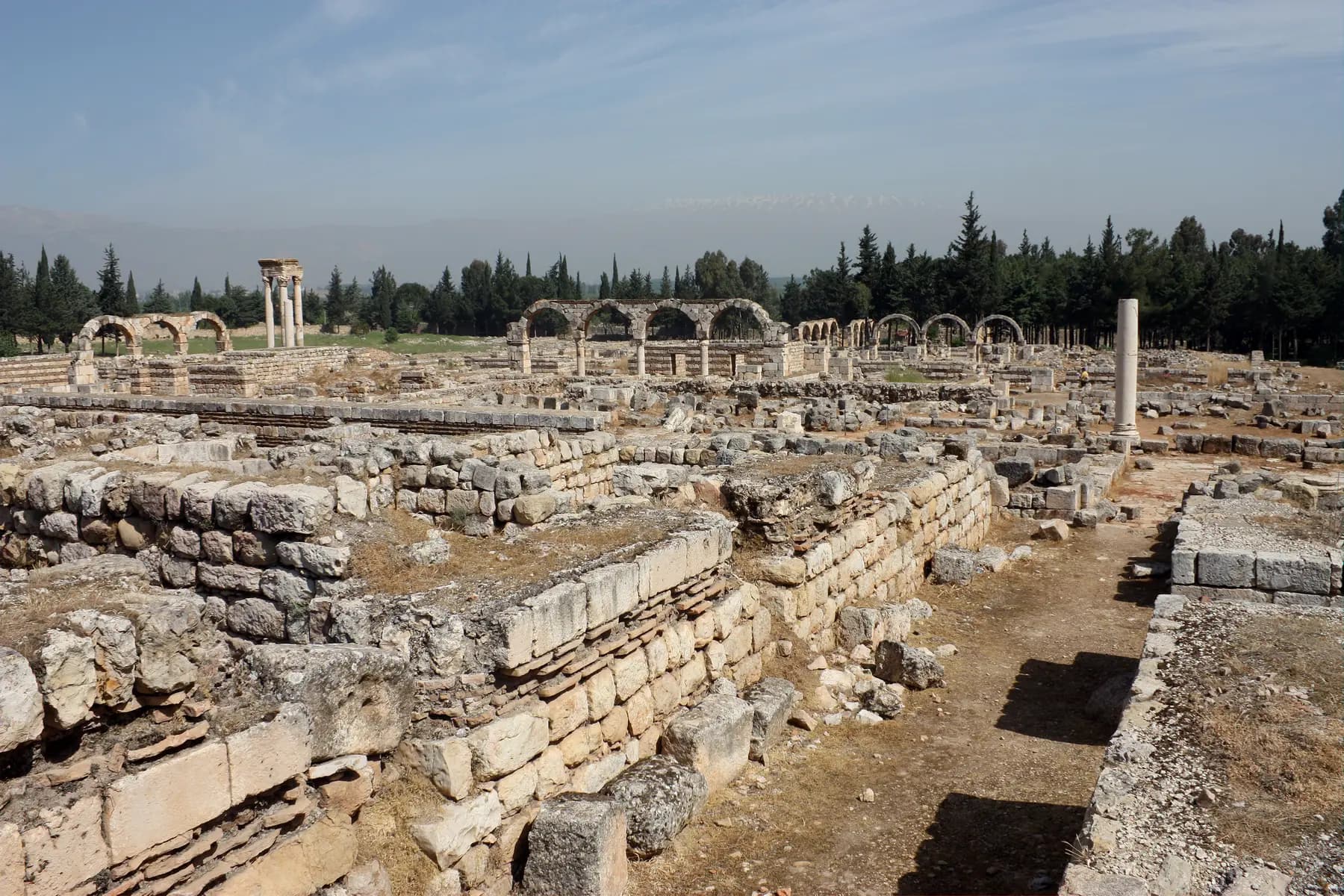
Baalbek is a Roman sanctuary complex whose scale calls for several hours. Anjar is a planned Umayyad city where the arrangement of streets and buildings is part of the interest. They complement each other historically, but they are not neighbouring entrances to one site.
Check official travel advice for Baalbek and the entire route before adding it to a leisure itinerary. Where a journey is appropriate, choosing one archaeological site gives more room for a guide, shade breaks and lunch; both sites plus multiple tastings makes an overfull day.
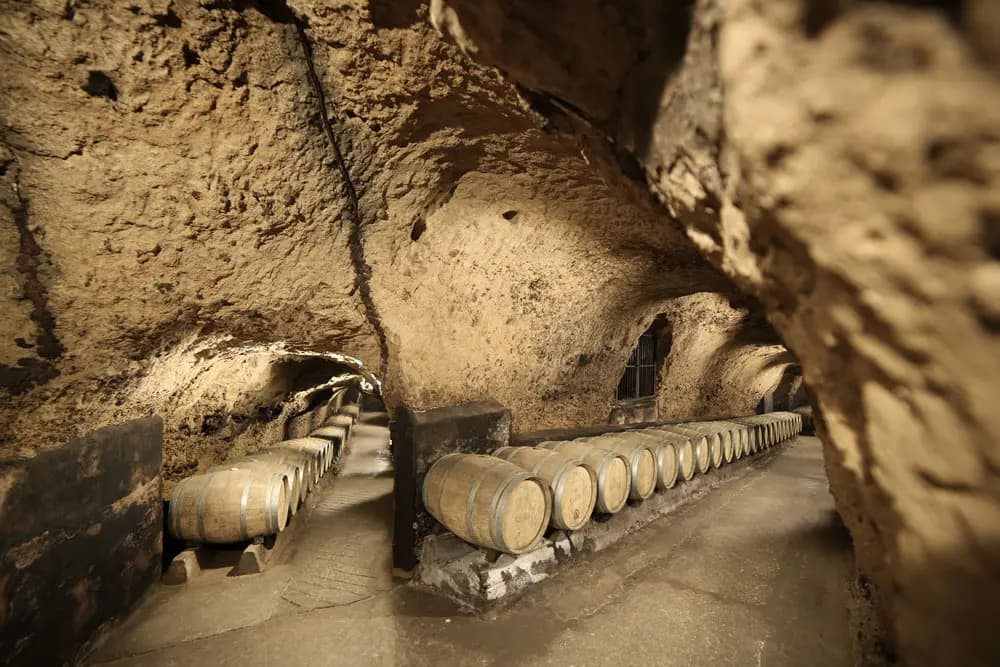
For Chateau Ksara or another winery you have independently checked, confirm the visit time, language, cellar access and whether a tasting needs a separate booking. A cellar tour and a walk through vineyards are different products; do not assume a tasting reservation includes both.
Tell the winery about children, mobility requirements and anyone who will not drink. Build the meal and transport around the confirmed booking rather than arriving at several wineries and hoping to join a tour.
For a shorter day, Zahle and a winery make a focused combination. Anjar can be the main historical stop on another day, with time left for a meal in the surrounding area. A separate Baalbek visit should depend on current advice and conditions.
If staying overnight, compare the actual hotel address with your appointments and ask about parking, meals, power, cooling and winter heating. Zahle can suit a central-valley plan, but no single base makes the whole Bekaa a short drive.
The valley is inland: exposed ruins can feel very hot in summer, while winter mornings and evenings can be cold. Carry sun protection, water and an extra layer rather than packing only for Beirut’s coastal weather.
Road travel from Beirut involves the mountains. Congestion, fog, snow and checks can all affect progress; use a reputable pre-booked driver or a carefully planned hire-car route, and allow generous time for the return. Confirm the exact route as well as the destination.
Published guides
A Bekaa Valley city centred on one of the Mediterranean region's most monumental Roman temple complexes.
Explore BaalbekExplore
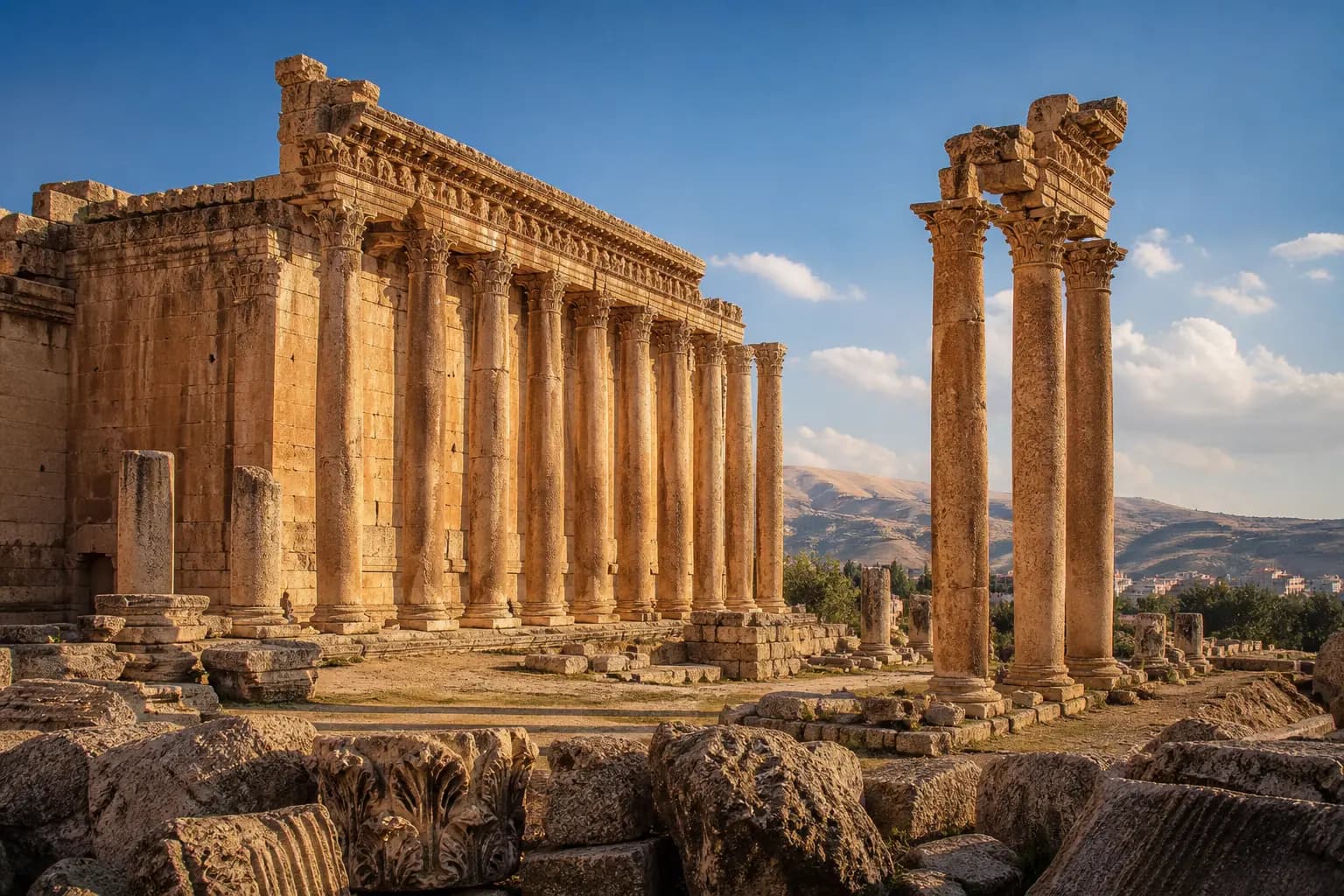
Attraction · Archaeology and historyOne of the Roman world's most monumental sanctuary complexes, dominated by the temples of Jupiter and Bacchus.
Read the Baalbek Temples guideA rare planned Umayyad city in the Bekaa Valley, with colonnaded streets, palaces and early Islamic remains.
Read the Anjar guideA historic Bekaa Valley winery known for its underground cellars and an introduction to Lebanese wine.
Read the Chateau Ksara guide