Plan your visit
Beirut: Anjar can be visited as a day trip. Traffic, road conditions and possible checks can affect journey times.
Allow 1–2 hours at the archaeological site.
Morning or late afternoon during hot months.
Archaeology and history
A rare planned Umayyad city in the Bekaa Valley, with colonnaded streets, palaces and early Islamic remains.
Archaeology and history
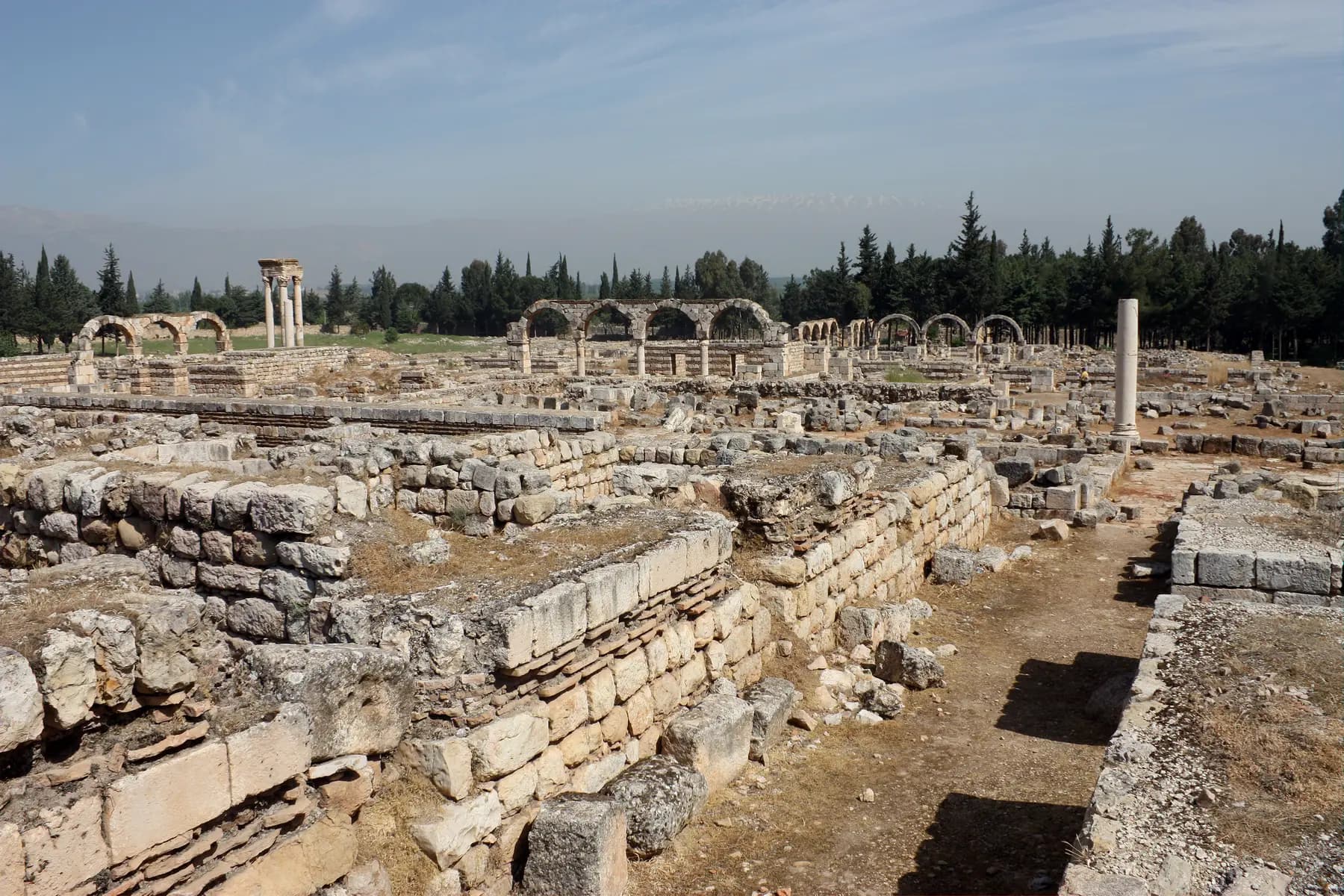
Anjar was founded during the Umayyad period and built to a clear urban plan. Its principal streets, residential quarters, palaces, baths and religious buildings can still be read in the ruins.
The site represents a different era from Baalbek and therefore adds useful contrast to a historical journey through the Bekaa Valley.
The modern town is closely associated with Lebanon’s Armenian community. Keep the archaeological site and the present-day town distinct when planning the visit.
Anjar’s main streets cross within a walled plan, with the remains of palaces, public buildings and other urban spaces laid out around them. Follow the approved visitor paths and use the site plan to see how those parts relate.
The site belongs to the Umayyad period, although its architectural forms draw on earlier traditions. This makes it a useful companion to a Roman site: the interest is as much in a planned city as in a single great monument.
Allow one to two hours and wear shoes suited to loose stone and uneven ground. Shade is limited; carry water and put the walk earlier in the day in hot weather.
A simple route around the main streets may suit children better than inspecting every foundation. Ask about the entrance and current ground conditions if using a pushchair or wheelchair; visible straight streets do not guarantee smooth surfaces.
The modern town has an Armenian identity distinct from the ancient site. Leave room for a meal and the surrounding area if that interests you, while confirming the opening of any place you intend to visit.
Zahle or a booked Chateau Ksara visit can complement Anjar on a central-Bekaa day. Adding Baalbek requires a separate decision about travel advice, road conditions and time, rather than assuming that all the valley’s highlights fit comfortably together.
Beirut: Anjar can be visited as a day trip. Traffic, road conditions and possible checks can affect journey times.
Allow 1–2 hours at the archaeological site.
Morning or late afternoon during hot months.
Continue planning
Nearby
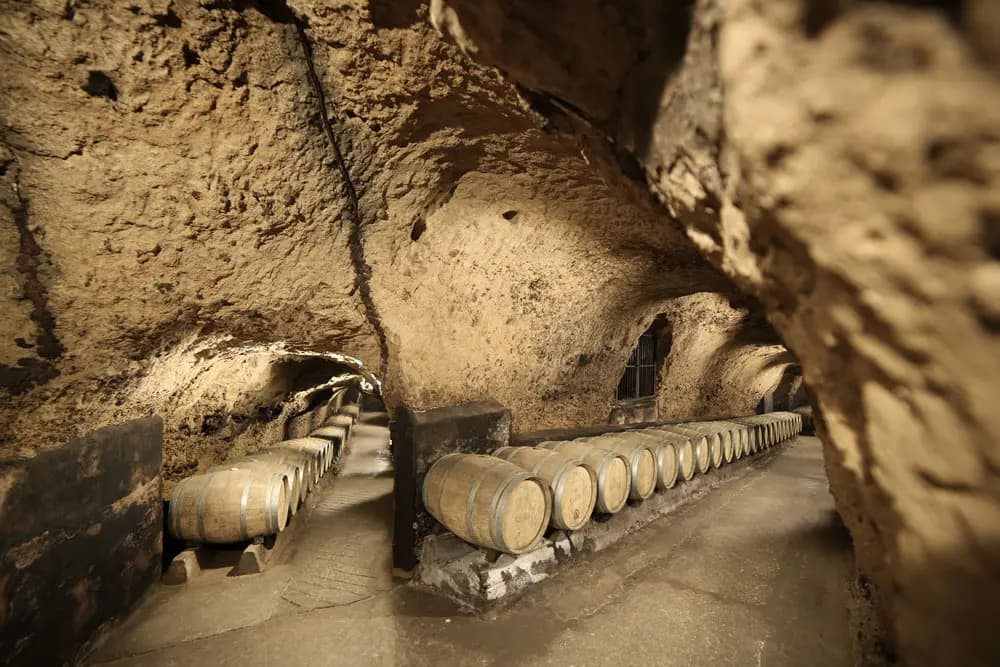
A historic Bekaa Valley winery known for its underground cellars and an introduction to Lebanese wine.
Read the Chateau Ksara guide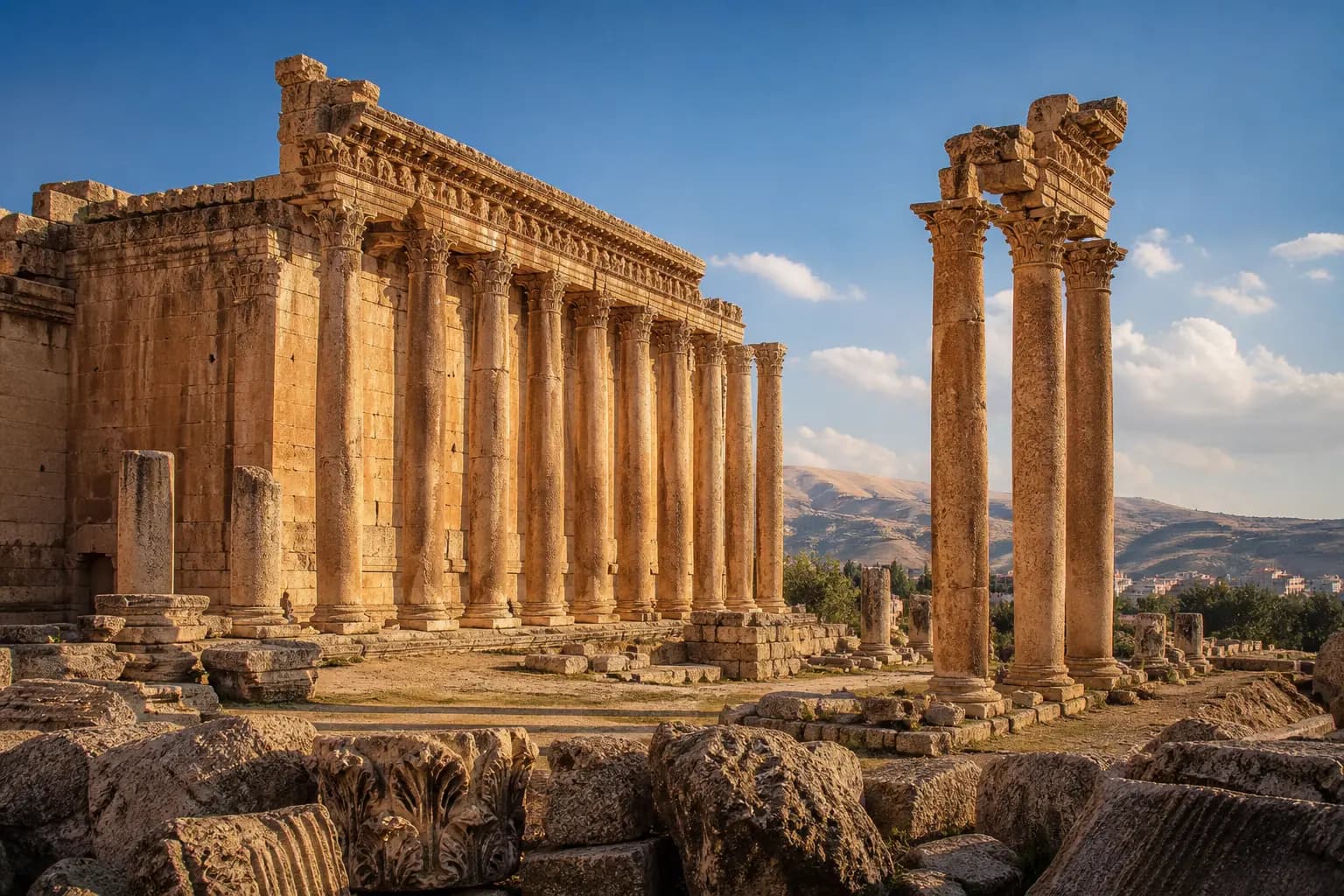 Attraction · Archaeology and history
One of the Roman world's most monumental sanctuary complexes, dominated by the temples of Jupiter and Bacchus.
Read the Baalbek Temples guidePlan your visit
Anjar is an unusually legible planned city from the Umayyad period and differs from Lebanon’s better-known Phoenician and Roman remains.
Only consider combining them when current official travel advice and local access permit both the sites and the route. It is a long day by car or organised excursion and needs generous traffic and daylight margins.